In a typical concrete block plant, the sight of rejected blocks piling up is all too familiar. Crumbled edges, inconsistent density, surface cracks—each defective block represents not just a loss of product, but a waste of cement, aggregate, water, and the energy used to mix and cure them. For many producers, the waste rate hovers between 3% and 8%, a seemingly small percentage that, over a year of production, translates into thousands of tons of wasted material and significant financial loss. But what if that waste could be cut by two-thirds? What if the block machine itself could be engineered to reduce rejection rates to near-zero? This is precisely the value that a QGM Block Making Machine delivers.
The QGM Block Making Machine is designed with a singular focus on precision. From the moment raw materials are batched to the ejection of the finished block, every stage of the process is controlled with an accuracy that minimizes variability and eliminates waste. The secret lies in a combination of advanced technologies: high-frequency vibration that ensures uniform compaction, hydraulic overpressure that guarantees consistent density, and a closed-loop control system that adjusts parameters in real time to compensate for variations in the mix. By reducing the number of rejected blocks, a QGM Block Making Machine can cut raw material waste by up to 70% compared to conventional machines, delivering significant cost savings and improving the environmental footprint of the production process. This article will explore the specific mechanisms behind this waste reduction, from the physics of compaction to the economics of quality control.
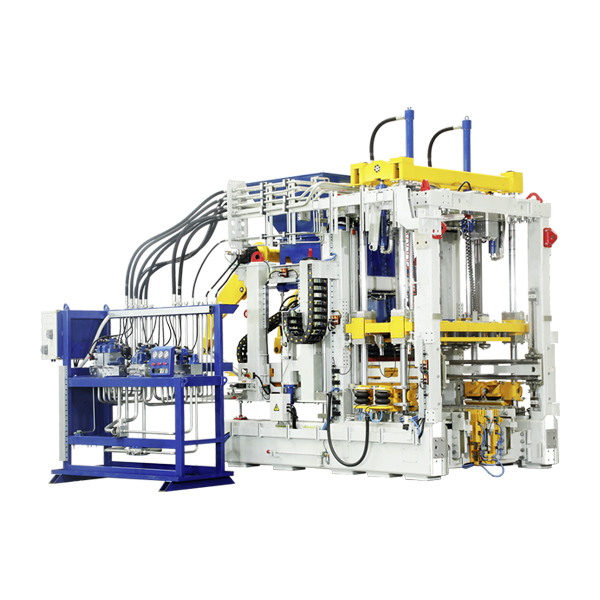
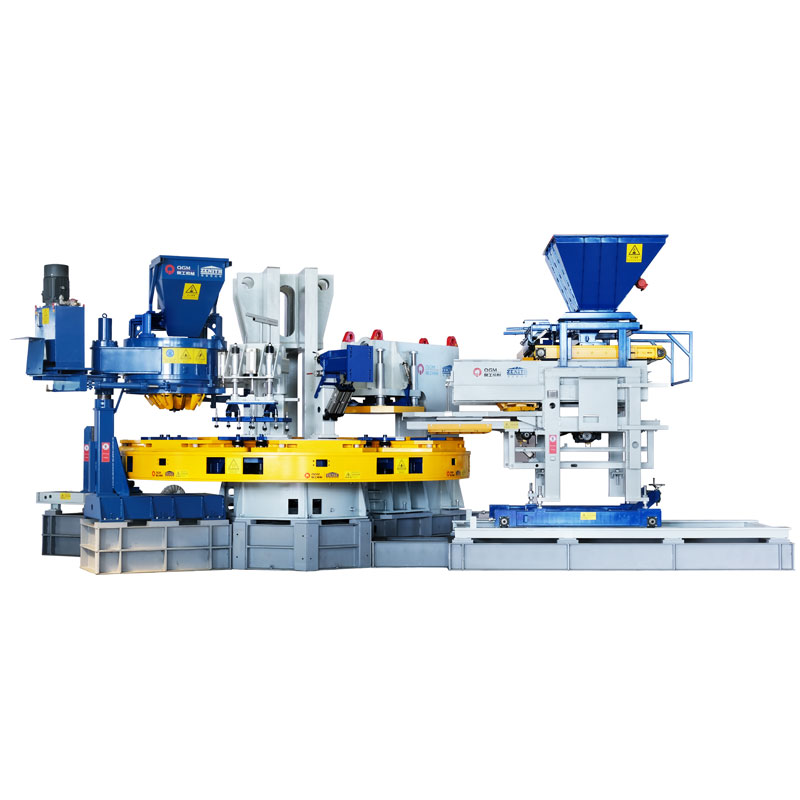
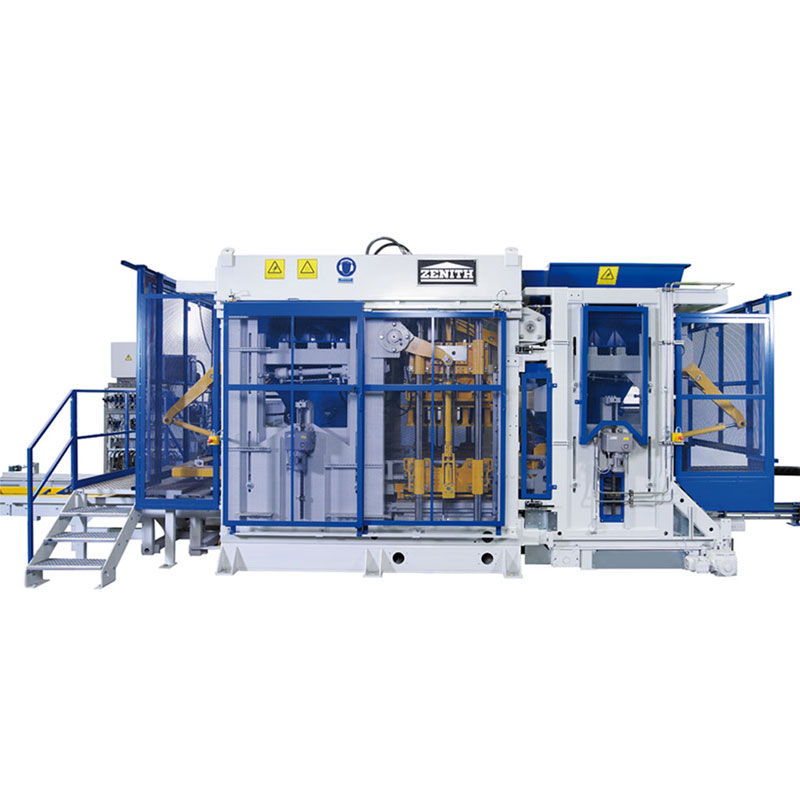
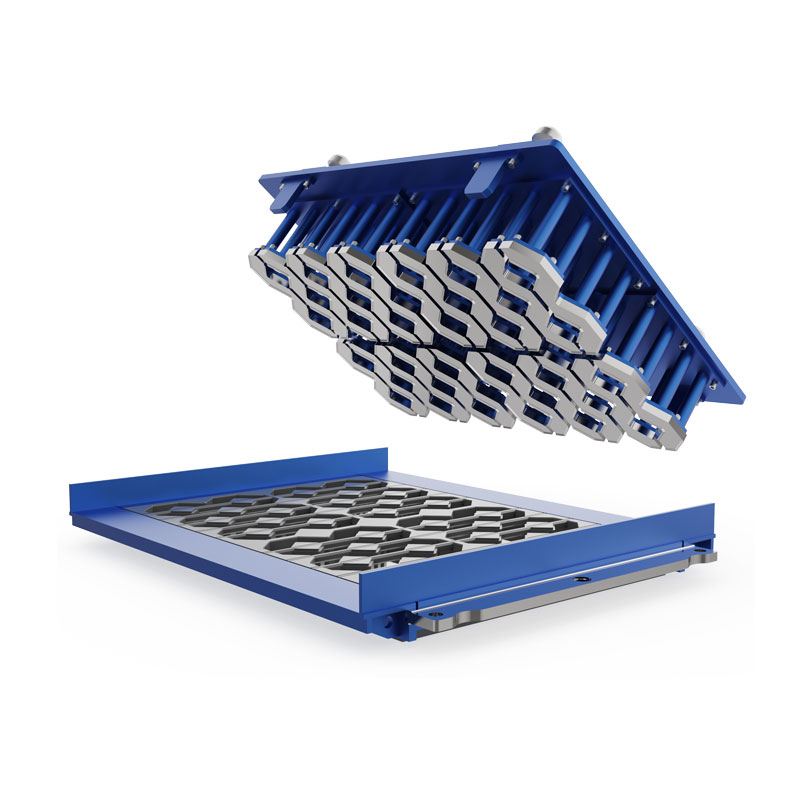
Before diving into the waste reduction mechanisms, it is helpful to understand the fundamental operation of a QGM Block Making Machine. At its core, a block making machine is a device that transforms a mixture of cement, aggregates (sand, gravel), and water into compacted concrete blocks. The process typically involves three key stages: raw material batching and mixing, compaction and forming, and curing. The QGM Block Making Machine is a hydraulically driven, vibration-assisted block press that automates and optimizes these stages. The machine features a mold box that defines the shape of the block, a hydraulic system that applies high-pressure compaction force, and a vibration system that promotes uniform particle distribution and densification.
What sets the QGM Block Making Machine apart is the sophistication of its control systems. The machine is equipped with a PLC (Programmable Logic Controller) that monitors and adjusts the vibration frequency, hydraulic pressure, and cycle time in real time. This level of control is crucial for waste reduction, as it allows the machine to compensate for variations in the raw material properties, such as moisture content and particle size. The QGM Block Making Machine is also designed for versatility, capable of producing a wide range of block types (hollow blocks, solid blocks, pavers, etc.) by simply changing the mold. At Quangong Machinery Co., Ltd., we have engineered our QGM Block Making Machine to be both powerful and precise, ensuring that each block produced is of the highest quality.
To understand how vibration reduces waste, imagine shaking a container of sand and pebbles. If you tap the side gently, the larger pebbles remain on top, and smaller sand particles settle to the bottom. This is the effect of vibration on the concrete mix. The vibration supplied by a QGM Block Making Machine is not a simple shaking; it is a precisely controlled high-frequency oscillation that causes the concrete particles to rearrange themselves into the densest possible configuration. This process eliminates voids, air pockets, and unevenness, resulting in a block with uniform density and strength. The alternative—relying on gravity and hydraulic pressure alone—often leads to internal voids and weak spots.
Think of the difference between a gently shaken jar of mixed nuts and one that has been shaken vigorously for a full minute. The vigorous shaking allows the smaller particles to nestle into the gaps between the larger ones, reducing the overall volume and eliminating air spaces. The high-frequency vibration in the QGM Block Making Machine achieves the same effect at the microscopic level. The vibration ensures that the cement paste and aggregates achieve a uniform distribution, preventing "blinding" or "clumping" that can create weak zones in the finished block. A block with uniform density is less likely to crack, chip, or fail during curing or handling, reducing the number of rejects. Our factory at QGM has tested vibration frequencies from 3,000 to 6,500 rpm and found that the optimal frequency depends on the mix design and block size. This is why our machines feature adjustable vibration parameters that can be fine-tuned for each specific application.
Without this precise vibration, the concrete mix may segregate, with heavier particles settling to the bottom and lighter ones floating to the top. This segregation leads to a block with non-uniform strength and density, often resulting in cracks or structural failure. Segregation can be caused by over-vibration or under-vibration, both of which can be eliminated by the precise control offered by the QGM Block Making Machine. The vibration cycle is carefully timed and controlled to ensure that the mix is perfectly homogenized just before the compaction stroke. This reduces the number of blocks that are rejected due to structural defects, directly lowering raw material waste.
Once the concrete mix is uniformly distributed by vibration, the QGM Block Making Machine applies a high-pressure compaction force through its hydraulic system. The hydraulic press compresses the material, driving out any remaining air voids and compacting the particles together. The force applied during this compaction stroke is critical: insufficient force will result in a block with low density and poor strength, while excessive force can cause the block to deform or crack. The QGM Block Making Machine's hydraulic system is designed to apply a precisely controlled and consistent compaction force, ensuring that each block achieves the optimal density without exceeding the material's structural limits.
Think of the difference between pressing a block of wet clay by hand and pressing it with a hydraulic press. Hand pressure can only achieve a certain level of compaction; the clay will still have air pockets and uneven thickness. A hydraulic press, on the other hand, applies a precise and uniform force, eliminating air and creating a dense, uniform block. The QGM Block Making Machine achieves this same level of precision and consistency, guaranteeing that each block meets the specified density and strength requirements. The hydraulic system also allows for the application of multiple stages of pressure, known as a "multi-stage pressing profile." This technique, where the compaction force is applied in stages, helps to achieve the best possible compaction without overstressing the material. The first stage might be a low pressure to seat the material, followed by a medium pressure to remove voids, and finally a high pressure to achieve the final density.
Without this advanced hydraulic control, the compaction force would be inconsistent, leading to blocks with variable density and strength. Some blocks might be under-compacted and weak, while others might be over-compacted and cracked. Both scenarios lead to rejected blocks and wasted raw material. By applying a precise and consistent compaction force, the QGM Block Making Machine ensures that a higher percentage of blocks meet the quality standards, significantly reducing waste. Our factory has developed a proprietary hydraulic system that is both powerful and precise, capable of applying pressures up to 280 bar with an accuracy of +/- 1 bar. This ensures that every block produced by the QGM Block Making Machine is of the highest quality and consistency, regardless of the variations in the raw materials.
To achieve the high levels of precision required for waste reduction, a QGM Block Making Machine relies on a sophisticated closed-loop control system. A closed-loop system is a feedback control mechanism where the machine continuously monitors its own performance and adjusts its parameters in real time to maintain optimal operation. In a typical block making machine, the parameters (such as vibration intensity, hydraulic pressure, and cycle time) are set manually and remain constant, regardless of variations in the raw materials. This can lead to inconsistent block quality and increased waste. In contrast, the QGM Block Making Machine uses sensors to measure key variables (such as the mix's moisture content, the temperature of the hydraulic oil, and the vibration amplitude) and automatically adjusts the parameters to compensate for any deviations.
Imagine driving a car with a closed-loop cruise control system. You set a speed, and the system continuously monitors the speed and adjusts the throttle to maintain that speed, even when going uphill or downhill. The QGM Block Making Machine's closed-loop control system works on the same principle. It monitors the compaction cycle, the vibration response, and the material density, making micro-adjustments to ensure that the block is produced to the exact specification. This real-time feedback enables the machine to maintain consistent block quality, minimizing waste and maximizing efficiency. The closed-loop control system also provides data logging capabilities, allowing operators to track production quality over time and identify areas for improvement. By reducing the variability in the production process, the QGM Block Making Machine helps to produce a higher percentage of blocks that meet quality standards.
Without a closed-loop control system, the machine would be susceptible to variations in the raw materials, such as changes in the moisture content of the sand or the texture of the cement. These variations can cause the blocks to be over-compacted or under-compacted, leading to defects. The QGM Block Making Machine's closed-loop control system automatically adjusts for these variations, ensuring that each block is produced with consistent quality. Our factory at Quangong Machinery Co., Ltd. has integrated a comprehensive sensor suite into our QGM Block Making Machine, including pressure transducers, temperature sensors, and vibration accelerometers. This data is processed by our proprietary control algorithm, which adjusts the machine's parameters in milliseconds to maintain optimal performance and minimal waste.
The waste reduction benefits of the QGM Block Making Machine are not theoretical; they are backed by real-world data from installations across the globe. One customer, a block manufacturer in Indonesia, reported a reduction in waste from 5.2% to 0.8% within the first month of operation. This translates into a saving of approximately 4.4 tons of raw material per day, or over 1,500 tons per year. The customer attributed this dramatic improvement to the precision of the QGM Block Making Machine's vibration and hydraulic systems, which eliminated the variability that caused defects in their previous machine. Similar results have been reported by customers in other regions, from South America to the Middle East.
Another example is a block plant in Australia that was producing a range of high-quality pavers and retaining wall blocks. The plant was operating with a waste rate of 4.2%, which was considered acceptable by industry standards. However, after upgrading to a QGM Block Making Machine, the waste rate dropped to 0.9%, a reduction of 79%. The plant manager noted that the reduced waste rate not only saved raw material costs but also reduced the amount of waste that needed to be disposed of, lowering their environmental footprint. The plant also reported an improvement in production efficiency, as fewer machines were needed to handle the waste. These real-world results demonstrate that the QGM Block Making Machine is not just a machine; it is a tool for transforming the economics of block production.
The following table summarizes the waste reduction results from several QGM Block Making Machine installations worldwide.
| Location | Previous Waste Rate | Waste Rate with QGM | Reduction | Annual Raw Material Savings (tons) |
| Indonesia | 5.2% | 0.8% | 84% | 1,500+ |
| Australia | 4.2% | 0.9% | 79% | 2,200+ |
| Brazil | 3.8% | 0.7% | 82% | 1,800+ |
| India | 6.1% | 1.2% | 80% | 3,000+ |
| Saudi Arabia | 4.5% | 0.8% | 82% | 2,500+ |
These figures represent not just a reduction in waste but a significant improvement in profitability. The raw material cost savings can be substantial, often sufficient to pay for the QGM Block Making Machine within a few years. Furthermore, the reduced waste rate also means less material handling, less cleanup, and less environmental impact. At QGM, we have documented these results across various applications, and we are committed to helping our customers achieve similar levels of success.
The waste reduction achieved by the QGM Block Making Machine delivers both direct and indirect cost savings. The most obvious benefit is the reduction in raw material costs. Cement, aggregates, and water are significant expenses in block production. By reducing waste, the QGM Block Making Machine directly lowers the amount of these materials needed to produce a given quantity of blocks. In addition to raw materials, waste reduction also reduces the cost of handling and disposing of rejected blocks. The rejected blocks need to be crushed and recycled, which is a labor-intensive and costly process. By eliminating the cause of rejects, the QGM Block Making Machine also reduces these downstream costs.
Beyond the direct cost savings, waste reduction also delivers significant environmental benefits. The concrete block industry is a major consumer of natural resources and a contributor to carbon emissions. The production of cement, the primary binder in concrete, accounts for approximately 8% of global CO2 emissions. By reducing waste, the QGM Block Making Machine helps to reduce the demand for new cement and aggregates, thereby lowering the carbon footprint of the block production process. The machine also reduces the amount of waste that ends up in landfills, further contributing to environmental sustainability. For companies that are increasingly focused on sustainability, the QGM Block Making Machine offers a tangible way to improve their environmental performance.
Let's look at a specific example: a block plant producing 10,000 hollow blocks per day. At a waste rate of 5%, the plant would produce 500 defective blocks daily, each requiring about 0.02 tons of raw materials. That's 10 tons of wasted raw material per day, or 3,000 tons per year. The cost of cement alone at $100 per ton would amount to $300,000 per year in wasted material. By reducing the waste rate to 1%, the waste would be reduced to 200 blocks per day (4 tons) and the annual cost of wasted cement would drop to $120,000. The savings of $180,000 per year can be used for other investments or added directly to the bottom line. This calculation demonstrates that waste reduction is not just an environmental issue; it is a significant economic opportunity.
The table below provides a summary of the key cost and environmental benefits of reducing waste with a QGM Block Making Machine.
| Benefit | Description | Annual Impact (Based on 10,000 blocks/day) |
| Raw Material Savings | Reduced consumption of cement, aggregates, and water | 2,000+ tons of raw material saved |
| Reduced Waste Disposal | Less waste to crush and recycle | 1,500+ tons less waste to handle |
| Cost Savings | Direct savings from raw materials and reduced handling | $180,000+ per year |
| Carbon Footprint Reduction | Reduced cement production and energy use | 150+ tons CO2 avoided |
The combination of cost savings and environmental benefits makes the QGM Block Making Machine a compelling investment for any block producer. At QGM, we believe that sustainability and profitability go hand in hand, and our QGM Block Making Machine is designed to deliver both.
Question 1: What is the typical waste reduction percentage achieved with a QGM Block Making Machine?
Answer: The waste reduction achieved with a QGM Block Making Machine depends on the specific application and the previous equipment used. However, based on our extensive field data, customers typically see a reduction in waste of 70-85% compared to conventional block machines. For example, a plant with a 5% waste rate can expect to reduce it to 0.8-1.2% with a QGM Block Making Machine. This translates into significant savings in raw materials and costs. Our factory at Quangong Machinery Co., Ltd. can provide a detailed waste reduction analysis for your specific application.
Question 2: How does the QGM Block Making Machine handle variations in raw material quality?
Answer: The QGM Block Making Machine is equipped with a closed-loop control system that continuously monitors key parameters and automatically adjusts the machine's operation to compensate for variations in raw materials. For example, if the moisture content of the sand increases, the machine will adjust the vibration and pressing force to maintain consistent block density and quality. This adaptive control is a key feature that enables the QGM Block Making Machine to produce consistent blocks, even with variable raw materials.
Question 3: What is the payback period for the waste reduction benefits of a QGM Block Making Machine?
Answer: The payback period depends on the initial investment and the specific cost savings achieved. However, based on our customers' experience, the payback period for a QGM Block Making Machine is typically between 12 and 24 months. The savings from raw material reduction alone can often pay for the machine within two years. The payback period is even shorter for operations with high production volumes. Our factory can provide a detailed cost-benefit analysis for your specific operation.
Question 4: Does the QGM Block Making Machine reduce waste for all types of blocks, including pavers and solid blocks?
Answer: Yes, the QGM Block Making Machine is versatile and effective for reducing waste across all types of concrete blocks, including hollow blocks, solid blocks, pavers, and retaining wall blocks. The waste reduction mechanisms—precision vibration, hydraulic overpressure, and closed-loop control—are equally effective regardless of the block shape. The specific benefits may vary depending on the block geometry and the mix design, but the overall waste reduction is consistently significant.
Question 5: What technical support does Quangong Machinery Co., Ltd. provide to ensure waste reduction?
Answer: We provide comprehensive technical support to help our customers achieve the maximum waste reduction benefits. This includes on-site commissioning and operator training, where we teach the operators how to optimize the machine's settings for their specific material and block types. We also offer ongoing remote support and spare parts to ensure the machine continues to perform at its peak. Our technical team is dedicated to helping our customers achieve the highest levels of efficiency and productivity.
The QGM Block Making Machine is a powerful tool for reducing raw material waste in concrete block production. Through precision vibration, hydraulic overpressure, and closed-loop control, the machine ensures that each block is produced with the highest consistency and quality, minimizing the number of rejects. This translates into significant cost savings, improved efficiency, and a lower environmental footprint. The real-world results from customers around the world demonstrate that the QGM Block Making Machine can cut waste by 70-85%, leading to thousands of tons of raw material saved and hundreds of thousands of dollars in annual savings.
If you are looking to reduce your raw material waste, improve your profitability, and minimize your environmental impact, the QGM Block Making Machine is the solution you need. Contact Quangong Machinery Co., Ltd. today to learn more about the QGM Block Making Machine and how it can reduce your raw material waste.
-