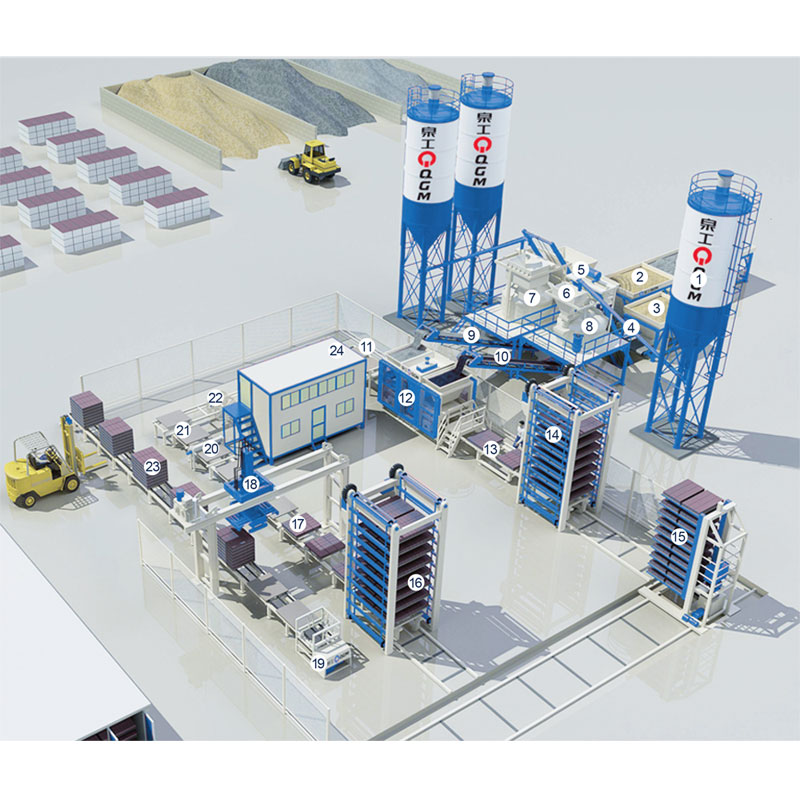
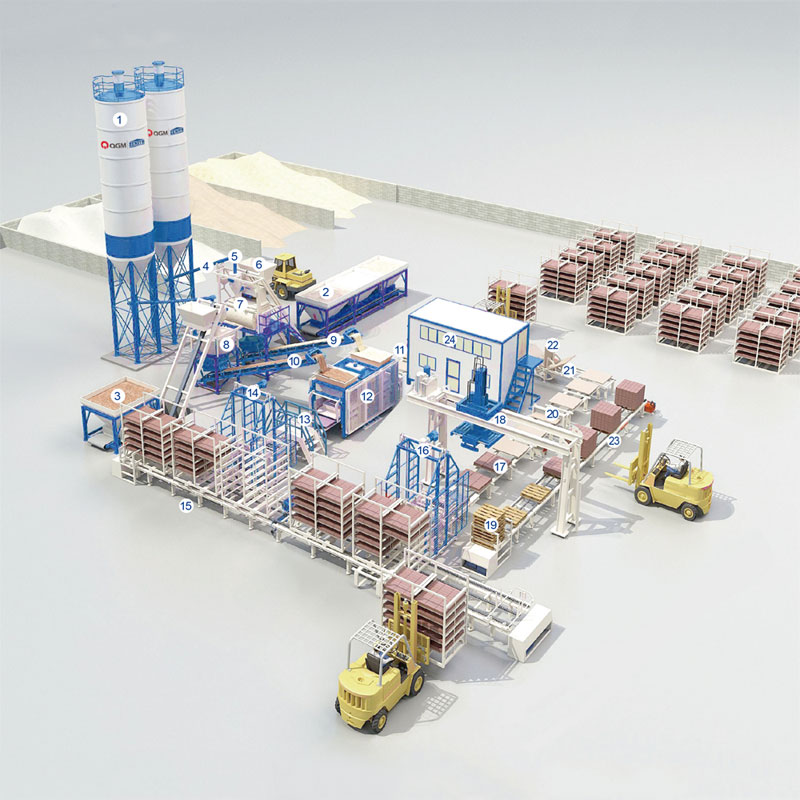
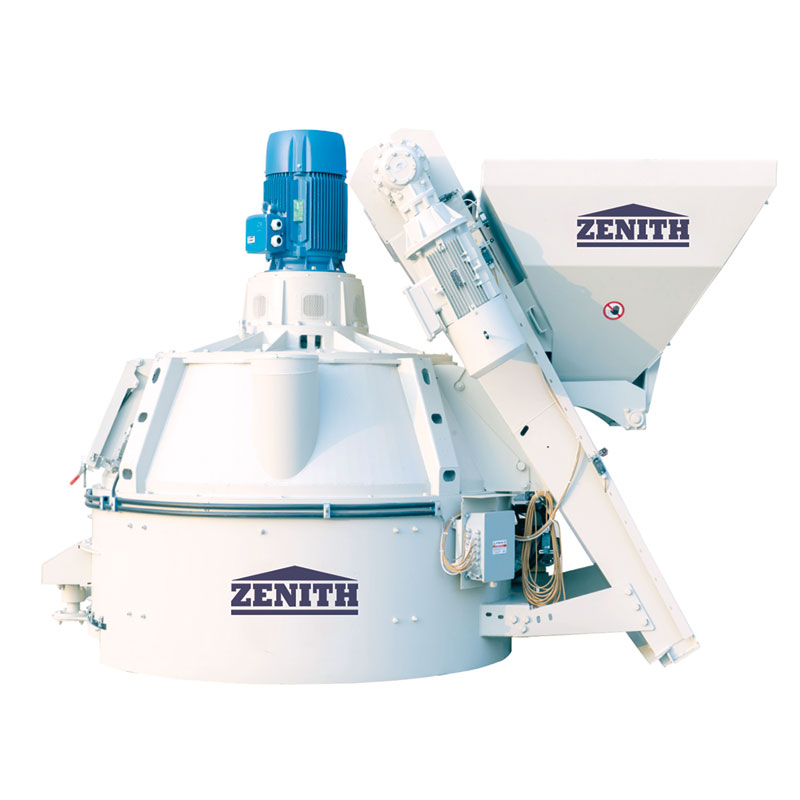
Selecting the correct production capacity for a block making machine is not merely about numbers; it directly determines your project timelines, operational costs, and long term profitability. After two decades in the heavy machinery sector, our factory has learned that mismatched capacity often leads to either idle equipment or missed deadlines. Whether you are producing hollow blocks, pavers, or kerbstones, understanding the precise output range that aligns with your demand cycle is the first step toward a sustainable concrete product business.
In this comprehensive guide, our team at Quangong Machinery Co., Ltd. breaks down the science behind capacity planning. We will explore how factors like mold design, curing systems, and shift schedules influence real world output. By the end of this article, you will know exactly how to evaluate the required production volume per hour and per shift. We will also present detailed technical parameters of the QGM Block Making Machine, ensuring you have the data needed to make an informed capital investment. Let us help you optimize your block yard.
Determining the right capacity involves analyzing multiple interdependent variables. Our factory has installed over a thousand units worldwide, and we consistently find that successful buyers consider five core elements before selecting a machine. Ignoring any of these often results in capacity that is either excessive or insufficient for market needs.
Beyond these fundamentals, regional market characteristics play a role. In developing economies, lower capacity manual machines may suffice, while automated high speed lines dominate mature markets. Our experience at Quangong Machinery Co., Ltd. shows that the ideal capacity is always 15 to 20 percent above current peak demand to accommodate growth, yet not so high that the machine runs below 60 percent utilization. This balance protects your return on investment and ensures the block making machine remains profitable over its lifespan.
Calculating required capacity is a four step process that transforms vague requirements into concrete specifications. Our factory uses this exact methodology when helping clients size their QGM Block Making Machine. Follow these steps to avoid under or over investing in production equipment.
Step 1: Determine Peak Daily Block Demand
Estimate the maximum number of blocks needed on your busiest day. Include safety margin for waste or rejected units. For example, a housing project requires 8,000 standard hollow blocks per day. Add 10 percent contingency = 8,800 blocks as target daily production.
Step 2: Calculate Available Operating Hours Per Day
Consider shift hours minus breaks and maintenance. A single 8 hour shift effectively provides 7 productive hours after cleaning and setup. For double shift, 14 productive hours. Using this: required hourly capacity = daily demand / productive hours. For 8,800 blocks over 7 hours = 1,257 blocks per hour minimum.
Step 3: Account for Block Type Conversion Factors
Machines are rated using a reference block (often 400x200x200mm hollow block). Producing solid blocks or smaller pavers changes output. Our QGM Block Making Machine typically produces 30 percent fewer solid blocks compared to hollow blocks due to higher material density and vibration time. Adjust your target accordingly.
Step 4: Include Downtime and Maintenance
Even robust machines require scheduled maintenance. A 5 percent downtime allowance is standard. Therefore, nominal capacity needed = calculated hourly capacity / (1 - downtime). Using our example: 1,257 / 0.95 = 1,323 blocks per hour required as machine rating.
We strongly advise using a capacity buffer for future expansion. Quangong Machinery Co., Ltd. offers modular upgrades on many models, allowing you to start with a base capacity and later add vibration units or automation. This phased approach protects cash flow while ensuring the block making machine grows with your business. To simplify, our sales engineers provide a customized capacity worksheet based on your local aggregate density and block geometry.
Not all blocks are created equal, and the capacity rating of a block making machine varies dramatically with product shape, size, and density. Our factory has produced specialized molds for over 200 block profiles, and we consistently observe that capacity can differ by a factor of three between the easiest and hardest block types. Understanding this variance prevents disappointment after purchase.
Therefore, when evaluating a block making machine, never rely solely on the maximum advertised capacity. Instead, request capacity tables for your specific block dimensions. Our team at Quangong Machinery Co., Ltd. provides free simulation reports that adjust capacity based on your raw materials and target block type. This transparency ensures that the QGM Block Making Machine you purchase delivers predictable daily output, eliminating costly guesswork from your production planning.
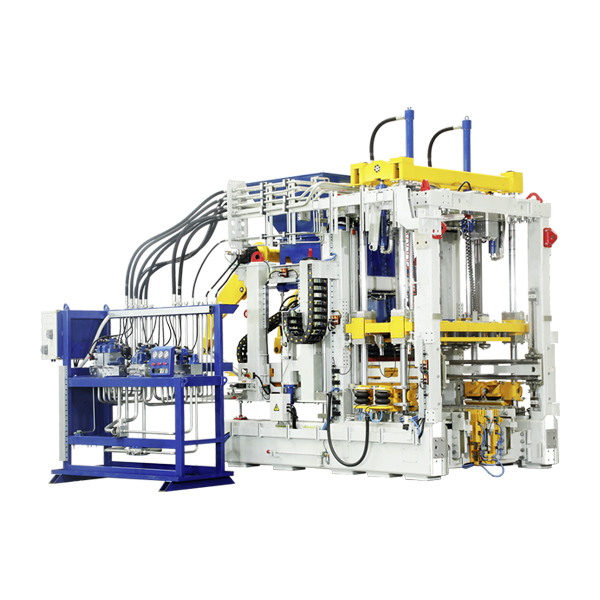
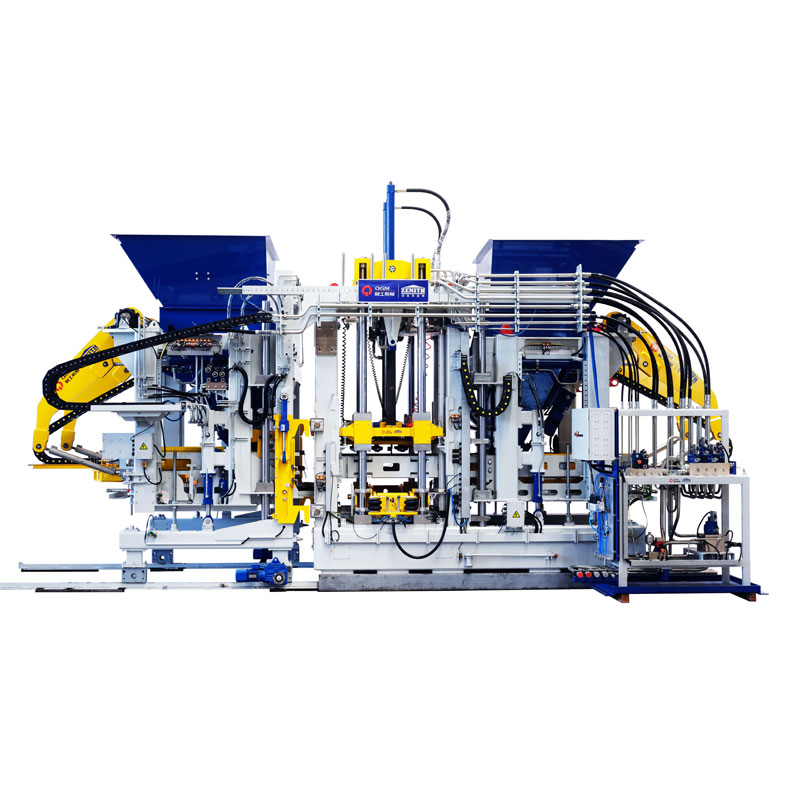
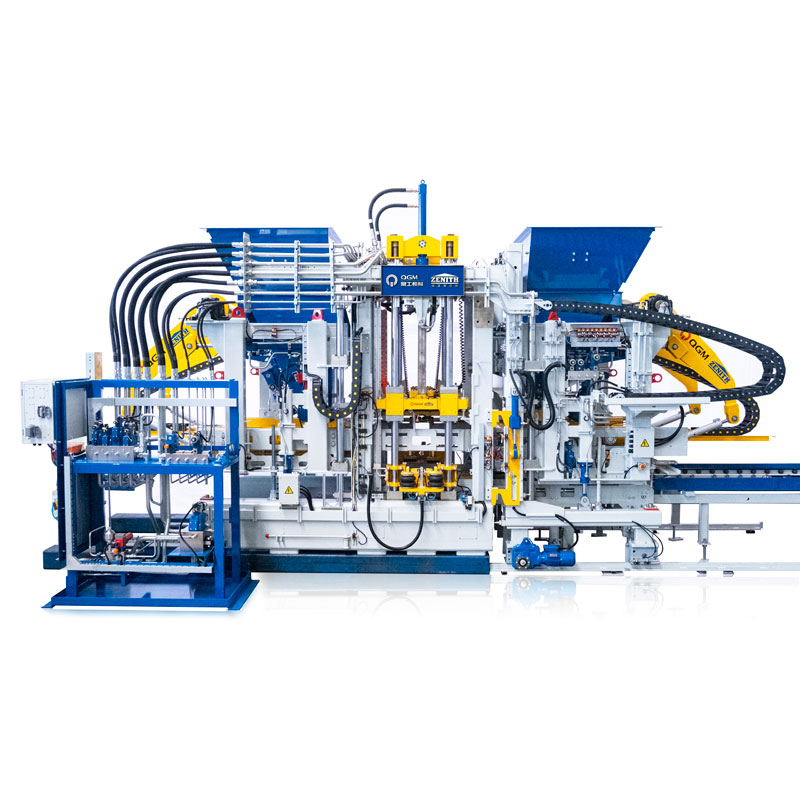
To make an accurate capacity decision, you need hard numbers. Below we present the technical specifications for three popular models of the QGM Block Making Machine, each designed for different production scales. These parameters reflect real world testing in our factory and validated by global customers of Zenith. Use this table to compare cycle times, pallet sizes, and block output per hour.
| Model | QGM-800 | QGM-1200 | QGM-1800 (High Speed) |
| Pallet Size (mm) | 850 x 550 | 1100 x 680 | 1400 x 780 |
| Cycle Time (seconds, hollow block 400x200) | 15 - 18 sec | 13 - 15 sec | 10 - 12 sec |
| Hollow Blocks per Cycle (cavities) | 4 pcs | 6 pcs | 8 pcs |
| Hourly Output (hollow blocks) | 800 - 960 | 1440 - 1660 | 2400 - 2880 |
| Solid Blocks per Hour (200x100x60) | 500 - 600 | 900 - 1100 | 1500 - 1800 |
| Pavers per Hour (200x100x60, 8 cavities) | 1400 - 1600 | 2400 - 2800 | 4000 - 4800 |
| Installed Power (kW) | 32 kW | 55 kW | 95 kW |
| Hydraulic Pressure (MPa) | 21 MPa | 21 MPa | 24 MPa |
As seen above, our QGM Block Making Machine series offers scalable solutions from small business entry level to industrial mass production. The QGM-800 is ideal for startups producing 8,000 blocks per day on a single shift. The QGM-1200, a favorite among mid sized contractors, delivers 15,000 blocks daily. For large infrastructure projects, the QGM-1800 can exceed 25,000 blocks per shift. Our factory also customizes hydraulic pressure and vibration frequency to maximize output for specific aggregates. Quangong Machinery Co., Ltd. provides on site commissioning to ensure the capacity matches your production targets within the first week of operation.
Additionally, all our machines feature energy saving servo motors that maintain high output while reducing electricity costs by up to 30 percent compared to traditional systems. When calculating your ROI, remember that higher capacity models often have lower cost per block. Our engineers recommend selecting a machine where the expected utilization is between 70 and 85 percent for optimal balance of investment and flexibility.
Determining how much production capacity a block making machine should have is ultimately a strategic business decision. After reviewing the factors, calculation methods, and technical tables above, it becomes clear that the correct answer balances current order volume, future growth, and product mix diversity. Our factory has witnessed too many companies buy either undersized machines that cause bottlenecks or oversized units that waste capital and floor space.
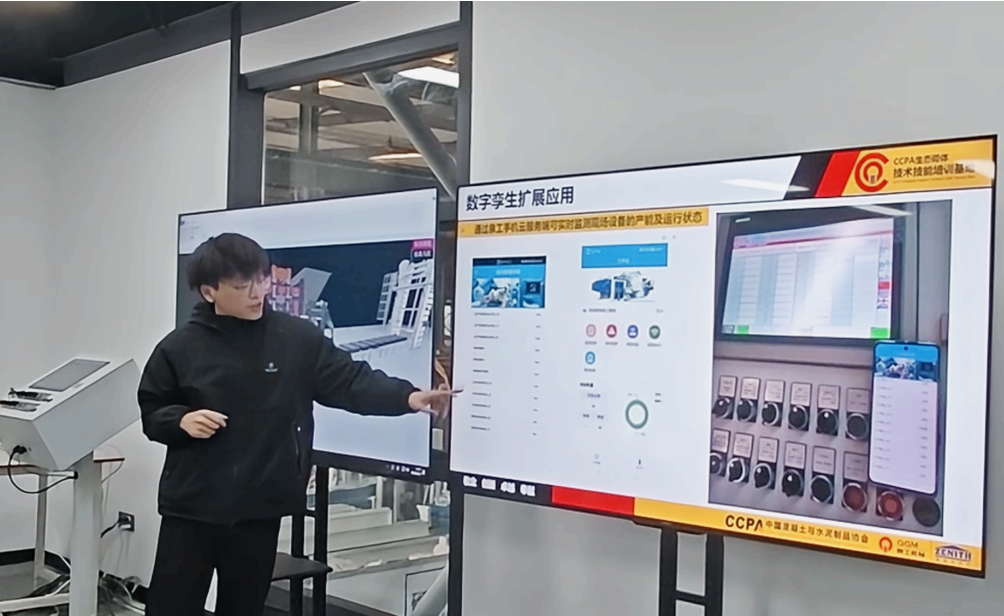
The sweet spot for most operations is a QGM Block Making Machine rated at 25 percent above your current peak demand, with modular upgrade paths. For example, if you need 10,000 blocks per day, choose a model capable of 12,500 blocks per day under similar conditions. This buffer handles seasonal spikes and reduces overtime costs. Quangong Machinery Co., Ltd. offers free capacity consulting where our team analyzes your local market and provides a customized production plan. We also provide remote monitoring systems that track real time output, helping you adjust parameters to maintain ideal capacity.
Ready to optimize your block production? Contact our factory today for a personalized capacity assessment. Request a free quote and technical drawing of the QGM Block Making Machine that matches your project scale. Our engineers will simulate your daily output using your local raw materials. Let us build a solution that maximizes your profitability from day one.
Question 1: What is the typical production capacity range for a small business block making machine?
Answer: For a small business or startup, the typical production capacity ranges from 3,000 to 8,000 standard hollow blocks (400x200x200mm) per 8 hour shift. Entry level QGM Block Making Machine models like the QGM-600 produce approximately 3,500 to 5,000 blocks daily, which is sufficient for residential projects or small scale real estate developments. Our factory recommends starting with a machine in this range to minimize initial investment while allowing for single shift operation. As demand grows, you can add a second shift or upgrade to a medium capacity unit. Quangong Machinery Co., Ltd. offers flexible financing for small business owners to step up capacity gradually without overextending capital.
Question 2: How does raw material moisture content affect the hourly output of a block making machine?
Answer: Moisture content significantly impacts cycle times and block quality, thereby altering effective production capacity. Optimal moisture (usually between 6 to 8 percent for concrete) allows faster vibration and compaction, increasing output by up to 15 percent. Excess moisture (above 10 percent) causes sticking to molds and longer cleaning pauses, reducing capacity by 20 to 30 percent. Conversely, dry mixes require extended vibration to achieve density, lowering hourly output by 10 to 15 percent. Our factory recommends using moisture sensors in your batching plant to maintain consistency. The QGM Block Making Machine includes advanced control systems that adjust vibration frequency based on real time material feedback, stabilizing capacity even when raw material varies. Quangong Machinery Co., Ltd. provides moisture calibration training with every machine purchase.
Question 3: Can I increase my block making machine capacity by reducing curing time?
Answer: No, reducing curing time does not increase the machine’s gross production capacity; it only affects inventory turnover. The block making machine’s hourly output is determined by cycle time and mold cavities, independent of curing. However, insufficient curing creates a downstream bottleneck because uncured blocks cannot be stacked or shipped. To truly increase effective capacity, you need faster curing methods such as low pressure steam curing or accelerators. Our factory designs integrated systems where the QGM Block Making Machine pairs with accelerated curing chambers, allowing three production cycles per day instead of two. Quangong Machinery Co., Ltd. offers complete curing solutions that can double your effective weekly output without changing the machine itself.
Question 4: What is the difference between theoretical capacity and actual sustained capacity of a block machine?
Answer: Theoretical capacity is the maximum output under ideal laboratory conditions with perfect raw materials, no breaks, and optimal operator skill. For example, a machine may claim 2,000 blocks per hour theoretically. Actual sustained capacity, measured over an 8 hour shift, typically ranges from 65 to 80 percent of theoretical due to material variations, mold cleaning, operator fatigue, and minor adjustments. Our factory tests each QGM Block Making Machine to provide both figures. A reputable manufacturer like Quangong Machinery Co., Ltd. will guarantee a sustained capacity that accounts for real world factors. We recommend using sustained capacity (around 75 percent of theoretical) for production planning. Our sales engineers provide certified sustained output charts for your specific block type to ensure accurate expectations.
Question 5: How does pallet size and quality affect the production capacity of a QGM Block Making Machine?
Answer: Pallet dimensions directly determine how many cavities fit in each cycle. Larger pallets allow more blocks per cycle, raising output without increasing cycle time. For instance, a QGM Block Making Machine using 1100x680mm pallets holds six hollow blocks per cycle, while a 1400x780mm pallet holds eight, boosting capacity by 33 percent. Pallet quality also matters: warped or worn pallets cause misfeeds and stoppages, reducing effective capacity by up to 20 percent. Our factory manufactures high precision steel pallets that maintain flatness after thousands of cycles. Quangong Machinery Co., Ltd. offers a pallet optimization service where we recalculate your machine’s capacity by redesigning the mold layout on existing pallets. Upgrading to premium pallets is one of the most cost effective ways to increase hourly output without purchasing a new machine.
-