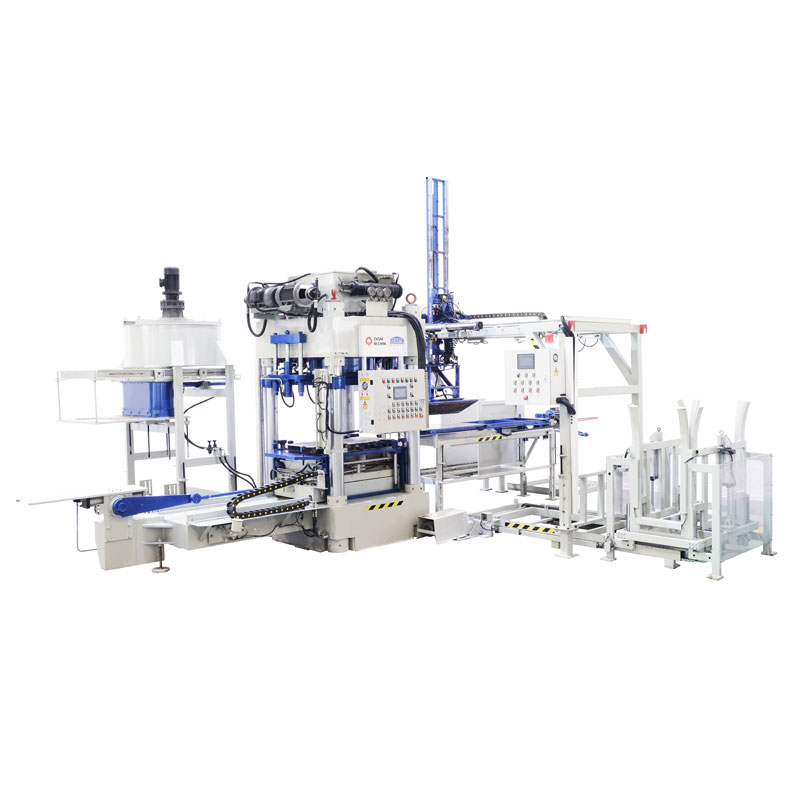
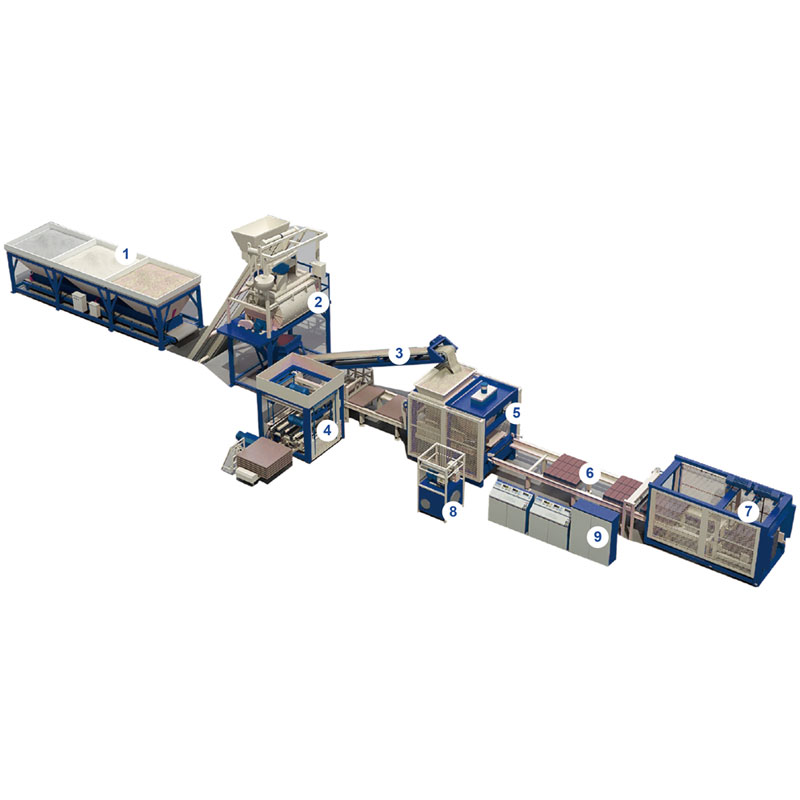
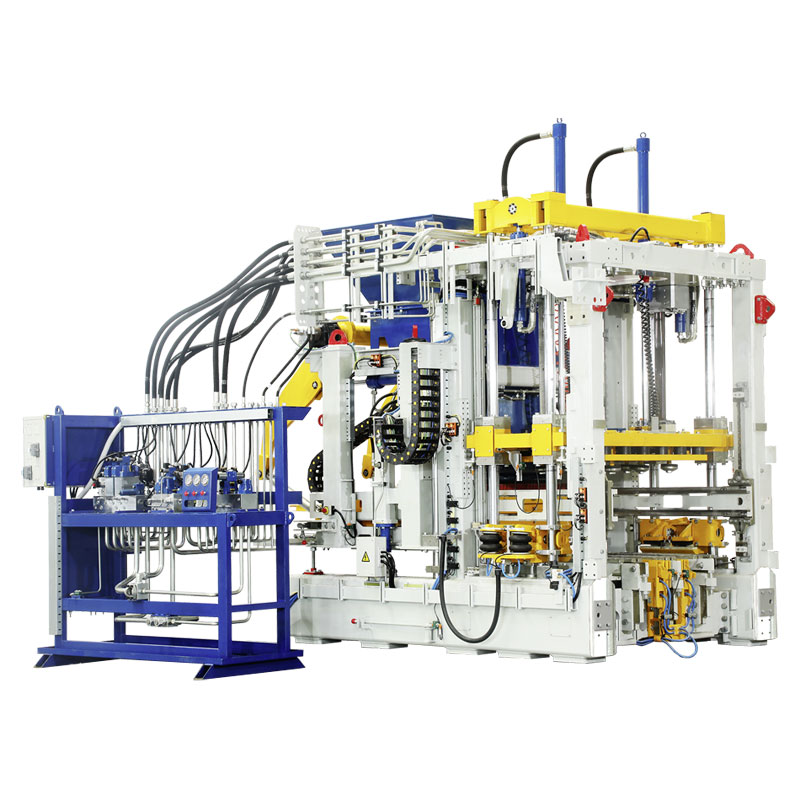
Selecting the correct block making machine is the single most impactful decision for your construction business's productivity and bottom line. With decades in this industry, our factory has witnessed how the right equipment can transform an operation. A machine that aligns with your raw material availability, production targets, and end-product quality determines whether you scale efficiently or struggle with downtime. The answer to the title question lies in understanding your specific concrete product needs—from hollow blocks to pavers—and matching them with robust engineering.
At Quangong Machinery Co., Ltd., we have engineered QGM Block Making Machines to solve these exact challenges. Whether you are a startup or an established contractor, our machines offer modular flexibility. This guide will walk you through the technical parameters, capacity considerations, and long-term value factors that matter. We will also share insights from our factory floor, ensuring you invest in a solution that delivers consistent, high-density blocks for years.
Why Does the Right Block Making Machine Define Your Construction Business Success?
In construction, the quality of your blocks directly impacts structural integrity and your reputation. A subpar machine produces uneven blocks, leading to higher mortar usage and potential project rejections. Conversely, a precision-engineered machine from our factory ensures uniform compaction and dimensional accuracy. Over the last two decades, our team has seen companies double their profitability simply by upgrading to a modern QGM Block Making Machine. The reason is simple: advanced vibration technology and hydraulic systems reduce raw material waste and increase production speed.
Beyond product quality, the right machine minimizes downtime. When you choose a machine built with heavy-duty components—like those from Quangong Machinery Co., Ltd.—you reduce maintenance intervals. Our factory designs every QGM Block Making Machine with replaceable wear parts and centralized lubrication, ensuring your line keeps running during peak seasons. Below are key business impacts:
Operational cost: Energy-efficient motors and optimized mixers lower electricity consumption per block.
Labor efficiency: Automated stacking and pallet handling reduce manual labor needs by up to 60%.
Product versatility: Quick mold change systems allow you to switch from solid blocks to interlocking pavers in under an hour.
ROI timeline: High-output machines (like our 1500 series) often recoup investment within 18 months.
Compliance: Machines that meet international vibration standards produce blocks that pass construction code tests.
To summarize, the right machine acts as a profit center, not a cost center. By focusing on total cost of ownership rather than initial price, you align your equipment with growth. In the next section, we break down the exact parameters you must evaluate.
What Technical Parameters Should You Scrutinize Before Buying?
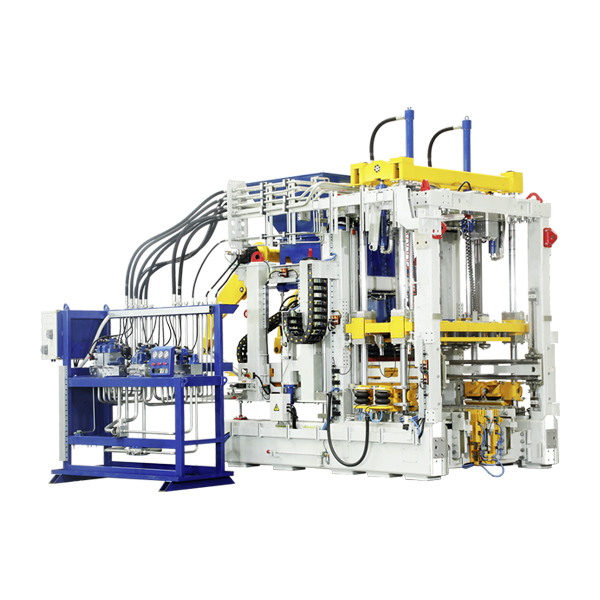
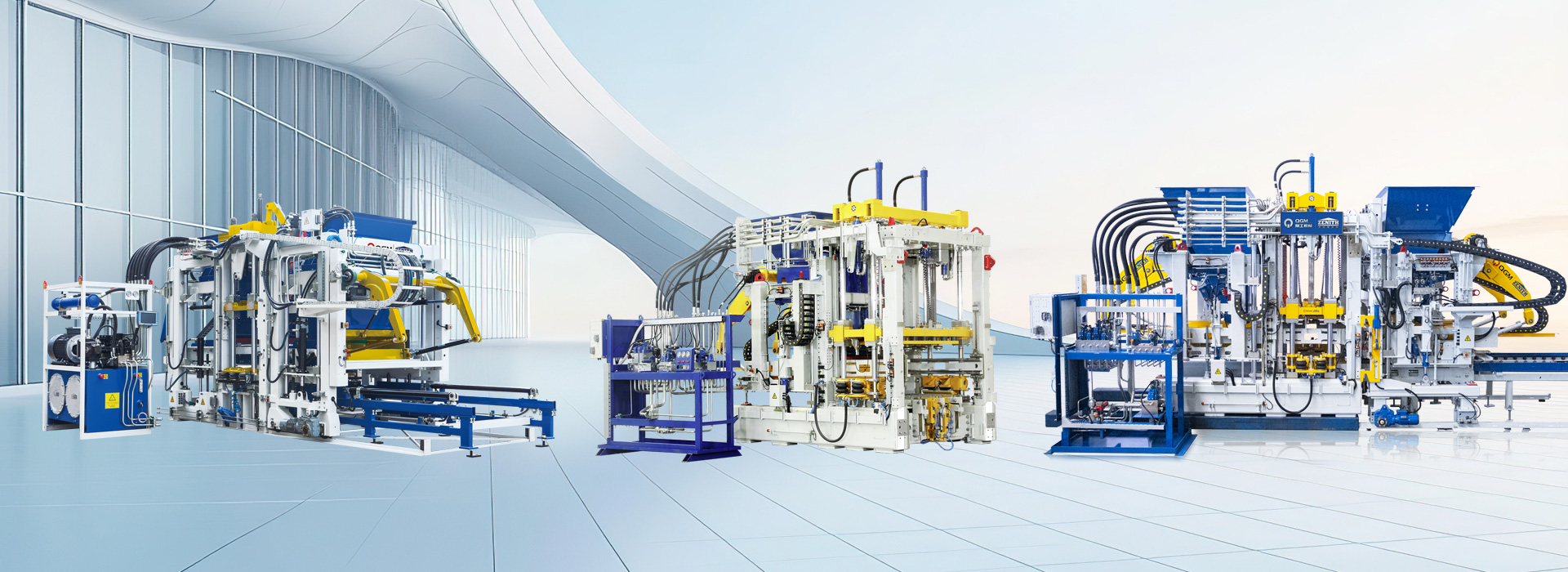
Engineers and procurement managers often focus on cycle time, but our experience shows that a holistic view of machine specifications prevents costly mismatches. When you examine a QGM Block Making Machine, you need to assess vibration frequency, pressing force, and mold accuracy. Our factory publishes detailed spec sheets because we believe in transparency. Below is a comparison table of three popular models from Quangong Machinery Co., Ltd., highlighting critical parameters for a typical mid-to-large construction business.
Model
Vibration Frequency
Max. Pressing Force
Cycle Time (hollow block)
Installed Power
Pallet Size
QGM-1000
2800–3200 rpm
150 kN
18–22 seconds
65 kW
1000 x 600 mm
QGM-1500
3000–3600 rpm
220 kN
15–18 seconds
95 kW
1200 x 700 mm
QGM-2000
3200–3800 rpm
300 kN
12–15 seconds
130 kW
1400 x 800 mm
Table 1: Core parameters of select QGM Block Making Machine models.
Key considerations when reviewing such data:
Vibration Frequency & Amplitude: Higher frequencies with adjustable amplitude ensure dense blocks even with lower cement content. Our factory's machines use synchronized vibration for uniform compaction.
Pressing Force: This determines the green strength of the block. For multi-layer production, higher force (like 300 kN) allows immediate de-palletizing.
Cycle Time: Look at real-world cycle times including material feeding and block ejection—not just theoretical max.
Power Consumption: Compare total installed power versus output per hour; energy efficiency is where our designs excel.
Automation Level: From PLC interfaces to remote diagnostics, modern machines reduce error.
Always request a factory test video. At Zenith, we encourage clients to visit our facility or view live streams of production runs to validate these numbers.
How to Align Machine Output With Your Current and Future Order Volume?
One common mistake is overbuying capacity, which ties up capital and increases idle time. Another is underestimating growth, leading to bottlenecks. With our 20 years of experience, we recommend a two-step analysis: calculate your baseline daily requirement, then add a 25–40% buffer for peak months. For instance, if you need 5,000 hollow blocks per day, a QGM Block Making Machine with a nominal capacity of 7,000 blocks per shift ensures you never fall behind. Our factory offers scalable solutions—you can start with a semi-automatic line and later integrate full automation.
To help visualize output matching, consider the following production scenarios based on actual installations by Quangong Machinery Co., Ltd.:
Small contractor (1,000–2,500 blocks/day): QGM-800 model, manual feeding, single shift. Ideal for housing projects.
Mid-size developer (5,000–10,000 blocks/day): QGM-1500 with automatic pallet return. Handles diverse products like kerbstones.
Large infrastructure firm (15,000+ blocks/day): QGM-2000 twin-line configuration, fully automated stacking. Our factory has delivered such lines for airport projects.
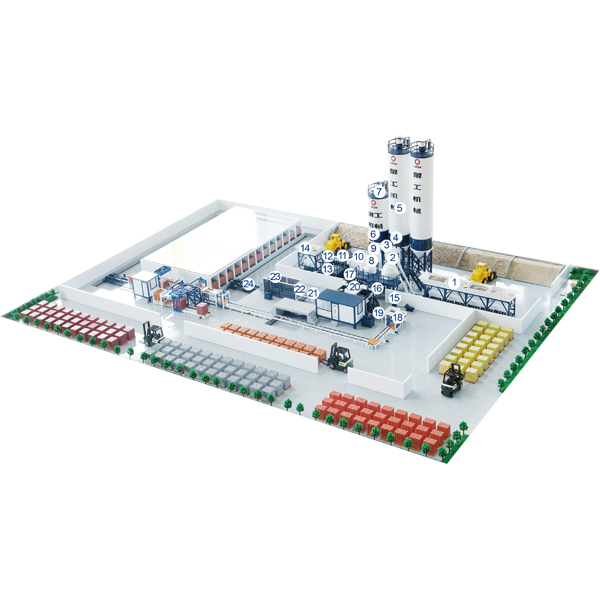
Beyond raw output, consider raw material logistics. A machine that consumes 300 kg of aggregate per cycle requires a steady supply chain. Our designs incorporate large hoppers to buffer against short interruptions. Additionally, we provide silo integration plans as part of the consultation. Remember, the right machine grows with you—via modular upgrades that our factory supports.
Summary: Your Blueprint for the Ideal Block Making Machine
Choosing the right block making machine boils down to matching technical specs with business reality. Focus on vibration technology, pressing force, and automation level—not just the price tag. Trust proven manufacturers like Quangong Machinery Co., Ltd., whose QGM Block Making Machines are backed by two decades of field data. Our factory’s commitment to after-sales support, including spare parts availability and training, ensures your investment remains productive.
Ready to scale your construction business? Contact our team today for a personalized consultation and machine parameter analysis. We'll help you select the model that delivers the highest ROI. Request a Quote
Frequently Asked Questions: How to Choose the Right Block Making Machine for Your Construction Business?
1. What is the most important technical feature to look for in a block making machine?
The most critical feature is the vibration system. A machine with high-frequency, variable-force vibration ensures that the concrete mix is densely compacted, resulting in blocks with superior strength and dimensional accuracy. At our factory, we utilize dual-shaft synchronised vibration that mimics a true "floating" effect, eliminating voids. This directly impacts the block's load-bearing capacity and water absorption rate. Always check if the machine allows independent control of frequency and amplitude to adapt to different mix designs.
2. How do I calculate the production capacity I need for my construction projects?
Start by analyzing your average daily order volume over the past year, then factor in your most demanding month. For example, if your peak demand is 8,000 blocks per day, you need a machine that can produce at least 10,000 blocks per day to allow for maintenance and mold changes. Consider using a machine from Quangong Machinery Co., Ltd. that offers a "nominal capacity" rating based on 8-hour shifts with standard mix. Our technical sheets provide realistic figures, not just theoretical maximums, ensuring you don't under-specify.
3. Can a single block making machine produce different types of blocks (e.g., hollow, solid, paver)?
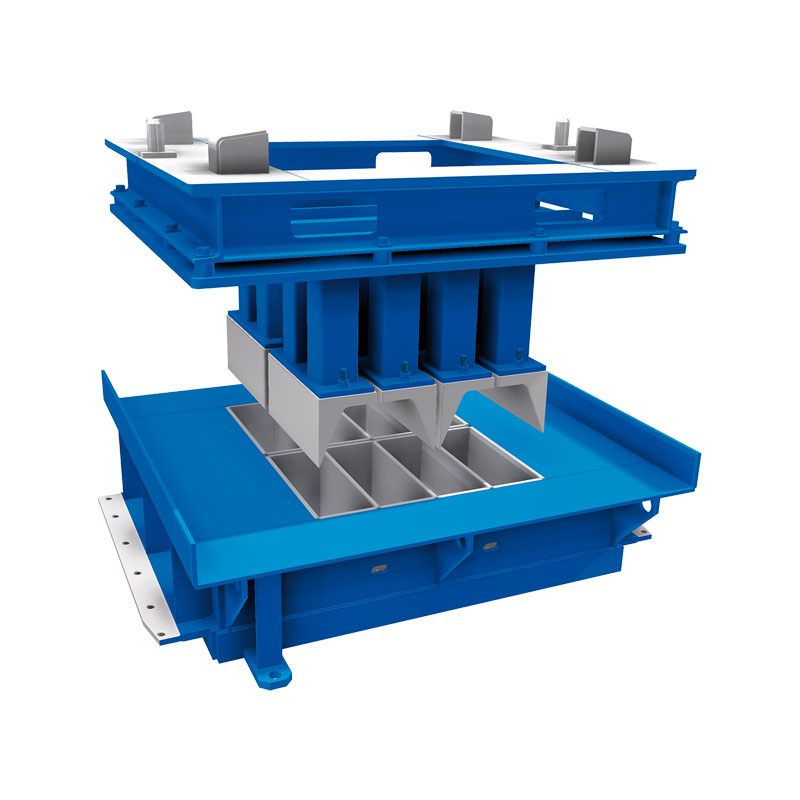
Yes, modern machines are designed for versatility. The key is the mold changing system. Look for a machine with a rapid mold clamping mechanism and adjustable pressing head. Our QGM Block Making Machine models feature a "quick-change" mold table that allows operators to swap molds within 30 minutes without special tools. Additionally, the hydraulic pressure can be fine-tuned per product type—lower for pavers, higher for dense solid blocks. This flexibility enables you to diversify your product line without investing in multiple dedicated machines.
4. What kind of after-sales support and spare parts availability should I expect?
A reputable manufacturer like Quangong Machinery Co., Ltd. offers comprehensive support including installation supervision, operator training, and a dedicated parts warehouse. We recommend asking for a list of regional service centers and the average response time for spare parts. Our factory maintains a 98% availability rate for wear parts (like liners and bearings) and ships them within 48 hours to most locations. Also, verify if remote diagnostics are available—many QGM machines now have IoT modules for predictive maintenance alerts.
5. How does raw material quality in my region affect the machine choice?
Local aggregate size and moisture content heavily influence machine configuration. If you use river sand with high moisture, you need a machine with a forced mixer and adjustable water dosing system. For areas with harder crushed stone, the machine's pressing force and mold steel hardness become paramount. Our engineers at Quangong Machinery Co., Ltd. always request material samples before finalizing a machine design. We then customize the wear parts and vibration parameters to suit your local aggregates, ensuring block integrity and minimizing equipment stress.
We use cookies to offer you a better browsing experience, analyze site traffic and personalize content. By using this site, you agree to our use of cookies.
Privacy Policy