Quangong Machinery Co., Ltd.
News

How Block Machines Support Sustainable Housing Projects?

2026-04-21 0 Leave me a message

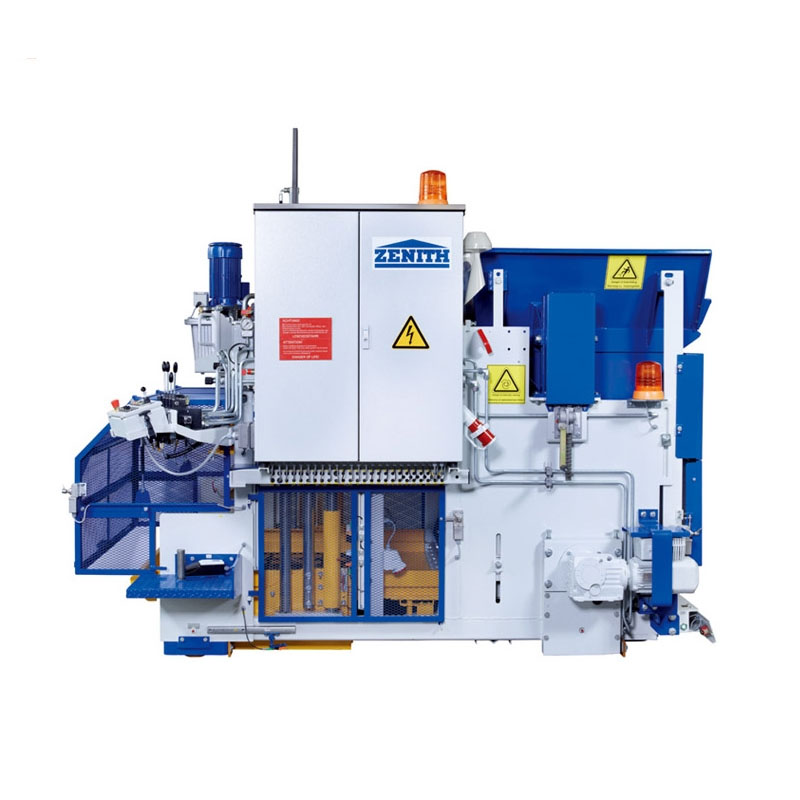
In an era where climate resilience and resource efficiency define modern construction, sustainable housing is no longer an option but a necessity. Block machines serve as the silent workhorses behind eco-friendly settlements, transforming raw materials into precision-engineered building components with minimal waste. By enabling the use of recycled aggregates, reducing carbon footprints through local production, and optimizing energy consumption during manufacturing, advanced block machines directly address the core pillars of sustainable development. At Quangong Machinery Co., Ltd., we have witnessed how the right equipment turns low-impact materials into durable, affordable housing—without compromising structural integrity.

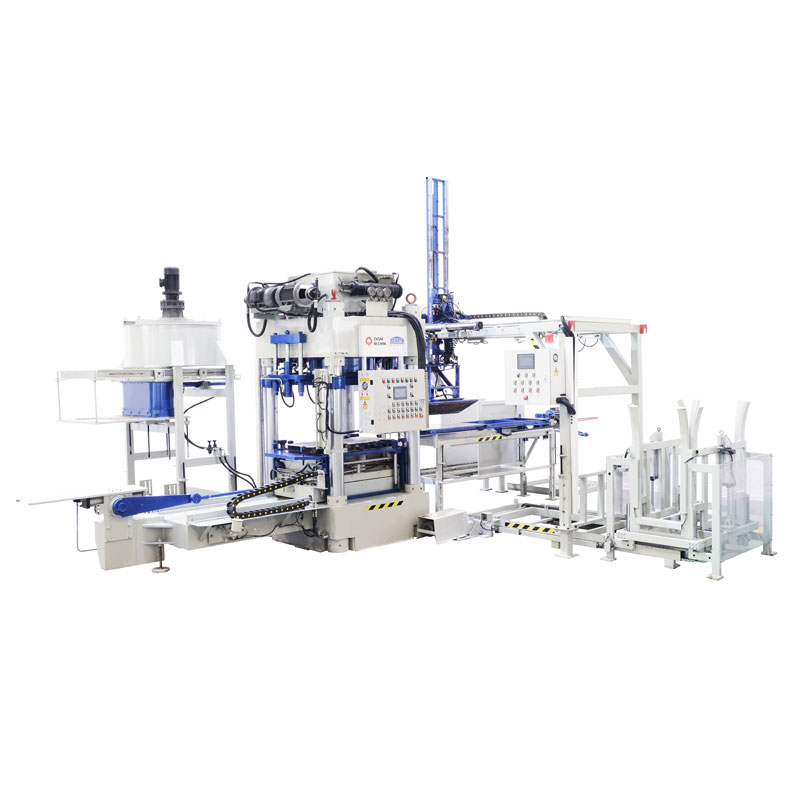
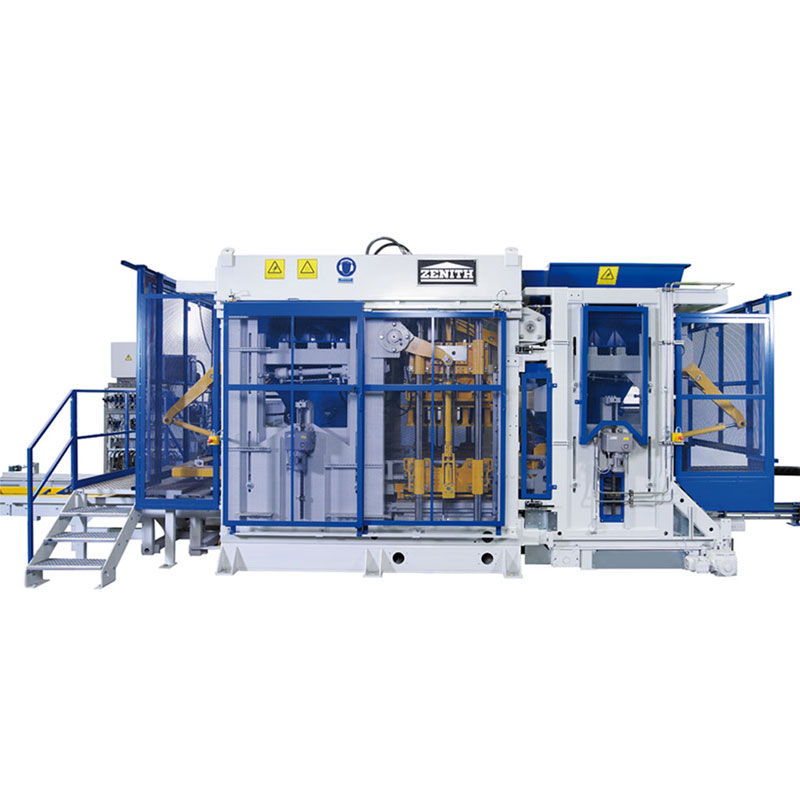
Our decades of experience demonstrate that the pathway to green housing lies in automation and material versatility. The QGM block making machine series exemplifies this shift: it produces high-density blocks that require less mortar, insulate better, and last longer than conventional alternatives. From disaster-resilient communities to off-grid eco-villages, these machines empower builders to lower embodied carbon while meeting rigorous safety standards. This article unpacks the technical and environmental synergies, providing actionable insights for developers, contractors, and policymakers aiming to scale sustainable housing projects globally.


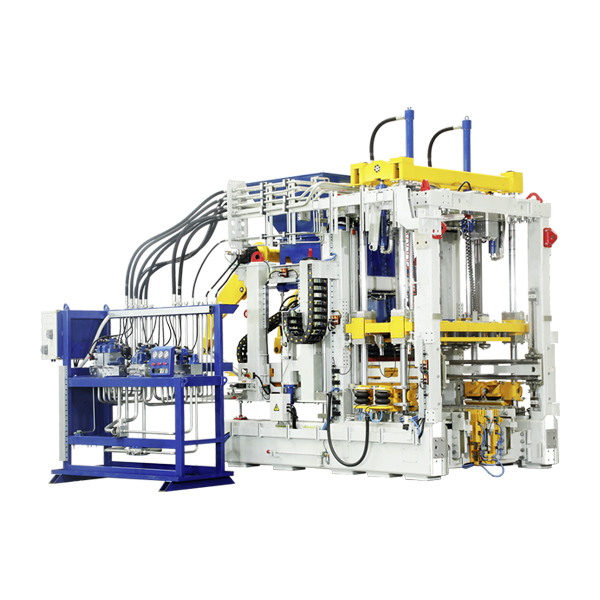
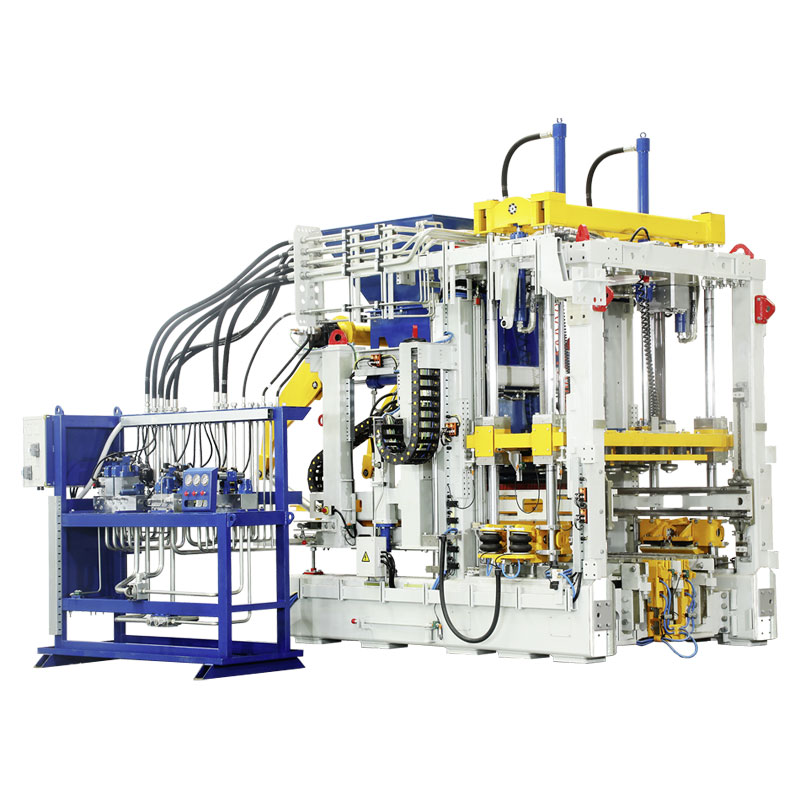
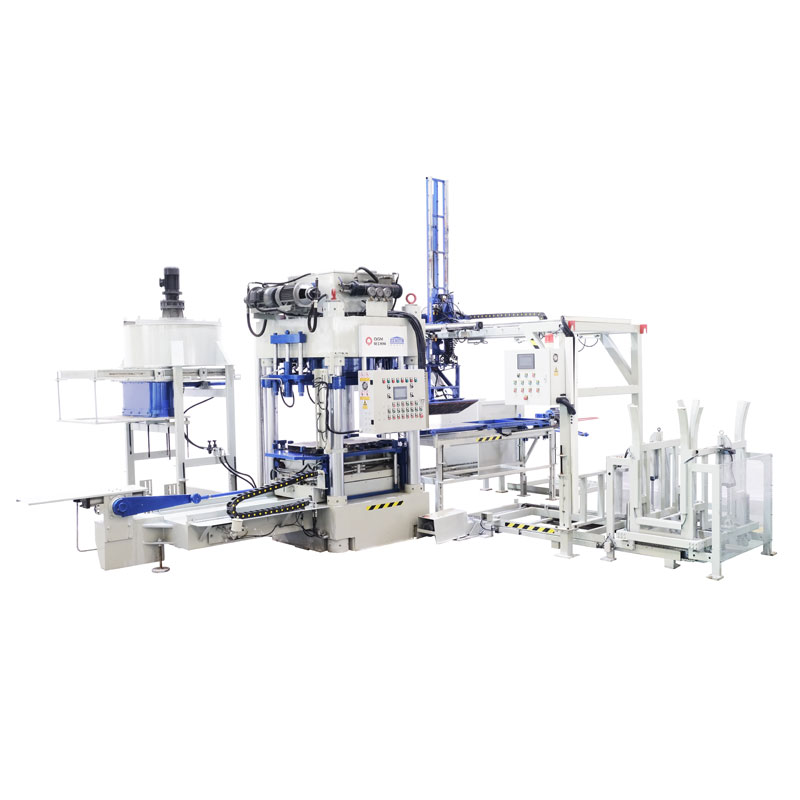
ZN1200-2C Concrete Block Machine


Table of Contents


What Specific Features Make Block Machines Essential for Green Building?

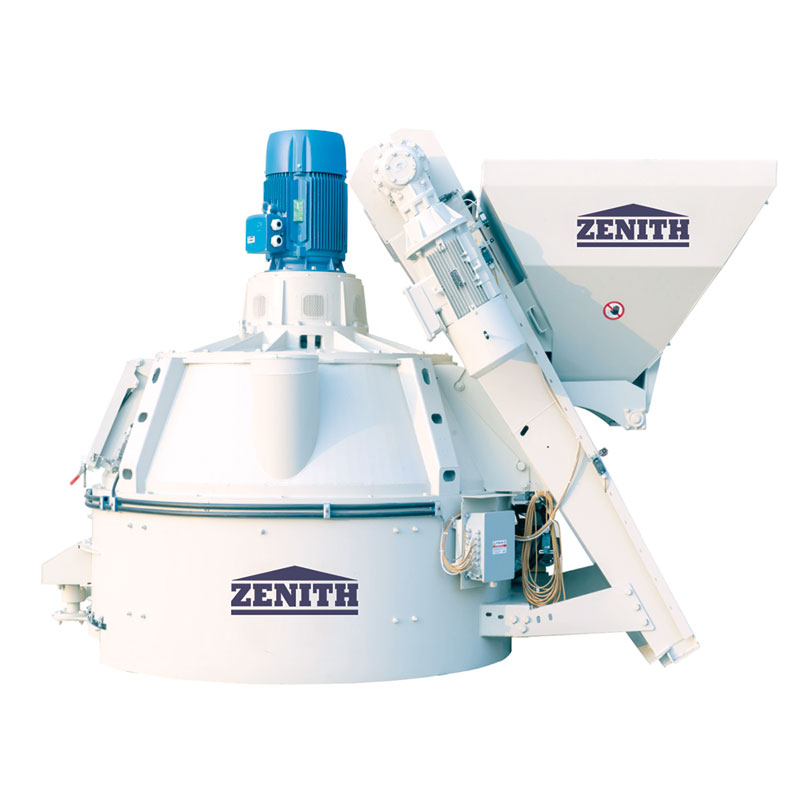
Sustainable housing projects demand materials that are locally sourced, durable, and energy-efficient throughout their lifecycle. Block machines designed for eco-conscious production go beyond basic compression molding. They incorporate advanced vibration systems, adaptive control logic, and multi-material feeding mechanisms that allow the use of industrial byproducts like fly ash, slag, and recycled concrete aggregates. This adaptability reduces reliance on virgin raw materials and lowers the overall environmental impact of each housing unit. At Quangong Machinery Co., Ltd., our engineering team has refined these features over two decades, ensuring that every QGM block making machine delivers maximum sustainability without sacrificing output speed.

Key functional attributes that drive sustainability include:

  • Hydraulic pressure precision: Uniform compaction reduces cement content by up to 15% while maintaining compressive strength above 15 MPa.
  • Closed-loop water recycling: Integrated systems capture and reuse process water, cutting freshwater consumption by 90% compared to conventional machines.
  • Variable frequency drive (VFD): Our factory equips each unit with energy-optimized motors that consume 25% less electricity per block.
  • Quick mold change systems: Enable production of interlocking blocks, hollow blocks, and pavers from a single platform, reducing mold storage and material waste.
  • Smart curing chambers: Optional climate-controlled curing reduces moisture loss and prevents cracks, lowering rejection rates below 2%.

Beyond hardware, software integration plays a crucial role. Our QGM block making machine includes a production management dashboard that tracks real-time material consumption, energy usage, and carbon emission estimates. This data allows project managers to certify green building credits such as LEED or BREEAM. Additionally, the machines support the use of geopolymer binders—an emerging alternative to Portland cement—without retrofitting. For housing projects in remote areas, the portability of our modular designs means that on-site production eliminates transportation emissions. In a recent project in Southeast Asia, a single unit produced 12,000 blocks daily, enough for five complete houses, using 40% recycled demolition waste. Such figures prove that the right block machine is not just a manufacturing tool but a cornerstone of regenerative construction.


Why Does Quangong Machinery Co., Ltd. Prioritize Energy Efficiency in Block Production?

Energy consumption in block manufacturing directly correlates with operational costs and carbon footprint. For sustainable housing to be truly scalable, the production phase must minimize grid dependency and maximize renewable integration. Quangong Machinery Co., Ltd. has embedded energy efficiency into every stage of our design philosophy. Our factory utilizes lean manufacturing protocols, but more importantly, the block machines we produce incorporate regenerative braking, low-friction hydraulics, and standby power modes that slash idle consumption. In many developing regions where housing demand is highest, unstable electricity grids pose a challenge; our machines can run on solar-hybrid systems or biodiesel generators without performance loss.

Consider these energy-saving breakthroughs found in our QGM block making machine series:

  • Regenerative hydraulic system: Recovers energy during the decompression phase, feeding it back to the accumulator. This reduces total energy draw by 18-22% per cycle.
  • High-efficiency vibration motors: Our patented eccentric weights achieve optimal compaction at lower frequencies, saving 30% energy compared to industry averages.
  • Smart start-stop sequence: Sensors detect material flow and automatically activate only necessary subsystems, avoiding parasitic losses.
  • Thermal insulation on hydraulic tanks: Maintains oil viscosity without auxiliary heaters, especially in cold climates, further lowering electricity use.
  • Energy monitoring portal: Our clients receive real-time kWh-per-block metrics, enabling continuous optimization and benchmarking against sustainability targets.

From a lifecycle perspective, energy-efficient block production also reduces the need for carbon offsets. A typical housing project using our machines emits 0.8 kg CO2 per square meter of wall area—less than half of conventional cast-in-place concrete walls. Additionally, the precision of our QGM block making machine means blocks are dimensionally accurate to ±0.5 mm, eliminating the need for cutting and grinding on-site. This not only saves energy but also reduces noise pollution and dust. Our commitment to energy efficiency extends to after-sales support: we train local operators on optimal cycle timings and preventive maintenance, ensuring that sustainability persists for the machine’s 15+ year lifespan. For governments and NGOs funding affordable housing, these energy savings translate directly into more houses per grant dollar, making Quangong Machinery Co., Ltd. a trusted partner in global development programs.


How Can Our QGM Block Making Machine Reduce Construction Waste by Over 30%?

Construction and demolition waste accounts for nearly 40% of global solid waste, with block and brick offcuts being a significant contributor. Traditional block production often results in inconsistent dimensions, breakage during demolding, and excess mortar due to uneven surfaces. Our QGM block making machine directly tackles each of these waste streams through intelligent design and process control. By integrating real-time compaction feedback and high-precision mold guidance, we ensure that every block meets strict geometric tolerances. The result: fewer rejects, less mortar usage, and the ability to incorporate reclaimed materials into the mix.

Here are the specific mechanisms through which our machines achieve waste reduction:

  • Zero-edge trimming: The molding cavity produces clean edges without flashing, so no post-production cutting is required.
  • Reject recycling loop: A dedicated crusher attachment allows imperfect green blocks to be fed back into the mixer, achieving 100% material utilization.
  • Just-in-time dosing: Our volumetric dosing system reduces overfilling of molds, cutting raw material waste by 8% compared to volumetric screw feeders.
  • Interlocking block profiles: These designs eliminate mortar for certain wall sections, reducing total cement and sand consumption by 25-30% per house.
  • Pallet-free stacking option: Some configurations produce blocks that self-stack during curing, eliminating wooden pallet waste and associated forestry impact.

To quantify the impact, our factory conducted a six-month trial with a housing cooperative in East Africa. Using a QGM block making machine, the cooperative produced 500,000 blocks with a reject rate of only 1.2% (industry average is 5-8%). Additionally, the precision of the blocks allowed masons to reduce mortar joint thickness from 12 mm to 6 mm, saving 34 tons of cement. Over the course of building 200 housing units, this translated to a 37% reduction in material waste by weight. Furthermore, because our machines can process crushed construction debris as aggregate, the project diverted 150 tons of local landfill waste into new blocks. This circular approach aligns perfectly with the principles of sustainable housing: waste becomes feedstock, and the block machine becomes a tool for urban mining. Quangong Machinery Co., Ltd. provides detailed mix design guides to help clients maximize recycled content while maintaining structural safety—proving that environmental responsibility and engineering excellence go hand in hand.


Which Technical Parameters Define a High-Performance Sustainable Block Machine?

Selecting the right block machine for sustainable housing requires scrutiny of technical specifications that directly impact resource efficiency, durability, and operational footprint. The most relevant parameters go beyond simple production rates; they include energy density, raw material flexibility, and maintenance intervals. Below is a detailed table of our flagship QGM block making machine model (QF Series), which has been optimized for green building projects. These data points reflect our continuous innovation at Quangong Machinery Co., Ltd., and they serve as a benchmark for comparing sustainable equipment in the market.

Parameter Value / Range Sustainability Benefit
Cycle time (standard block 400x200x200 mm) 12 – 15 seconds High throughput reduces energy per block; lower idle time
Vibration frequency 2800 – 4500 rpm (variable) Optimized for low-cement mixes; reduces binder requirement
Hydraulic pressure 21 MPa (adjustable up to 25 MPa) Enables use of recycled aggregates without strength loss
Installed power (main motor) 37 kW (IE4 efficiency class) 30% lower energy consumption than IE2 motors
Water recycling rate Up to 95% closed-loop Drastically reduces freshwater withdrawal
Raw material types supported Crushed stone, recycled concrete, fly ash, slag, geopolymer precursors Diverts waste from landfills; lower carbon binder options
Noise level at 3m ≤ 78 dB(A) Worker safety and community-friendly operation
Block dimensional tolerance ±0.5 mm Reduces mortar waste by up to 40%
Hydraulic oil volume 180 L (biodegradable oil compatible) Leak prevention and eco-friendly servicing
Control system PLC with remote diagnostics Predictive maintenance reduces downtime and spare parts waste

Beyond these specifications, our QGM block making machine includes modular add-ons such as a solar-compatible power interface and a dust extraction system that captures 99% of particulates. The machine footprint is compact (5.8m x 2.6m x 2.9m), allowing installation in peri-urban sites without extensive land clearing. Our factory also provides a lifecycle assessment tool that calculates carbon savings based on local energy mixes and material sources. For housing developers, these parameters translate into predictable operational expenses and eligibility for green financing. When we combine high compaction pressure (21 MPa) with fast cycle times, the result is a machine that produces 2,400 blocks per hour using only 37 kWh—substantially lower than competing models that require 55+ kWh for the same output. Therefore, understanding these technical details is not just an engineering exercise; it is the foundation of profitable and sustainable housing at scale.


Summary: Integrating Block Machines into Circular Housing Economies

The evidence is clear: modern block machines, particularly those engineered by Quangong Machinery Co., Ltd., are indispensable for sustainable housing projects. They enable the use of secondary raw materials, dramatically cut energy and water consumption, and produce precision components that minimize construction waste. Throughout this article, we have detailed how our QGM block making machine achieves waste reduction over 30%, lowers carbon emissions per house, and offers technical parameters that align with green building certifications. By adopting these machines, developers can transition from linear “take-make-dispose” models to circular systems where housing construction actively regenerates local ecosystems. Our factory remains committed to continuous improvement, offering training, spare parts, and remote support to ensure that each machine operates at peak sustainability for decades. In summary, the question is no longer whether block machines support sustainable housing—they are the answer. The real challenge is choosing a partner with proven expertise and transparent technology. We invite you to explore how our solutions can transform your next housing project.


Frequently Asked Questions: How Block Machines Support Sustainable Housing Projects?

1. Can block machines really reduce the carbon footprint of low-cost housing?

Yes, significantly. A block machine like those from Quangong Machinery Co., Ltd. cuts carbon emissions by enabling on-site production using local recycled materials, eliminating long-distance transport of conventional bricks. Our QGM block making machine consumes up to 30% less electricity per block than conventional models, and when paired with fly ash or slag, it reduces cement-related CO2 by 40%. For a 100-house project, this can save over 150 tons of CO2 equivalent compared to fired clay bricks.

2. What types of sustainable materials can be processed by a QGM block making machine?

Our machines handle a wide spectrum: recycled concrete aggregate, crushed construction waste, fly ash from power plants, granulated blast furnace slag, quarry dust, and even agricultural residues like rice husk ash (when mixed with binders). The hydraulic and vibration systems of our QGM block making machine adjust automatically to material density variations, ensuring consistent block strength. This flexibility allows housing projects to source materials within a 15 km radius, drastically cutting transport emissions.

3. Do sustainable blocks made by these machines meet international building codes?

Absolutely. Blocks produced by our QGM block making machine routinely achieve compressive strengths between 7.5 MPa and 25 MPa, satisfying ASTM, EN, and ISO standards for load-bearing walls. Our factory conducts internal tests and provides mix design certificates. Moreover, the dimensional accuracy ( ±0.5 mm) ensures compliance with seismic and thermal regulations. Many sustainable housing projects financed by the World Bank and UN-Habitat mandate the use of such machine-made blocks due to their reliability and traceability.

4. How does the water recycling feature in Quangong block machines support drought-prone regions?

In arid or semi-arid zones, water scarcity is a major barrier to construction. Our QGM block making machine integrates a closed-loop filtration and sedimentation system that captures water from mold spraying, cleaning, and hydraulic cooling. This water is reused repeatedly, with only 5% lost to evaporation. For a typical housing development of 50 units, this saves over 300,000 liters of fresh water compared to traditional block yards. This feature has been critical in projects across Sub-Saharan Africa and the Middle East, where Quangong Machinery Co., Ltd. has delivered water-positive construction solutions.

5. Can a single block machine support multiple housing typologies (e.g., single-story, multi-family, emergency shelters)?

Yes, versatility is a core design principle. Our QGM block making machine accepts quick-change molds that produce interlocking blocks for rapid assembly, hollow blocks for insulation, solid blocks for load-bearing walls, and pavers for site access. A single machine can switch between these profiles in under 20 minutes. This allows housing projects to adapt to varying density requirements without investing in multiple machines. For example, our factory recently supplied a machine to a Philippine resettlement project that produced blocks for 200 single-family homes, then reconfigured to make larger units for a school and clinic—all from the same platform.


🚀 Ready to transform your next housing project with sustainable block production? Contact Quangong Machinery Co., Ltd. today to request a customized feasibility study, live demo of our QGM block making machine, or a quote tailored to your regional materials. Our factory experts are available for virtual site assessments and operator training programs. Join the global network of developers who are building greener, stronger, and more affordable communities.

Related News
Leave me a message
X
We use cookies to offer you a better browsing experience, analyze site traffic and personalize content. By using this site, you agree to our use of cookies. Privacy Policy
Reject Accept