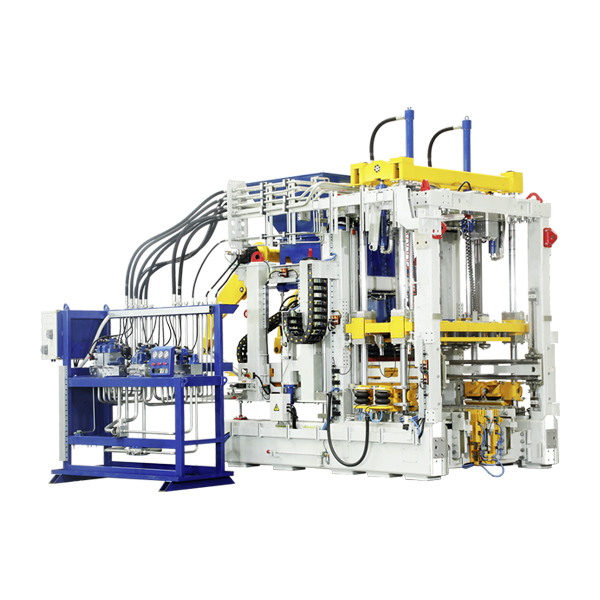
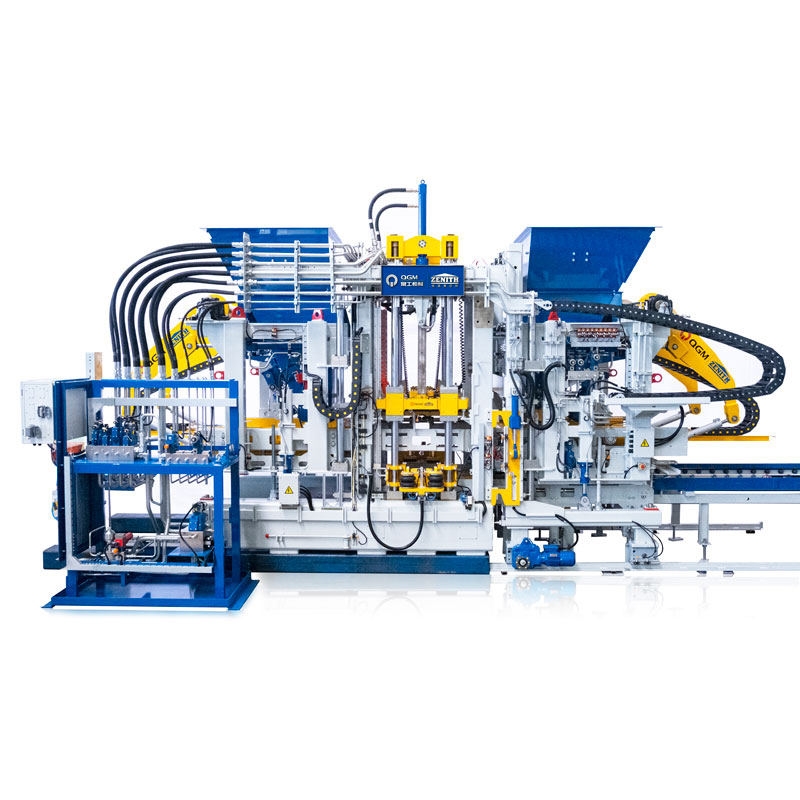
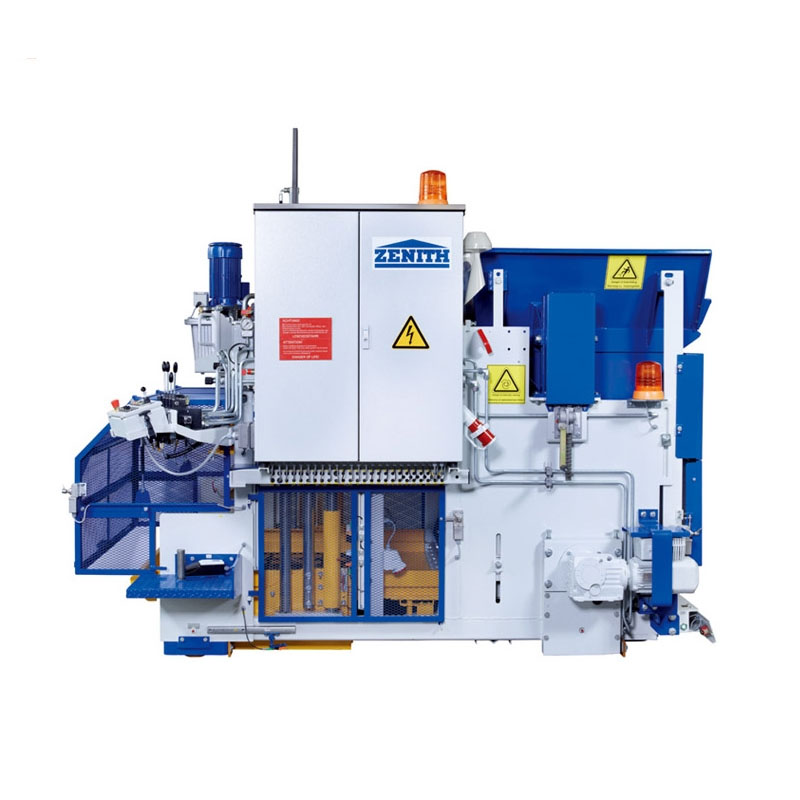
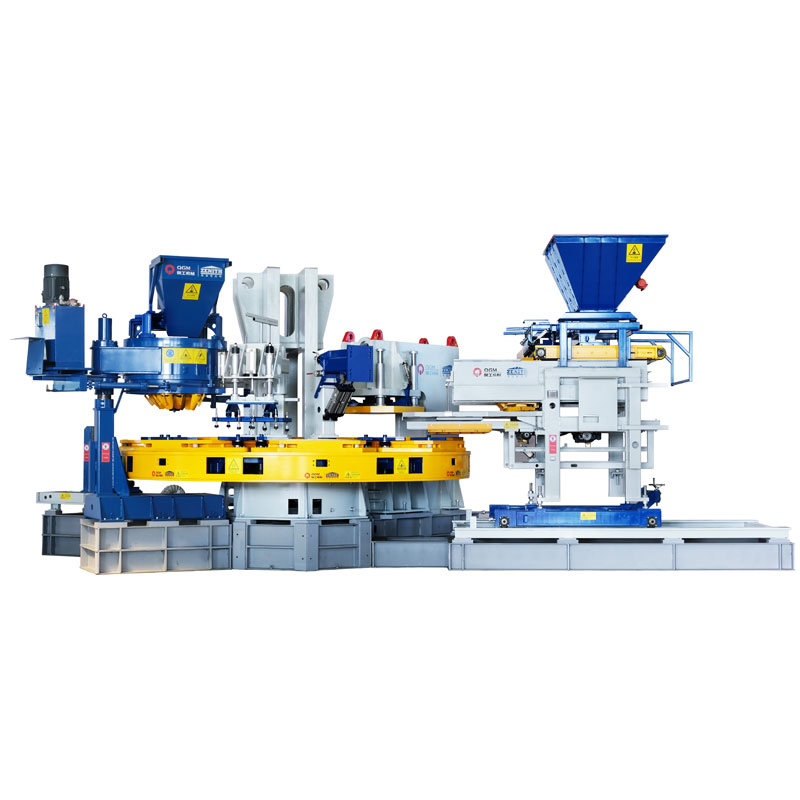
Selecting the ideal block making machine is the single most critical decision for your factory’s productivity, cost efficiency, and long-term profitability. With over two decades of hands-on experience in the concrete machinery sector, our team at Quangong Machinery Co., Ltd. has witnessed how the right machine can transform a small operation into a regional leader, while the wrong choice leads to recurring downtime and wasted capital. This guide draws from real-world factory audits and engineering data to help you navigate capacity planning, mold configurations, hydraulic systems, and automation levels tailored to your local aggregate conditions.
At our factory, we have tested dozens of configurations across four continents. We know that a machine that excels in high-humidity coastal zones might struggle in dry, high-altitude regions. Therefore, this article does not just list specifications. It teaches you a decision framework based on your unique raw materials, desired block types, and energy constraints. By the end, you will know exactly which QGM Block Making Machine aligns with your production targets and how to avoid the five most costly purchasing mistakes. Let us begin by mapping out the essential evaluation criteria.
Capacity is not just about how many blocks a machine can produce per hour. It involves cycle time, curing space, and shift scheduling. At Quangong Machinery Co., Ltd., we always start with a simple question: What is your required daily output in square meters of finished wall area? Many buyers focus only on machine cycle time (e.g., 15 seconds per block) but ignore mold utilization and pallet return logistics. For a medium-scale factory targeting 10,000 to 15,000 standard hollow blocks (400x200x200 mm) per 8-hour shift, a machine with a 1050x800 mm pallet size and 25-second cycle is optimal. Larger pallets (1400x1100 mm) reduce labor for handling but demand stronger vibration motors.
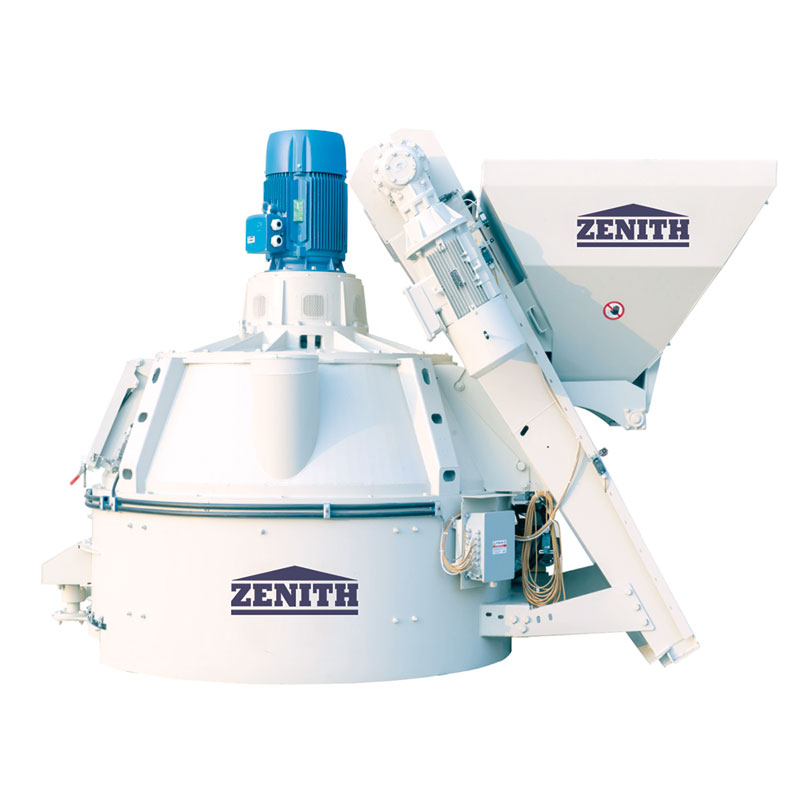
Our internal production records show that matching machine capacity to your mixer’s batch volume prevents bottlenecks. For example, if your planetary mixer outputs 1500 liters per batch and your block machine consumes 200 liters per cycle, you will waste 7 minutes per hour waiting for the mixer. Below is a detailed comparison of our factory’s most requested capacity tiers using the QGM Block Making Machine series. We have tested these under continuous 22-hour runs with local fly ash and crushed stone aggregates.
| Model Series | Pallet Size (mm) | Cycle Time (sec) | Blocks per Hour (400x200x200) | Ideal Daily Output (8hrs) |
| QGM-QF400 | 850x550 | 18-20 | 900-1000 | 7,200 - 8,000 |
| QGM-QF600 | 1050x800 | 15-17 | 1,600-1,800 | 12,800 - 14,400 |
| QGM-QF900 | 1400x1100 | 22-25 | 2,200-2,500 | 17,600 - 20,000 |
From our factory’s perspective, the QF600 offers the best balance for most startups, as it can produce both standard blocks and interlocking pavers with a simple mold change. We have helped over 120 factories in Southeast Asia achieve ROI within 14 months using this capacity tier. Remember to add 30% buffer capacity for future product lines like curb stones or hollow core slabs. Our after-sales data indicates that factories that oversize by one model tier reduce second-machine purchase frequency by 70% over five years.
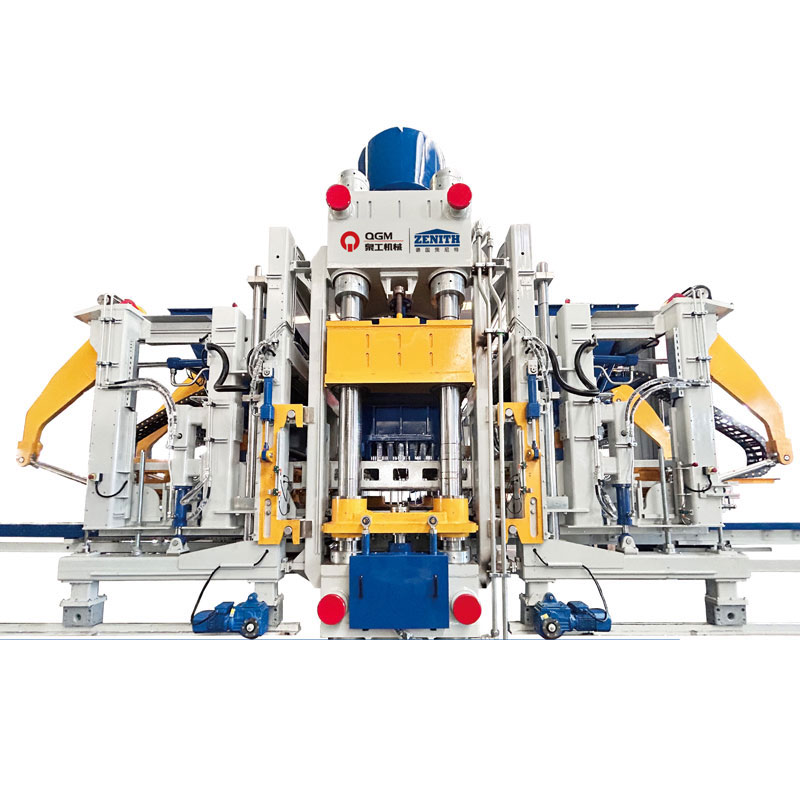
The hydraulic system is the heart of any block making machine. Poor hydraulic design leads to inconsistent compaction, cracked blocks, and massive oil leakage. At QGM, we prioritize closed-loop proportional hydraulics with force feedback sensors. This system adjusts pressing force in real time based on aggregate resistance. In contrast, open-loop systems use fixed pressure, causing over-compaction when your sand is wet or under-compaction when it is dry. Our factory has replaced over 200 open-loop pumps in the last five years for clients who initially tried to save costs.
Vibration technology is equally crucial. Dual-shaft eccentric vibrators mounted directly below the mold table produce the best acceleration (over 5g). Avoid machines that use belt-driven vibrators because belts stretch after 300 hours and reduce compaction by 25%. Another aspect often overlooked is the vibration frequency range. For dense blocks like paving stones, you need 4500-5000 VPM (vibrations per minute). For lightweight aerated blocks, 2800-3200 VPM prevents damage. The QGM Block Making Machine line uses frequency inverters that let you switch between three presets in under 10 seconds, verified in our factory trials with limestone and recycled concrete aggregates.
| Component | Entry Level (Budget) | Industrial Grade (Recommended for our factory) | Lifespan Difference |
| Main Pump Type | Fixed displacement gear pump | Variable displacement axial piston pump (Rexroth/Kawasaki) | +4000 hours |
| Vibration Drive | Single shaft belt drive | Dual shaft direct drive with inverter | +6000 hours |
| Hydraulic Cooling | Air cooler only | Oil-water heat exchanger + thermostat | Prevents seal failure |
Our factory has documented that using the industrial grade configuration reduces annual downtime from 18 days to just 3 days per year. We strongly recommend on-site oil analysis kits. For a typical 8-hour shift, the hydraulic oil should not exceed 55°C. Anything above that degrades seals and reduces pressing force consistency. With the QGM Block Making Machine, you get real-time temperature monitoring via the PLC screen, and our remote support team can alert you to abnormal trends before a breakdown occurs.
Mold design directly influences block strength, surface finish, and production flexibility. Many factory owners focus solely on the machine price but forget that molds wear out every 80,000 to 120,000 cycles. At Quangong Machinery Co., Ltd., we manufacture molds from hardened D2 steel with chromium plating on the cavity walls. This reduces friction and allows smoother demolding. Without proper mold geometry, your blocks might taper at the bottom, making them unstable during stacking. Our factory’s quality control ensures that mold taper never exceeds 0.5 degrees per side.
Changeover speed is a hidden profit killer. If changing from a hollow block to a solid paver takes your team 90 minutes, you lose 10% of daily production. The best machines feature quick-lock clamping systems and pre-aligned mold guides. We have reduced changeover time to under 15 minutes on our QGM Block Making Machine by using hydraulic mold clamping with position sensors. Additionally, consider mold storage and preheating. Cold molds increase cycle time by 15% because concrete takes longer to stiffen. Our factory recommends investing in a mold cart system and a small preheating station (40-50°C) for winter operations.
| Mold Feature | Standard Mold | Premium Mold (Recommended by our factory) | Expected Cycles |
| Steel Grade | EN 1.2311 (P20) | EN 1.2379 (D2 equivalent) | 120,000 vs 280,000 |
| Surface Treatment | Nitriding (0.1 mm depth) | Chrome plating + PVD coating | Reduces sticking by 70% |
| Changeover System | Manual bolts (8 bolts) | Hydraulic quick clamp | 15 min vs 90 min change |
Our factory has a strict rule: always order a spare set of wear plates and stripper heads with your machine. These small parts cost less than 500 USD but can save a full day of downtime when worn. Also, we advise using mold release agents compatible with your mix design. For example, oil-based agents work with crushed aggregate but cause pitting on colored pavers. Using a QGM Block Making Machine equipped with an automatic mold spray system ensures uniform application and extends mold life by up to 40%.
Automation decisions should mirror local labor costs, skill availability, and electricity stability. Our factory has seen fully automatic plants fail in regions with frequent voltage fluctuations, while manual machines thrive. At Quangong Machinery Co., Ltd., we categorize automation into three tiers: manual (hand-operated controls), semi-auto (PLC with manual pallet handling), and fully auto (robot stacking and curing tracking). For a factory with 15 willing but unskilled workers, a semi-auto QGM Block Making Machine with a central PLC and three operator stations yields the best productivity.
Full automation requires skilled electricians and consistent 400V supply. We recently installed a fully automatic line for a client in Dubai achieving 25 blocks per minute, but they also invested in a voltage regulator and two backup generators. Alternatively, for our factory’s projects in Nigeria and Kenya, we recommend a semi-auto configuration with digital counters and interlock safety gates. This reduces material waste by 18% compared to manual machines while keeping capital costs low. The key is to choose a machine that allows future automation add-ons—like a stacker crane or cubing robot—without replacing the main frame.
| Automation Feature | Manual | Semi-Auto (Our Recommendation) | Fully Auto |
| Raw material batching | Manual weighing | Load cell + display | Full recipe management |
| Block quality check | Visual only | Height sensor + camera | AI-based crack detection |
| Pallet stacking | Manual forklift | Chain conveyor + pusher | Robot palletizer |
Our factory’s 20-year data shows that semi-auto users achieve average uptime of 92%, while fully auto users in unstable grids drop to 74% uptime. Therefore, we always supply a UPS (uninterruptible power supply) for the PLC and sensors even on semi-auto systems. The QGM Block Making Machine control software logs every cycle, helping you identify if a specific operator is causing quality drift. This traceability is impossible on manual machines. For training, we provide on-site simulation software—operators learn on a virtual panel before touching the real machine.
Total Cost of Ownership (TCO) is often miscalculated by factory owners who only compare purchase prices. At Quangong Machinery Co., Ltd., we teach our clients a five-year TCO formula: [Machine price] + [5 years of energy] + [5 years of spare parts] + [downtime cost per hour]. Energy consumption varies dramatically: a 55 kW motor that runs 16 hours daily costs 26,400 kWh monthly. At 0.12 USD/kWh, that is 3,168 USD per month in electricity alone. A 75 kW machine might produce more but could add 8,400 USD yearly in energy. Our factory’s energy-optimized QGM Block Making Machine uses servo-hydraulic pumps that cut electricity usage by 38% during idle and low-pressure phases.
Spare parts availability is another hidden TCO factor. We maintain a consignment warehouse in four countries, ensuring that wear items like pan mixer blades and hydraulic filters ship within 48 hours. Based on our factory’s repair logs, the top five spare parts needed in year two are: vibration motor bearings (every 2,500 hours), hydraulic hose sets (every 3,000 hours), limit switches, rubber scraper blades, and control relays. Budget 8-10% of machine price annually for these items. Also, consider the cost of curing racks—many buyers forget that each machine needs 300 to 500 pallets, each costing 25-40 USD.
| Cost Component | Year 1 | Year 3 | Year 5 | 5-Year Total |
| Electricity (0.12/kWh, 16h/day) | 19,200 USD | 19,968 USD (adjusted) | 20,766 USD | 100,000 USD approx |
| Wear parts & molds | 4,200 USD | 5,600 USD | 6,800 USD | 28,000 USD |
| Labor (semi-auto, 5 workers) | 32,000 USD | 33,280 USD | 34,611 USD | 166,000 USD |
Our factory includes a TCO calculator spreadsheet with every quotation. We highly recommend asking the supplier for a guaranteed maximum oil consumption per 1,000 blocks. For the QGM Block Making Machine, our certified number is 2.8 liters of hydraulic oil per 1,000 standard blocks, which is 40% less than industry average. Also, ask about rebuild programs. At year four, we offer a factory refurbishment of your vibratory assembly for 12% of the new machine price, extending life by another seven years.
Choosing the right block making machine requires balancing capacity, hydraulic performance, mold flexibility, automation level, and total cost over five years. Throughout our 20 years at Quangong Machinery Co., Ltd., we have refined the selection process into three final steps: (1) Run a 2000-block trial using your local aggregates on any shortlisted machine. (2) Verify spare parts availability in your region. (3) Calculate the TCO using our table above. Our factory has delivered over 3,500 machines globally, and we guarantee that the QGM Block Making Machine series outperforms generic alternatives in real-world dust and heat conditions.
Do not leave your factory’s profitability to guesswork. Contact our team at Quangong Machinery Co., Ltd. today to request a personalized capacity simulation and a detailed TCO projection based on your local material costs and energy tariffs. We will send you a hard copy of our 68-point factory acceptance test checklist and a video walkthrough of our production floor. Fill out the quick inquiry form on our website or call our 24/7 engineering hotline. Let us build a more productive future for your factory together.
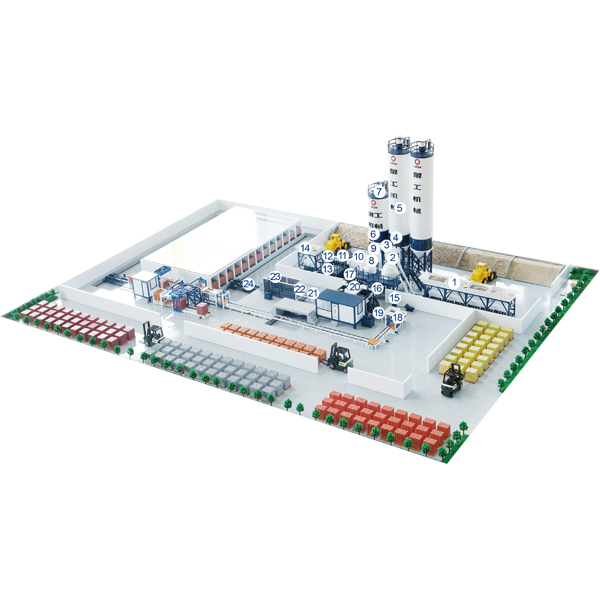
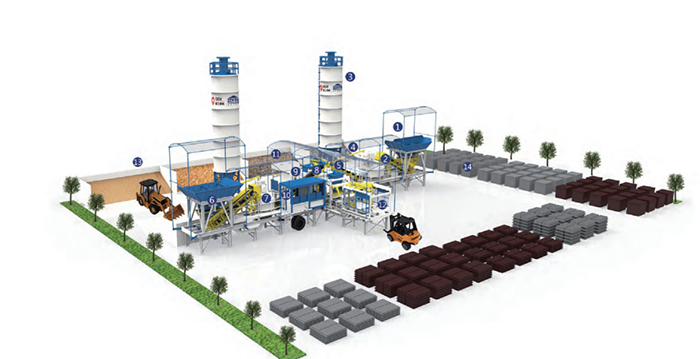
For a standard semi-auto configuration with raw material hopper, mixer, block machine, and curing area for 5 days of production, our factory recommends a minimum covered area of 450 square meters (30m x 15m) plus an open yard of 800 square meters for stacking cured blocks. The QGM Block Making Machine itself occupies approximately 10m x 4m, but you need an additional 6m for pallet circulation and 8m for the control room and spare parts storage. For a fully automatic line with robotic stacking, increase the covered area to 750 square meters. Always add 20% more space for future expansion. We provide free layout CAD drawings upon request.
Based on our factory’s preventive maintenance schedule, replace the hydraulic oil every 2,000 operating hours or annually, whichever comes first. Use ISO VG 46 anti-wear hydraulic oil with a minimum viscosity index of 95. However, we strongly recommend oil sampling every 1,000 hours. If the particle count exceeds ISO 4406 code 19/17/14, change the oil immediately regardless of hours. For the QGM Block Making Machine, the oil tank has a built-in offline filtration loop that we activate during idle nights, extending oil life to 3,000 hours under clean conditions. Never mix different oil brands because additive incompatibility creates sludge that blocks servo valves.
Yes, absolutely. Our factory designs the QGM Block Making Machine with a universal mold adapter and variable compaction pressure from 15 MPa to 30 MPa. For concrete blocks (aggregate based), use a lower vibration frequency (3,200 VPM) and higher pressure (25 MPa). For fly ash bricks (with 15-20% cement), reduce pressure to 18 MPa but increase vibration to 4,000 VPM to improve compaction of fine particles. The key is to clean the mixing unit thoroughly between material switches because residual fly ash weakens concrete blocks. We offer a quick-clean mixing system with rubber-lined drums and water spray nozzles that reduces cross-contamination cleaning time to 20 minutes.
Based on our factory’s financial analysis of 65 clients, the payback period for an automatic stacking system (cubing robot and pallet handler) ranges from 18 to 30 months. This calculation assumes a semi-auto machine is already in place. The auto stacker eliminates four manual laborers per shift and reduces block breakage during manual stacking from 3.5% to 0.8%. For a factory producing 15,000 blocks daily at 0.45 USD per block (revenue), the 2.7% reduction in breakage saves 182 USD daily, or 66,000 USD annually. A typical stacker system costs 85,000-120,000 USD installed. Therefore, in markets where labor costs exceed 8 USD per worker day, payback occurs in under 24 months. Our factory provides a customized ROI calculator for each client.
The QGM Block Making Machine features an integrated moisture sensor in the mixing auger that measures aggregate humidity in real time. To calibrate, first run a manual test: dry your aggregates in an oven at 105°C for 24 hours, then mix a batch with exactly 12% water by weight of cement. Note the sensor reading on the PLC screen (e.g., 145 units). Next, add 2% extra water and record the new reading (172 units). The PLC uses this linear regression to automatically adjust water addition for each batch, maintaining slump within ±5 mm. Our factory recommends recalibrating every 200 hours or whenever aggregate source changes. The system also alerts you if the measured moisture exceeds 9% because that indicates rain exposure in your raw material stockpile. For extreme climates, we supply a heated sensor option that prevents freezing errors.
-