Quangong Machinery Co., Ltd.
News

How Does a Modern Block Making Machine Improve Production Efficiency?

2026-04-01 0 Leave me a message

For decades, the concrete block manufacturing industry relied on manual processes and outdated machinery that limited output, increased waste, and created bottlenecks. Today, the paradigm has shifted. A modern block making machine integrates precision engineering, hydraulic power, and real-time automation to transform production lines into high-throughput, cost-effective operations. At Quangong Machinery Co., Ltd., we have witnessed how next-generation equipment cuts cycle times by up to 40%, reduces labor dependency, and delivers consistent block quality that meets international standards. Efficiency is no longer just about speed—it is about energy conservation, predictive maintenance, and seamless integration with upstream and downstream systems.


This comprehensive guide, crafted from two decades of industry leadership, dives deep into the technological innovations that define modern block production. We will explore how our QGM block making machine leverages advanced hydraulics, vibration technology, and intelligent control platforms to deliver unparalleled efficiency. Whether you are upgrading an existing facility or building a new plant, understanding these efficiency drivers will help you maximize ROI, reduce carbon footprint, and stay competitive in a demanding market. Let us break down the core parameters, real-world data, and answers to the most pressing questions surrounding modern block machinery.


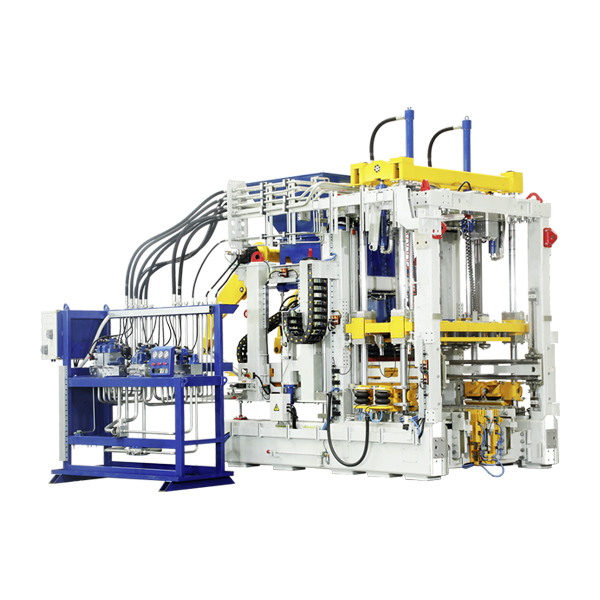
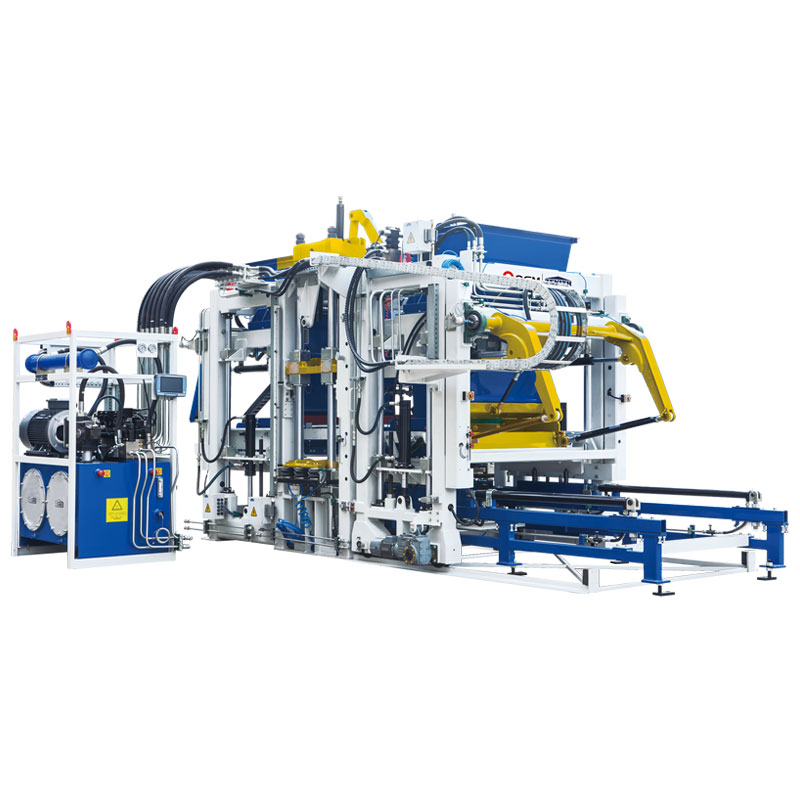
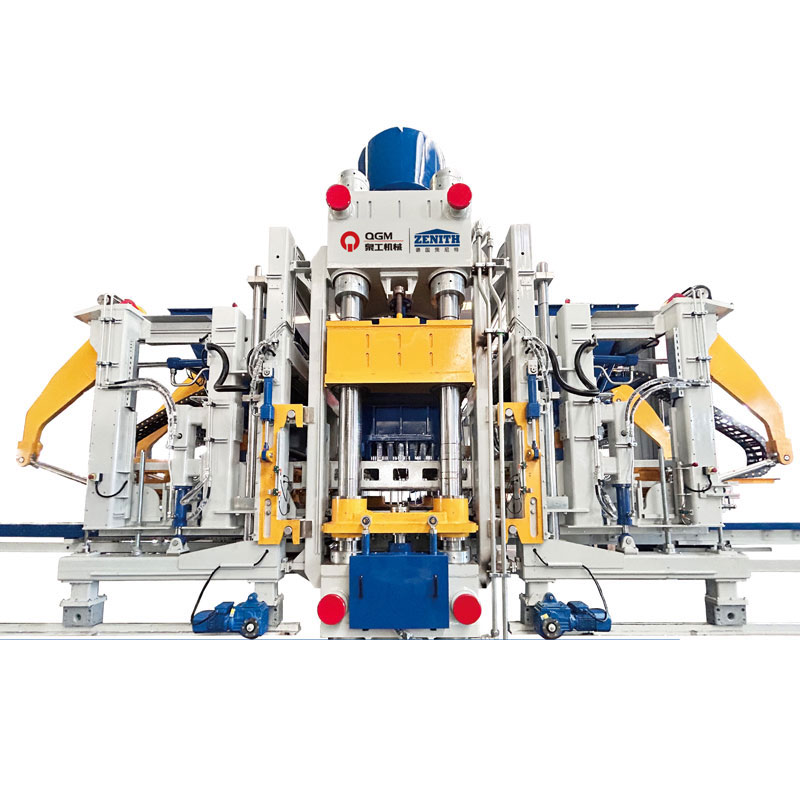
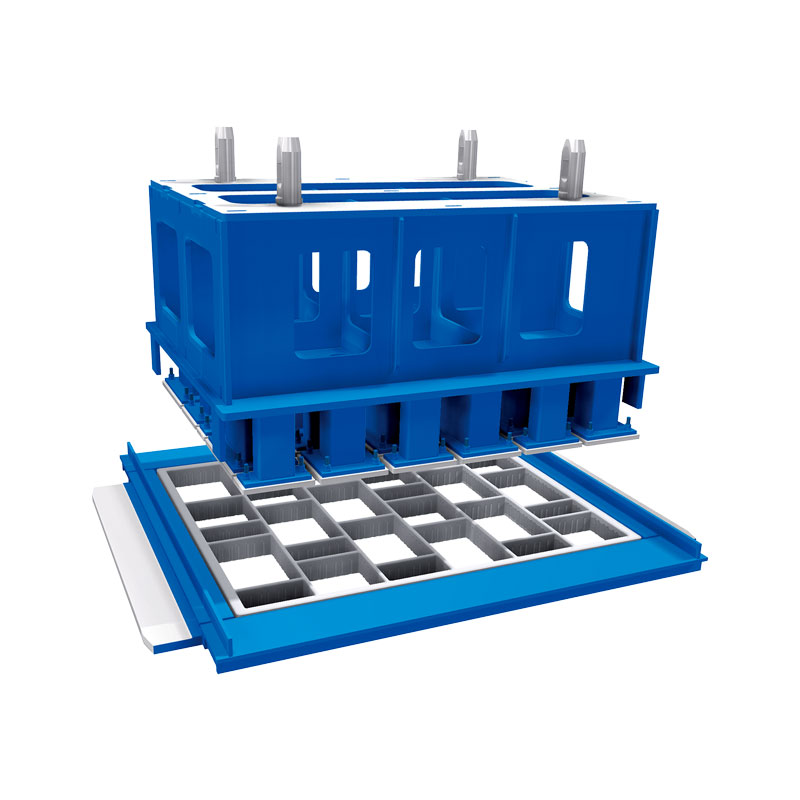
ZN900CG Concrete Block Machine


What Key Technologies Drive Efficiency in a Modern Block Making Machine?

The evolution from conventional block machines to modern, fully automated systems hinges on a convergence of engineering breakthroughs. Our factory has spent years refining these technologies to ensure that each QGM block making machine delivers measurable efficiency advantages. Below we break down the core technological pillars that redefine productivity.

1. High-Frequency Vibration Systems

Unlike static or low-frequency vibration, modern machines employ servo-driven eccentric vibrators that generate frequencies exceeding 85 Hz. This achieves immediate compaction with less cement content while maintaining superior green strength. The result: blocks can be stacked sooner, reducing curing area requirements and accelerating overall throughput. At our factory, vibration parameters are adjustable via HMI, allowing operators to switch between solid blocks, hollow blocks, and pavers without mechanical recalibration.

2. Closed-Loop Hydraulic Architecture

Hydraulic efficiency directly correlates with energy consumption and cycle speed. Modern systems use proportional valves, load-sensing pumps, and accumulator circuits that reduce idle energy by up to 35%. Our QGM block making machine incorporates a dual-pump hydraulic system that synchronizes mold vibration and pressing forces, slashing cycle times to as low as 12-15 seconds per pallet for standard blocks.

3. Smart PLC with IoT Readiness

Industry 4.0 compatibility transforms data into actionable insights. Our systems feature Siemens or Beckhoff controllers that monitor real-time parameters—vibration amplitude, hydraulic oil temperature, raw material moisture—and auto-adjust to maintain consistency. Remote diagnostics allow our service team to preempt failures, ensuring uptime remains above 95% even in 24/7 operations.

4. Modular Mold & Quick-Change Systems

Downtime between product changeovers kills efficiency. Advanced machines incorporate hydraulic mold clamping with quick-release mechanisms. Changing from a 6-inch block to a 8-inch block takes less than 8 minutes compared to traditional 45-minute manual changes. This flexibility empowers producers to run smaller batches without sacrificing OEE (Overall Equipment Effectiveness).

To illustrate the technological superiority, here are the detailed parameters of our flagship QGM block making machine series. These specifications are the result of over two decades of field data and continuous R&D at Quangong Machinery Co., Ltd.

Parameter Specification (QGM Super 10 Series)
Pallet Size (mm) 1200 x 1000 / 1400 x 1100
Cycle Time (standard block) 12 – 16 seconds
Hydraulic Pressure (MPa) 21 – 25
Vibration Force (kN) 95 – 125 (servo-electric)
Total Installed Power (kW) 85 – 160 (energy-optimized)
Control System Siemens S7-1500 with remote IoT module
Mold Change Time ≤ 8 minutes (automatic clamping)
Production Capacity (8h shift) 12,000 – 18,000 standard blocks (400x200x200mm)
Noise Level (dB) < 82 (enclosed vibration deck)

These figures are not just theoretical. At our factory, we conduct rigorous endurance testing to ensure each QGM block making machine delivers consistent efficiency even in high-demand environments. By integrating these technologies, producers typically reduce per-block electricity cost by 22% and labor costs by nearly 50% compared to semi-automatic alternatives.


How Does Automation and Cycle Time Optimization Maximize Output?

Cycle time—the period from raw material feeding to finished block ejection—is the heartbeat of production efficiency. Modern block making machines leverage full automation chains that synchronize every sub-process, eliminating manual interventions and minimizing idle intervals. Our experience at Quangong Machinery Co., Ltd. shows that a well-optimized automated system can boost output by 70% compared to manual or semi-automatic lines, while simultaneously improving product uniformity.

End-to-End Automation Architecture

True efficiency comes from a holistic approach. Our systems incorporate:

  • Automatic aggregate batching & mixing: Weight sensors and moisture probes ensure mix consistency before material enters the machine, reducing rejects.
  • PLC-driven pallet circulation: Servo-controlled conveyors synchronize with the main machine, ensuring zero waiting time between cycles.
  • Robotic layer stripping & cubing: Post-production handling is automated, allowing the block making machine to run continuously without forklift delays.
  • Predictive material feeding: Real-time consumption monitoring triggers automatic refill from silos, preventing starvation.

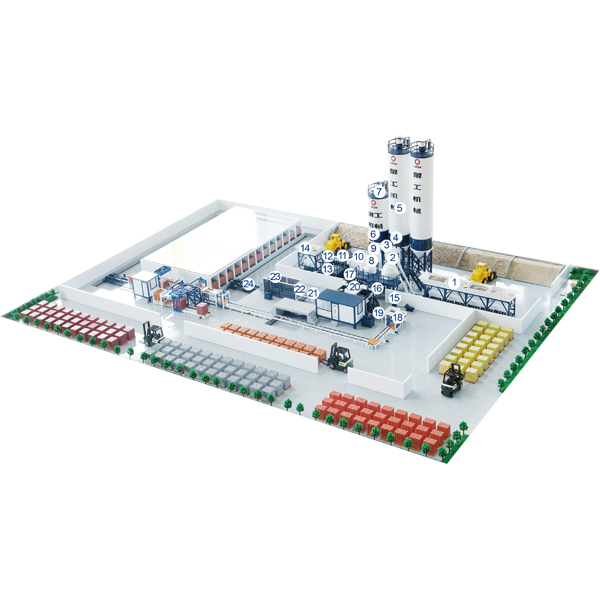
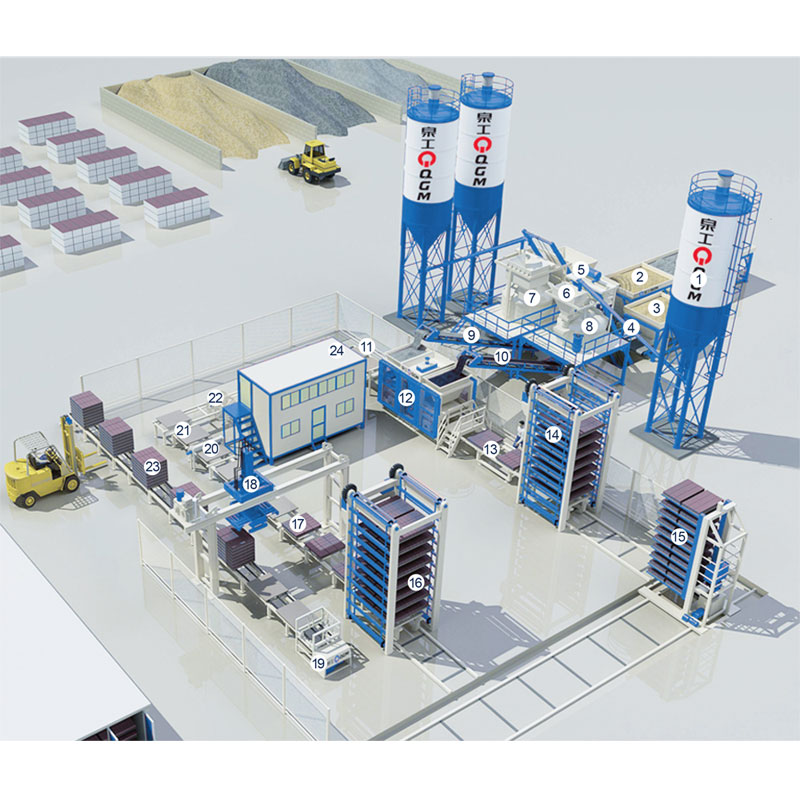
Our factory designs each production line as a cohesive ecosystem. A QGM block making machine integrates seamlessly with automated curing rack systems and packaging lines, which means that even when producing complex products like interlocking pavers, the total throughput remains high.

Cycle Time Reduction Through Parallel Operations

Traditional machines operate sequentially: feed, vibrate, press, eject, then wait for pallet return. Modern equipment, however, overlaps operations. While the main press is compacting a batch, the feeder is already pre-dosing the next mix, and the pallet handler prepares the next board. This reduces effective cycle time by up to 40%. Below is a breakdown of cycle improvements:

  • Raw material charging: 3 sec (automated volumetric dosing)
  • Vibration & compaction: 5–7 sec (servo-controlled amplitude modulation)
  • Hydraulic pressing & holding: 2 sec (fast-acting proportional valves)
  • Stripping & pallet exit: 2 sec (synchronized with conveyor)
  • Total dry cycle: 12–16 sec (including safety interlocks)

Moreover, modern machines incorporate multi-option recipes. Our QGM block making machine can store up to 200 product recipes, enabling operators to switch between hollow blocks, solid blocks, and curb stones in seconds without mechanical adjustments. This agility reduces downtime and allows just-in-time production, slashing inventory costs.

At Zenith, we have implemented Industry 4.0 dashboards that provide live OEE (Overall Equipment Effectiveness) metrics. Clients often report that after upgrading to our fully automated systems, their shift output increased from 6,000 blocks to over 15,000 blocks with the same workforce. The combination of reduced cycle times, minimized human error, and continuous operation makes automation the single biggest contributor to modern production efficiency.


Why Does Hydraulic System Design Matter for Production Consistency?

Hydraulics are the muscles of any block making machine, but poorly designed systems lead to energy waste, inconsistent compaction, and frequent maintenance shutdowns. In contrast, a precision-engineered hydraulic circuit ensures that every block receives identical pressing force, regardless of production speed or ambient conditions. For two decades, our factory has refined hydraulic architectures to achieve industry-leading consistency and reliability. Here’s why it matters for efficiency.

Energy Efficiency & Heat Management

Conventional hydraulic systems run at fixed displacement pumps, causing energy loss during idle periods. Modern QGM block making machine uses variable-displacement axial piston pumps combined with load-sensing technology. This reduces power consumption by up to 38% compared to older models. Additionally, oversized oil coolers with thermostatic control keep operating temperatures between 45–55°C, preserving seal life and oil viscosity. Lower heat generation also reduces cooling energy, creating a compounding efficiency gain.

Precision Compaction = Lower Reject Rates

Consistent block density and dimensional accuracy depend on repeatable hydraulic pressure. Our dual-cylinder pressing system applies up to 25 MPa with position feedback (linear transducers) that ensure the upper punch stops at exactly the same height every cycle. This eliminates variations in block height and reduces waste. Reject rates on typical sites drop from 3–5% to below 0.8% after adopting our hydraulic system.

Maintenance-Friendly Design

Downtime for hydraulic repairs can cripple production. Our designs incorporate easy-access manifolds, quick-test ports, and contamination-resistant components (ISO 4406 class 18/16/13). We also provide predictive maintenance alerts—when filter differential pressure rises, the control system notifies operators. At our factory, we test each hydraulic power unit for 72 hours under simulated load to guarantee leak-free operation. Our customers report that hydraulic-related downtime accounts for less than 1% of total production time annually.

For a quick comparison, here’s a look at key hydraulic parameters across machine generations:

  • Traditional machine: Fixed pump, single-pressure circuit, 12–15 MPa, 45 sec cycle, 55 kWh/ton
  • Modern QGM block making machine: Load-sensing pump, dual-pressure circuit, up to 25 MPa, 14 sec cycle, 32 kWh/ton

With these advancements, producers achieve not only higher output but also significant reduction in operational costs. It’s a clear illustration of how hydraulic sophistication directly translates to profitability.


What Are the Measurable Efficiency Gains with Smart Control Systems?

In the era of smart manufacturing, a block making machine without intelligent control is like a smartphone without apps—functional but far from optimal. At Quangong Machinery Co., Ltd., we embed smart controllers that do more than just run sequences; they analyze, adapt, and predict. This section quantifies the efficiency gains delivered by our advanced control architecture, backed by real data from installations worldwide.

Real-Time Adaptive Optimization

Our QGM block making machine uses an AI-assisted algorithm that monitors vibration frequency, hydraulic pressure, and material moisture in real time. If the mix is slightly wetter due to weather, the system automatically adjusts vibration duration to maintain perfect compaction. This adaptive logic ensures consistent block strength (typically 10–15% higher C28 strength) and reduces cement overuse. Clients often save 8–12% on raw material costs within the first three months.

Remote Monitoring & Centralized Fleet Management

Efficiency also stems from minimized downtime. Our cloud-based iQGM platform allows plant managers to monitor production KPIs—such as cycles per hour, energy consumption per block, and alarm history—from any device. When an anomaly is detected, the system generates a diagnostic report, and our service engineers can remotely fine-tune parameters. This reduces mean time to repair (MTTR) from an industry average of 8 hours to under 2 hours.

Energy Consumption Intelligence

Smart controls provide granular energy tracking. For example, we can isolate consumption of vibration motors, hydraulic pumps, and conveyors. Our customers use this data to schedule production during off-peak electricity tariffs, further reducing costs by up to 18%. Below is a comparative energy analysis:

  • Legacy machines: 2.1 kWh per standard block (400x200x200mm)
  • QGM smart-controlled machine: 1.35 kWh per standard block
  • Annual savings for a 2-shift operation: ≈ 85,000 USD (based on 0.12 USD/kWh)

Moreover, the control system logs preventive maintenance intervals—lubrication, filter changes, and vibration calibration—so that no scheduled service is missed. Our factory trains customers’ technicians via AR-assisted manuals, ensuring high system familiarity and quick troubleshooting. The result is a production environment where efficiency is not just achieved but sustained over years.

With these smart features, the QGM block making machine becomes more than equipment; it becomes a strategic asset that adapts to market demands while optimizing every resource. For producers aiming to scale, the combination of automation, hydraulic precision, and smart control creates a competitive moat that legacy systems simply cannot match.


Conclusion: Future-Proofing Production with Next-Gen Block Machines

As we have explored, the answer to “how does a modern block making machine improve production efficiency” lies in the synergy of high-frequency vibration, intelligent hydraulics, smart automation, and data-driven controls. These technologies work in concert to cut cycle times, reduce waste, lower energy consumption, and increase overall equipment effectiveness. At Quangong Machinery Co., Ltd., we have dedicated over 20 years to engineering solutions that empower producers to meet growing construction demands without proportional increases in cost or labor.

Our factory continues to innovate—integrating AI-driven quality prediction and sustainable energy recovery systems—ensuring that every QGM block making machine remains at the forefront of industry standards. Whether you are seeking to upgrade an existing line or build a fully automated plant from scratch, our team provides end-to-end support: from layout design to after-sales training. The result is a measurable improvement in your bottom line and a significant reduction in carbon footprint per block produced.

Ready to transform your production efficiency? Contact Quongong Machinery Co., Ltd. today to schedule a consultation. Our experts will analyze your current setup, provide a customized ROI forecast, and demonstrate how our QGM block making machine can elevate your manufacturing capacity. Let’s build a more efficient future together.


Frequently Asked Questions (FAQ) – Efficiency, Maintenance & ROI

Q1: How does a modern block making machine reduce energy costs compared to traditional models?

Modern machines incorporate variable-frequency drives, load-sensing hydraulics, and servo-vibration systems that consume power only when needed. For example, our QGM block making machine reduces idle energy by using standby mode during pallet changes. On average, energy consumption per standard block drops from 2.1 kWh to 1.35 kWh, translating to thousands of dollars in annual savings. Additionally, smart controllers can schedule production during off-peak tariff windows, further reducing electricity expenses.

Q2: What maintenance schedule is required to keep a high-efficiency block machine running at peak performance?

Routine maintenance primarily involves hydraulic oil analysis every 2,000 hours, vibration motor greasing every 500 hours, and inspection of mold wear. Our factory provides a predictive maintenance module within the PLC that notifies operators when filters need replacement or when calibration is due. Because modern machines are built with self-diagnostics and wear-resistant components (hardox steel liners, tungsten-carbide vibration pads), unplanned downtime is reduced by over 60% compared to older systems. With proper monitoring, a QGM block making machine typically achieves 98% mechanical availability.

Q3: Can a modern block making machine handle multiple product types without sacrificing efficiency?

Absolutely. The modular design and quick-change mold system allow product switching in under 10 minutes. Our QGM block making machine stores recipes for over 200 different products—from standard concrete blocks to pavers, hollow blocks, and curbstones—and automatically adjusts vibration frequency, pressing force, and stripping speed for each. This flexibility enables manufacturers to respond to market demand without line stoppages. Efficiency is maintained because the machine’s servo system auto-calibrates, ensuring that cycle times remain consistent regardless of product geometry.

Q4: What is the typical return on investment (ROI) when upgrading to an automated block making machine?

Based on data from our factory and global clients, the ROI period for a fully automated QGM block making machine is typically 12 to 18 months. This is driven by labor reduction (up to 60% fewer operators), material savings (cement reduction of 8–12% due to superior compaction), and increased output (often 2.5x higher per shift). Additionally, the enhanced block quality allows producers to command premium pricing in markets demanding high-strength, precisely dimensioned products. Many customers see payback within the first year and enjoy 5+ years of increased profitability.

Q5: How does real-time data collection from the machine contribute to production efficiency?

Real-time data is the foundation of continuous improvement. Modern machines like our QGM block making machine transmit production metrics—cycle times, downtime reasons, energy consumption, and defect rates—to a centralized dashboard. Plant managers can identify bottlenecks, adjust shift schedules, and implement lean manufacturing practices. For instance, if a machine consistently slows during afternoon shifts, data might reveal a slight drop in hydraulic oil temperature; corrective actions are then taken proactively. This data-driven approach typically yields a 12–18% incremental efficiency gain beyond the baseline automation improvements.

Related News
Leave me a message
X
We use cookies to offer you a better browsing experience, analyze site traffic and personalize content. By using this site, you agree to our use of cookies. Privacy Policy
Reject Accept