Quangong Machinery Co., Ltd.
News

What Is the Production Capacity of QGM Block Making Machine for Daily Use?

2026-10-23 0 Leave me a message

A block plant owner evaluating a new production line has one question that dominates all others: how many blocks can this machine produce in a day? The answer determines the plant's revenue, its labor requirements, its curing capacity, and its return on investment. The QGM Block Making Machine is one of the most widely used platforms in the concrete block industry, and its production capacity is a key reason for its popularity. But the question of daily output is not answered by a single number. It depends on the block size, the pallet configuration, the cycle time, the number of working hours, and the efficiency of the surrounding plant operations. A machine that produces 20,000 blocks per day in one configuration may produce only 12,000 in another. Understanding these variables is essential for buyers who need to match the machine to their production targets.


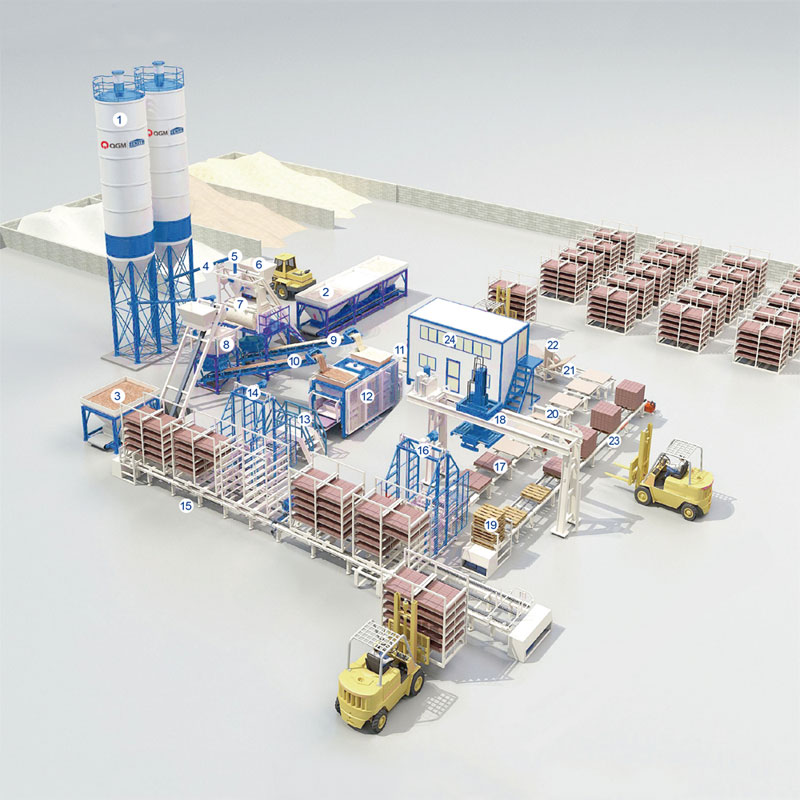
This guide is written for procurement managers, block plant owners, and project developers who need to evaluate the production capacity of the QGM Block Making Machine for daily use. We will explain how capacity is calculated, the factors that affect output, the typical output ranges for different QGM models, the calculation method for different block types, and the criteria for selecting the right model for your plant. We will also provide detailed product parameters from our factory at Quangong Machinery Co., Ltd. Whether you are planning a new block plant or expanding an existing one, this guide will help you make an informed decision about production capacity.

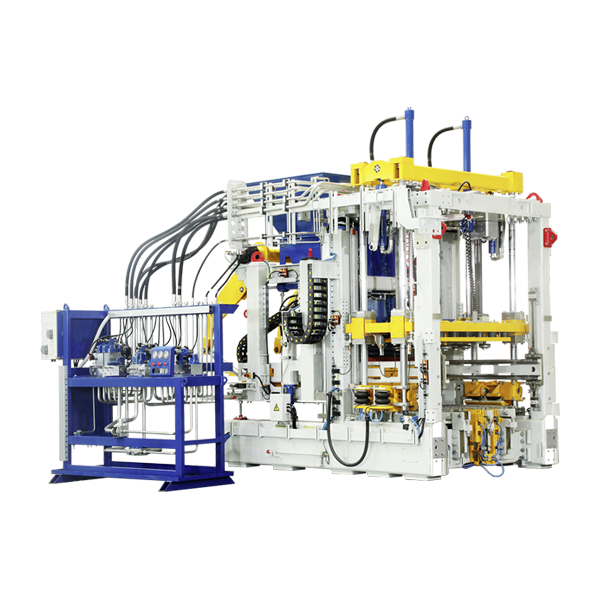
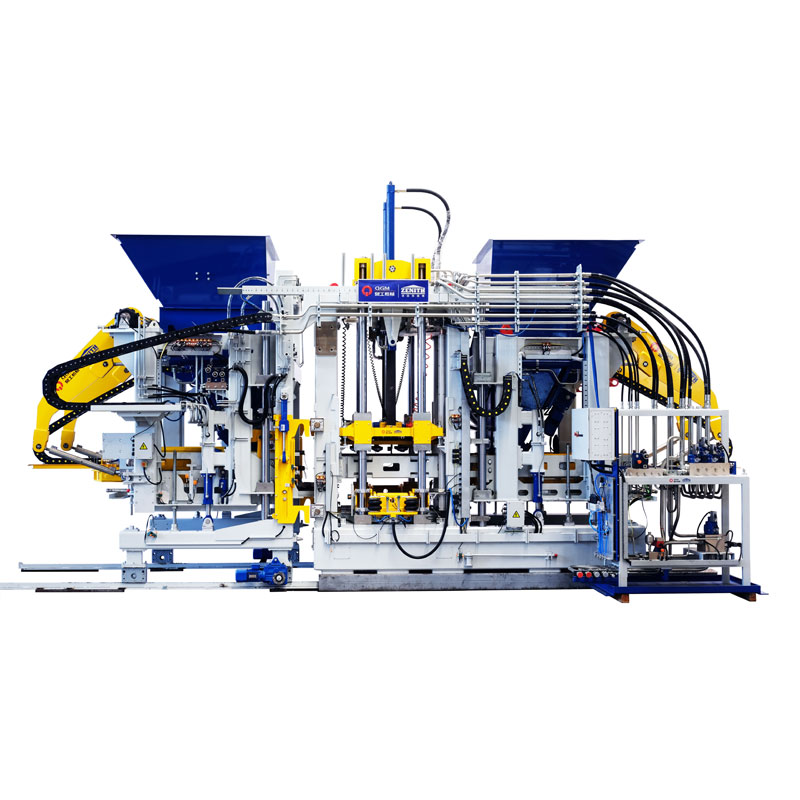
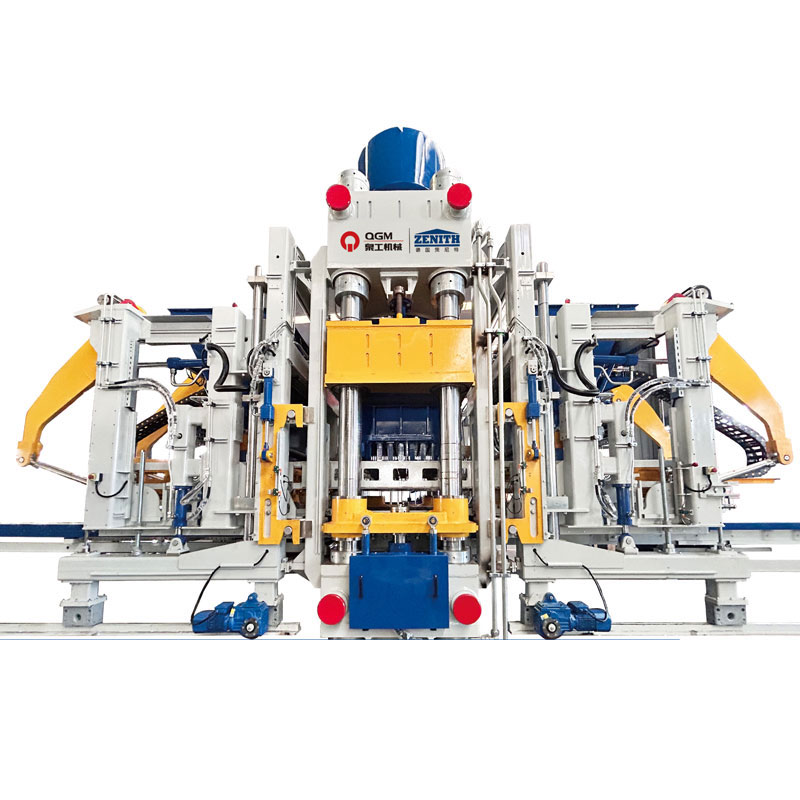
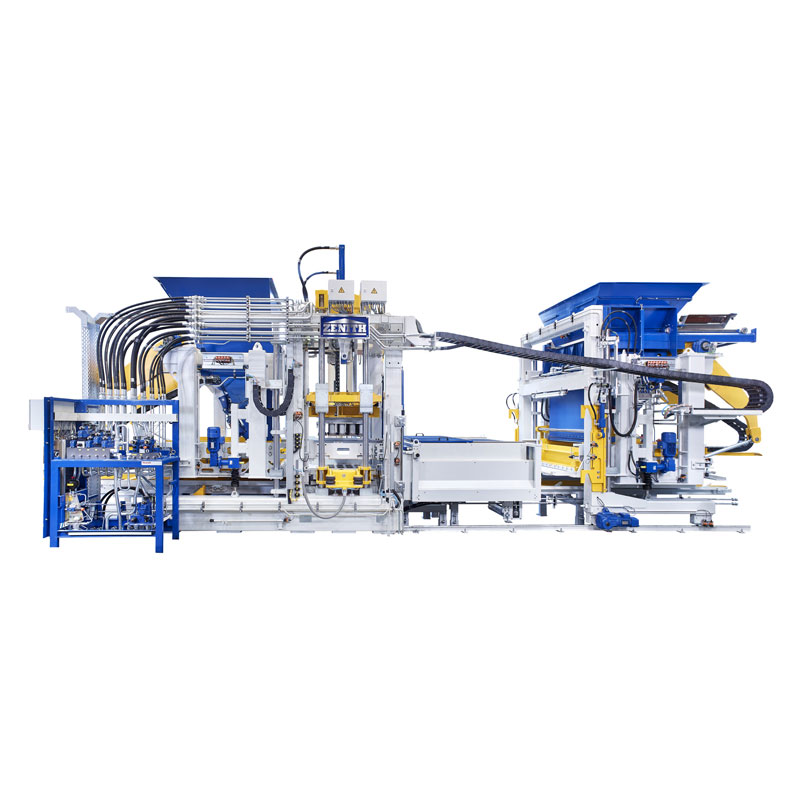
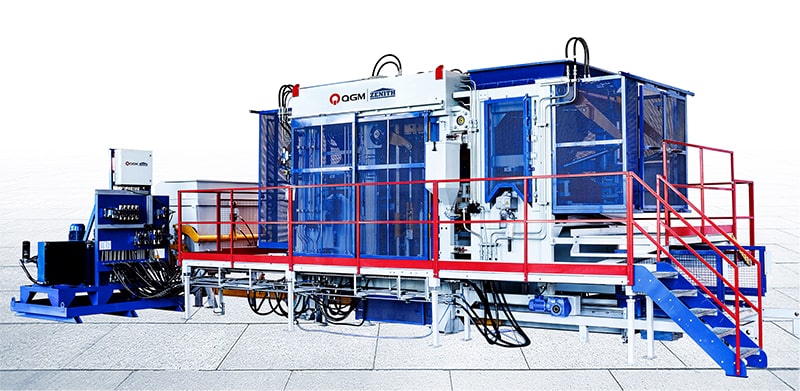
ZN1500-2C Concrete Block Machine


Table of Contents


1. How Is the Daily Production Capacity of a Block Machine Calculated?

The daily production capacity of a block machine is calculated by multiplying the number of blocks produced per cycle by the number of cycles per hour, and then multiplying that result by the number of effective working hours per day. The formula is simple, but each variable requires careful consideration. The number of blocks per cycle depends on the pallet size and the block dimensions. The number of cycles per hour depends on the cycle time, which is the time required to complete one full production cycle: feeding, vibration, pressing, ejection, and pallet transfer. The number of effective working hours depends on the shift pattern, the plant's efficiency, and the time lost to changeovers, maintenance, and breaks. The table below shows the calculation for a typical QGM model producing standard hollow blocks.

Parameter Example Value Notes
Pallet Size 1,200 x 1,000 mm Standard for QGM 12S
Block Size 400 x 200 x 200 mm Standard hollow block
Blocks per Pallet 12 blocks Depends on layout
Cycle Time 16 seconds Including feed, vibrate, press, eject
Cycles per Hour 225 cycles 3,600 / 16 = 225
Effective Working Hours 8 hours Single shift
Daily Output 21,600 blocks 225 x 12 x 8 = 21,600

This calculation provides a theoretical maximum. In practice, the actual output will be lower because of efficiency losses. A typical plant efficiency factor for a well-run block plant is 85-90%. Applying an 85% efficiency factor to the example above gives an actual daily output of approximately 18,360 blocks. At Quangong Machinery Co., Ltd., our engineering team helps customers calculate the theoretical and actual output for their specific block types and plant conditions. We also provide guidance on how to maximize plant efficiency to achieve the highest possible daily output.


2. What Factors Affect the Actual Daily Output of the QGM Block Making Machine?

The actual daily output of a QGM Block Making Machine is affected by a range of factors that extend beyond the machine's cycle time. These factors include the block type, the pallet configuration, the concrete mix design, the curing system, the material handling system, and the plant management practices. The table below summarizes the key factors and their effect on output.

Factor Effect on Output How to Optimize
Block Type Smaller blocks = more blocks per pallet, but longer cycle time Select the pallet layout that maximizes blocks per cycle
Concrete Mix Dry mix = shorter cycle; wet mix = longer cycle Optimize mix design for the machine
Pallet Handling Manual = slower; automated = faster Invest in automated pallet handling
Curing System Insufficient curing = pallet shortage = reduced output Size curing capacity to match machine output
Maintenance Unplanned downtime reduces output Implement preventive maintenance
Operator Skill Inexperienced operators = slower changeovers Provide training and clear procedures

At our factory, we design our QGM Block Making Machines to minimize cycle time and maximize reliability. We also provide plant layout consulting and equipment selection support to ensure that the entire plant, from batching to curing, is optimized for the machine's output. Our goal is to help our customers achieve the highest possible daily output from their investment.


3. What Are the Typical Output Ranges for Different QGM Models?

The QGM Block Making Machine is available in several models, each with a different production capacity. The capacity depends on the pallet size, the cycle time, and the number of blocks per pallet. The table below provides the typical output ranges for the main QGM models when producing standard hollow blocks (400 x 200 x 200 mm).

Model Pallet Size (mm) Blocks per Pallet Cycle Time (s) Theoretical Output (blocks/8h) Actual Output at 85% Efficiency
QGM 6S 800 x 600 6 14 12,342 10,490
QGM 8S 1,000 x 800 8 15 15,360 13,056
QGM 12S 1,200 x 1,000 12 16 21,600 18,360
QGM 15S 1,250 x 1,000 15 17 25,411 21,600

These output ranges are typical for a single-shift operation with standard hollow blocks. The actual output can be higher or lower depending on the block type, the mix design, and the plant efficiency. At QGM, we work with our customers to determine the exact output for their specific block type and plant configuration. We also offer models with higher capacity for large-scale production.


4. How Does Block Type Affect Daily Capacity?

The block type has a significant effect on the daily capacity of the QGM Block Making Machine. Different block types have different dimensions and different cycle times. For example, a standard hollow block (400 x 200 x 200 mm) may have a cycle time of 16 seconds, while a larger solid block or a paver may have a longer cycle time because of the increased material volume and the higher compaction force required. The number of blocks per pallet also varies with the block size. Smaller blocks, such as pavers, can fit more units per pallet, but the cycle time may be longer. The table below shows the typical output for different block types on a QGM 12S machine.

Block Type Dimensions (mm) Blocks per Pallet Cycle Time (s) Actual Output (blocks/8h, 85% efficiency)
Hollow Block 400 x 200 x 200 12 16 18,360
Solid Block 400 x 200 x 200 10 18 13,600
Paver 200 x 100 x 60 30 20 18,360
Retaining Wall Block 400 x 200 x 200 8 20 9,792
Curbstone 1,000 x 250 x 150 2 22 2,232

At our factory, we provide block-specific capacity calculations for our customers. We also provide mold design support to optimize the pallet layout for each block type, maximizing the number of blocks per cycle and minimizing the cycle time. Our goal is to help our customers achieve the highest possible output for their specific product mix.


5. How Do You Select the Right QGM Model for Your Production Target?

Selecting the right QGM model for your production target requires a systematic evaluation of your requirements. The first step is to determine your target daily output. This should be based on your market demand, your sales projections, and your growth plans. The second step is to determine your block mix. Different block types have different outputs, so you need to calculate the weighted average output for your product mix. The third step is to determine your shift pattern. A single shift of 8 hours will produce roughly half the output of a double shift of 16 hours. The fourth step is to determine your plant efficiency. This depends on your material handling, curing capacity, and maintenance practices. The fifth step is to select the QGM model that meets your target output with an appropriate margin for growth. The table below provides a selection guide.

Target Daily Output (blocks) Recommended Model Shift Pattern Notes
8,000 - 12,000 QGM 6S Single shift Small to medium plant
12,000 - 16,000 QGM 8S Single shift Medium plant
16,000 - 22,000 QGM 12S Single shift Medium to large plant
22,000 - 30,000 QGM 15S Single shift Large plant
30,000+ QGM 15S or multiple machines Double shift High-volume production

At our factory, we work with our customers to determine the right QGM model for their production target. We provide detailed output calculations, plant layout recommendations, and equipment selection support. Our goal is to help our customers select a machine that meets their current needs and provides room for future growth.


6. What Are the Key Product Parameters from Our Factory?

The following table provides the key product parameters for our QGM Block Making Machines. These parameters determine the production capacity and the suitability of the machine for different applications. Our factory can also customize the machine to meet specific requirements.

Parameter QGM 6S QGM 8S QGM 12S QGM 15S
Pallet Size (mm) 800 x 600 1,000 x 800 1,200 x 1,000 1,250 x 1,000
Blocks per Pallet (400x200x200) 6 8 12 15
Cycle Time (s) 14 15 16 17
Theoretical Output (blocks/8h) 12,342 15,360 21,600 25,411
Actual Output at 85% Efficiency 10,490 13,056 18,360 21,600
Vibration Frequency (rpm) 5,500 - 6,200 5,500 - 6,200 5,500 - 6,200 5,500 - 6,500
Hydraulic Pressure (bar) 210 250 280 280
Total Power (kW) 55 75 110 130

At our factory, we manufacture our QGM Block Making Machines to meet these specifications and more. We can customize the pallet size, the cycle time, and the vibration parameters to suit your specific block types and production targets. Our quality control system includes inspection of raw materials, in-process inspection, and final inspection before shipment. Our goal is to provide our customers with high-quality block making machines that meet their production capacity requirements.


7. Frequently Asked Questions (FAQ)

Question 1: What is the maximum daily output of the QGM Block Making Machine?

Answer: The maximum daily output depends on the model and the operating conditions. The largest model, the QGM 15S, can produce up to 25,411 blocks per 8-hour shift in theory, or approximately 21,600 blocks at 85% efficiency. With a double shift, the output can exceed 40,000 blocks per day. The actual output depends on the block type, the mix design, and the plant efficiency.

Question 2: How does the block size affect the daily output?

Answer: The block size affects the number of blocks per pallet and the cycle time. Smaller blocks can fit more units per pallet, but the cycle time may be longer because of the increased number of cavities. Larger blocks have fewer units per pallet but may have a shorter cycle time. The net effect on output depends on the specific block dimensions and the pallet layout. Our engineering team can calculate the output for your specific block type.

Question 3: Can the QGM Block Making Machine run 24 hours a day?

Answer: Yes, the QGM Block Making Machine is designed for continuous operation. With a three-shift pattern, the machine can run 24 hours a day, provided that the plant has sufficient curing capacity, material supply, and maintenance support. Many of our customers operate their QGM machines in a 24/7 production mode to maximize output and return on investment.

Question 4: What is the typical efficiency factor for a QGM Block Making Machine?

Answer: The typical efficiency factor for a well-run block plant is 85-90%. This accounts for changeovers, minor stoppages, and maintenance. A plant with automated pallet handling and a well-designed curing system can achieve the higher end of this range. A plant with manual handling may achieve 75-80%. Our factory can help you optimize your plant layout to maximize efficiency.

Question 5: How do I calculate the daily output for my specific block type?

Answer: To calculate the daily output, first determine the number of blocks per pallet for your block type. Then determine the cycle time for your block type. Multiply the blocks per pallet by the number of cycles per hour (3,600 / cycle time). Multiply the result by the number of effective working hours. Apply the efficiency factor to obtain the actual output. Our engineering team can assist with this calculation and provide a detailed output estimate for your project.


8. Conclusion

The production capacity of the QGM Block Making Machine for daily use depends on the model, the block type, the cycle time, the pallet configuration, and the plant efficiency. By understanding these factors and using the calculation method outlined in this guide, buyers can determine the right model for their production target. The QGM Block Making Machine offers a range of models to suit different output requirements, from the compact QGM 6S to the high-capacity QGM 15S. With the right model and a well-designed plant, a block producer can achieve the daily output needed to meet market demand and maximize return on investment. At Quangong Machinery Co., Ltd., our factory has the expertise and the experience to help our customers select the right machine and optimize their production line.

Whether you are planning a new block plant or expanding an existing one, we invite you to contact us to discuss your production capacity requirements. We can provide detailed output calculations, plant layout recommendations, and equipment selection support. Our commitment to quality and customer satisfaction has made us a trusted partner for block producers around the world.

Contact Quangong Machinery Co., Ltd. today to discuss your QGM Block Making Machine requirements and discover how our machines can meet your daily production targets.

Related News
Leave me a message
X
We use cookies to offer you a better browsing experience, analyze site traffic and personalize content. By using this site, you agree to our use of cookies. Privacy Policy
RejectAccept