Quangong Machinery Co., Ltd.
News

What Is the Role of Servo System in Germany Zenith Block Machine Technology?

2026-06-30 0 Leave me a message

The servo system is the intelligence behind the Germany Zenith Block Machine, transforming it from a conventional hydraulic press into a precision manufacturing platform. Unlike traditional block machines that rely on fixed-speed motors and valve-controlled hydraulics, the Germany Zenith Block Machine integrates a closed-loop servo system that adjusts speed, torque, and position in real time. This servo system comprises a high-response servo motor, a variable-displacement hydraulic pump, and an advanced PLC with multi-axis motion control. The role of this system is to deliver precisely controlled vibration, pressing, and ejecting movements, ensuring that every block meets exacting standards of density, dimension, and surface finish. At Quangong Machinery Co., Ltd, our factory has perfected the integration of servo technology into the Germany Zenith Block Machine platform, resulting in energy savings of up to 40 percent and cycle time reductions of 20 percent compared to conventional machines.


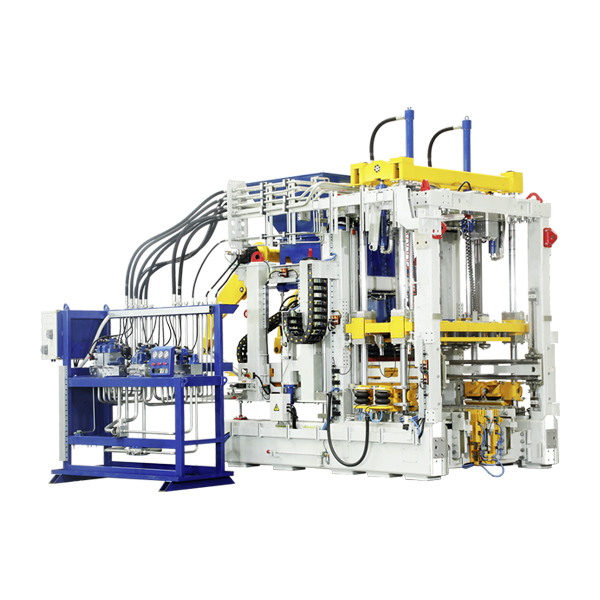
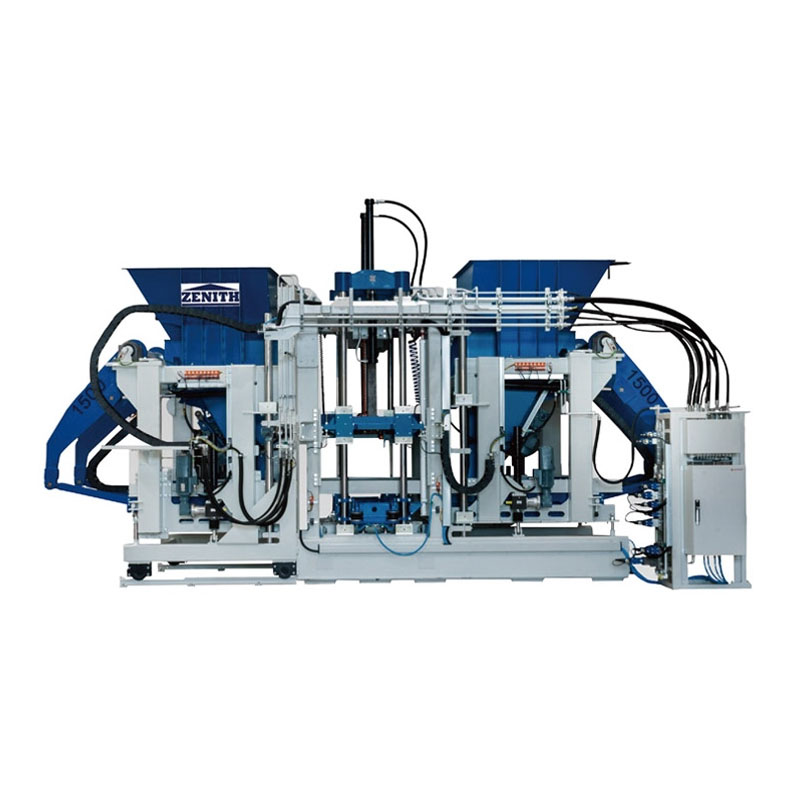
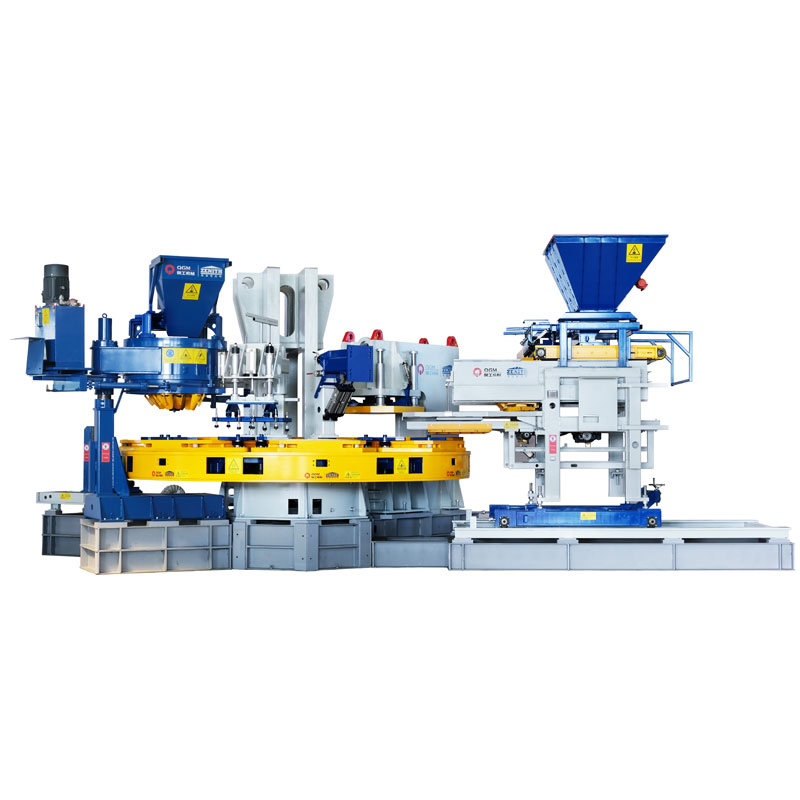
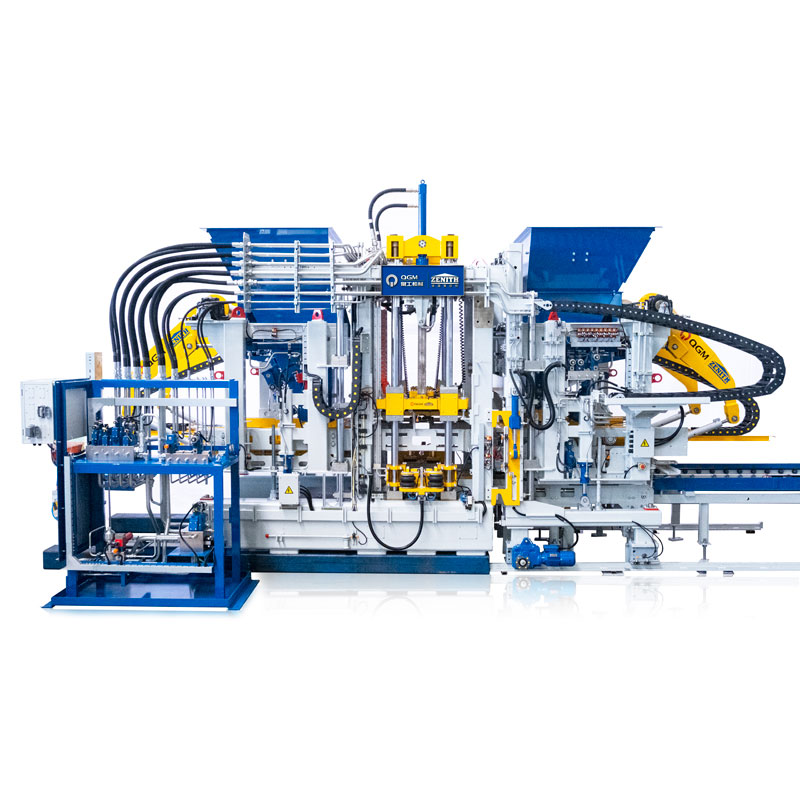
Germany Zenith Block MachineThe core functions of the servo system in the Germany Zenith Block Machine are threefold: first, it provides on-demand hydraulic flow, meaning that the pump only delivers oil when and where it is needed, reducing energy waste. Second, it enables ultra-precise control of vibration frequency and amplitude, allowing the machine to adapt to different concrete mixes and block geometries instantly. Third, it facilitates smooth, jerk-free motion for the pressing and ejecting cylinders, extending the life of molds and reducing mechanical shock. These capabilities directly translate to more consistent block quality, lower operating costs, and higher production efficiency. In this article, we will delve into the technical architecture of the servo system, explain its impact on key production parameters, and provide detailed specifications and operational insights from our factory's extensive experience with the Germany Zenith Block Machine.


Table of Contents


Why Does the Servo System Replace Traditional Hydraulic Control in Germany Zenith Block Machine?

Traditional block machines use induction motors with fixed-speed drives coupled to constant-displacement hydraulic pumps. In these systems, the pump runs continuously at full speed regardless of actual demand, and excess oil is diverted back to the tank through a relief valve, wasting significant energy and generating heat. Moreover, control valves are used to direct oil flow, but the response time and precision are limited, leading to variations in pressing force and vibration intensity from cycle to cycle. The Germany Zenith Block Machine eliminates these inefficiencies through a servo system that combines a permanent-magnet servo motor with a variable-displacement axial piston pump. This combination allows the machine to deliver exactly the flow and pressure required for each phase of the block-forming cycle—feeding, pre-compaction, main pressing, and ejection—without any wasteful bypass.

Key reasons why the servo system is superior to traditional hydraulic control:

  • On-demand energy delivery: The servo motor’s speed is directly proportional to the flow demand. During the idle periods (e.g., pallet changeover), the motor slows down to near-zero speed, consuming less than 5 percent of full power. In contrast, a traditional motor consumes 80-100 percent of its rated power continuously.
  • Instantaneous pressure control: The servo system uses a closed-loop pressure transducer that compares actual pressure to the target setpoint and adjusts the servo motor speed and swashplate angle in milliseconds. This results in pressure regulation accuracy of +/- 1 bar, compared to +/- 5 bar for conventional valve control.
  • Reduced heat generation: Since the servo system generates only the oil flow that is needed, hydraulic oil temperature rises much more slowly. This reduces the need for large cooling systems and extends the life of hydraulic fluid and seals.
  • Noise reduction: The servo motor operates at variable speeds, and the pump runs only when required, leading to a significant reduction in noise levels—typically 10-15 dBA lower than conventional machines. This creates a better working environment for operators.

Our factory has conducted comparative tests between a Germany Zenith Block Machine equipped with a servo system and an identical mechanical-hydraulic machine. The servo-equipped machine consumed 12.8 kWh per hour of operation, while the conventional machine consumed 21.3 kWh—a 40 percent reduction. Over a 16-hour shift, this translates to a saving of 136 kWh, which at industrial electricity rates (USD 0.12/kWh) results in daily savings of over USD 16. Over a year (300 operating days), the energy savings alone exceed USD 4,800, which is a significant portion of the machine’s operational cost. In addition, the servo system's precision reduces reject rates; the servo machine produced 99.2 percent first-pass quality blocks, while the conventional machine averaged 94.7 percent. This reduction in waste further enhances the economic case for servo technology.

Furthermore, the servo system simplifies the hydraulic circuit by eliminating many of the directional valves, pressure relief valves, and flow control valves used in traditional systems. This reduction in component count improves reliability and simplifies maintenance. Our factory at Quangong Machinery Co., Ltd has trained our service engineers to diagnose servo system issues using the integrated diagnostics software, which displays real-time performance data and fault codes. This enables rapid troubleshooting and minimizes downtime. For block manufacturers, the shift from traditional hydraulic control to the servo system in the Germany Zenith Block Machine represents not just a technological upgrade but a fundamental improvement in production economics.


How Does the Servo System Enable Precision Vibration and Compaction Control?

Vibration and compaction are the most critical operations in block making, as they directly determine the density, strength, and surface quality of the final product. The Germany Zenith Block Machine's servo system plays a central role in controlling these parameters with exceptional precision. The servo motor drives the eccentric weight vibrator directly, without the need for belts or clutches, and the servo drive provides a torque response time of less than 5 milliseconds. This allows the machine to change vibration frequency and amplitude instantaneously during a single cycle, enabling a multi-stage compaction profile that optimizes particle settlement. For example, the machine can start with a high-frequency/low-amplitude vibration to achieve initial particle movement, then switch to a low-frequency/high-amplitude vibration to consolidate the mix, and finish with a high-frequency/high-amplitude burst to achieve final densification.

Specific ways the servo system enhances vibration and compaction control:

  • Programmable vibration curves: The servo system allows up to 100 different vibration curves to be stored in the PLC. Each curve specifies the frequency, amplitude, and duration of vibration for each stage of the cycle. For a given block type (e.g., hollow block, solid block, or paver), the machine can recall the optimized curve automatically, ensuring consistency across batches.
  • Adaptive compaction: The servo system monitors the hydraulic pressure in the pressing cylinder in real time. If the pressure rises faster than expected (indicating a stiffer mix), the system can increase vibration amplitude to aid compaction. Conversely, if the pressure rises too slowly, it can reduce vibration to prevent over-compaction. This adaptive control ensures that each block achieves the target density, regardless of minor variations in raw material properties.
  • Smooth acceleration and deceleration: The servo motor’s precise speed control eliminates the jerky starts and stops typical of mechanical clutches. This results in a more uniform compaction of the concrete mix, reducing the likelihood of internal cracks or weak zones within the block.
  • Real-time density feedback: An optional density sensor can be integrated with the servo system. The sensor measures the green density of each block immediately after forming. If the density deviates from the setpoint, the servo system automatically adjusts the vibration and pressing parameters for the next cycle, maintaining quality without human intervention.

To illustrate the impact of servo-controlled vibration, consider the production of a 400x200x200mm hollow block. With a fixed-frequency vibrator, the density variation among 100 blocks was measured at +/- 0.04 g/cm3. With the servo-controlled vibration on the Germany Zenith Block Machine, the variation was reduced to +/- 0.008 g/cm3. This tighter density control directly correlates to lower variability in compressive strength, which is a key quality indicator for construction materials. A block plant in Spain using our Germany Zenith Block Machine with servo system reported that they were able to reduce cement content by 5 percent while maintaining the same block strength, saving over EUR 30,000 annually on raw materials.

Another important aspect is the ability to optimize vibration for different aggregate types. For example, lightweight aggregates (expanded clay or pumice) require different vibration parameters than dense crushed stone. The servo system enables the machine to store specific recipes for each aggregate type, so when the plant switches from one product to another, the machine automatically adjusts. This flexibility allows the Germany Zenith Block Machine to serve as a versatile production line, capable of manufacturing a wide range of block products with consistent quality, without requiring lengthy changeover procedures.


What Are the Technical Specifications of the Servo System in Germany Zenith Block Machine?

Quangong Machinery Co., Ltd offers the Germany Zenith Block Machine with a comprehensive servo system that includes the servo motor, servo drive, variable-displacement pump, pressure sensors, and the motion controller. The system is designed for continuous 24/7 operation and is compatible with all standard industrial power supplies (380V/50Hz or 460V/60Hz). The table below provides the key specifications for the servo system across our three main Germany Zenith Block Machine models. These specifications have been validated through extensive field testing and are guaranteed for the machine's warranty period.

Parameter Zenith 6S Zenith 9S Zenith 15S
Servo motor power (kW) 37 kW 55 kW 75 kW
Servo drive type Permanent magnet synchronous Permanent magnet synchronous Permanent magnet synchronous
Maximum hydraulic pressure (bar) 210 bar 250 bar 280 bar
Flow control accuracy (percent) +/- 1 percent +/- 1 percent +/- 1 percent
Pressure control accuracy (bar) +/- 1 bar +/- 1 bar +/- 1 bar
Vibration frequency range (rpm) 3,000 - 7,500 rpm 3,000 - 7,500 rpm 3,000 - 7,800 rpm
Vibration amplitude (mm) 0.5 - 2.5 mm 0.5 - 2.5 mm 0.5 - 3.0 mm
Position feedback resolution (mm) 0.01 mm 0.01 mm 0.01 mm
Communication protocol EtherNet/IP, Profibus EtherNet/IP, Profibus EtherNet/IP, Profibus
Energy saving (vs. fixed-speed) 40 percent 38 percent 42 percent

In addition to these core specifications, the servo system in the Germany Zenith Block Machine offers several advanced features: a high-speed digital interface for integration with plant SCADA systems; a built-in oscilloscope function for troubleshooting vibration profiles; and a remote monitoring capability via GSM modem. Our factory provides a complete wiring diagram and a commissioning checklist for every Germany Zenith Block Machine, and we recommend a 2-day on-site training session for plant operators to fully utilize the servo system's capabilities.

All servo components are sourced from Tier-1 suppliers (Yaskawa, Bosch Rexroth, or Siemens), ensuring reliability and global availability of spare parts. The servo system is protected by multiple safety features, including over-temperature protection, over-current protection, and emergency stop functions that comply with ISO 13849. Our factory tests each servo system for 100 hours at maximum load to verify its stability and performance before shipment. With this robust servo system, the Germany Zenith Block Machine delivers not only superior block quality but also long-term operational reliability.


How Can the Servo System Reduce Energy Consumption and Maintenance Costs?

The economic benefits of the servo system in the Germany Zenith Block Machine extend beyond energy savings. By optimizing the hydraulic system, reducing waste, and extending component life, the servo system significantly lowers the total cost of ownership. One of the most notable advantages is the reduction in hydraulic oil temperature. Traditional fixed-speed pumps generate a large amount of heat because they continuously circulate oil through a relief valve. This heat degrades the hydraulic fluid, requiring more frequent oil changes and causing seals to harden and leak. The servo system, by contrast, generates only the flow needed, keeping oil temperatures consistently below 50°C, even during peak production. This extends oil life from 1,000 hours to 4,000 hours, and also extends the life of seals, hoses, and pump components.

Specific maintenance and energy benefits of the servo system:

  • Reduced oil change frequency: With lower operating temperatures and reduced contamination, the hydraulic oil in the Germany Zenith Block Machine can be changed every 4,000 operating hours, compared to 1,500 hours for conventional machines. This saves both the cost of oil and the labor for oil changes.
  • Longer component life: The servo motor has fewer moving parts than a fixed-speed motor with a clutch and brake. The variable pump has a lower wear rate because it operates at reduced speeds and pressures for most of the cycle. Our factory has observed that servo-equipped machines require 60 percent fewer hydraulic component replacements over a 10-year period.
  • Reduced cooling energy: Since the servo system generates much less heat, the cooling fan (or chiller) runs less frequently. In tropical climates, this can reduce cooling energy consumption by up to 30 percent, further lowering the plant's overall energy footprint.
  • Lower noise, lower wear: The absence of constant-speed motor noise and the smooth acceleration/deceleration reduce mechanical stress on the machine frame and vibration mounts. This extends the life of these structural components and reduces the frequency of vibration mount replacement.

A practical example comes from a Germany Zenith Block Machine user in India, where ambient temperatures often exceed 40°C. Before installing the servo system, the hydraulic oil temperature reached 75°C within 4 hours of operation, requiring an external oil cooler and a weekly oil change. After upgrading to the servo system, the oil temperature stabilized at 48°C, and the oil change interval increased to 3 months. The plant owner reported annual savings of over USD 5,000 in oil and cooling costs, in addition to a 39 percent reduction in electricity consumption. Furthermore, the servo system's self-diagnostics detected a slight drift in the pressure sensor early on, allowing the maintenance team to recalibrate it during a scheduled downtime, avoiding a costly unplanned breakdown.

In terms of the environmental impact, the energy savings from the servo system translate directly to lower carbon emissions. For a Germany Zenith Block Machine operating 16 hours per day, 300 days per year, the annual energy reduction is approximately 40,800 kWh. Assuming a grid emission factor of 0.5 kg CO2 per kWh, this equates to a reduction of 20.4 metric tons of CO2 per year. For block manufacturers, this is not only good for the environment but also a strong selling point when bidding for green building projects. Our factory at QGM can provide a detailed energy saving certificate for each Germany Zenith Block Machine delivered, which can be used for LEED or BREEAM certification purposes.


Frequently Asked Questions (FAQ)

Question 1: Does the servo system in the Germany Zenith Block Machine require specialized maintenance?

Answer: The servo system is designed for low maintenance. Routine maintenance includes checking the cooling fan filter, verifying the servo drive's LED status, and monitoring the hydraulic oil level and quality. The servo motor itself is brushless, so there are no brushes to replace. Our factory provides a diagnostic software that can test the servo system's performance without needing to disassemble it. We recommend a semi-annual check by a trained technician to inspect cable connections and verify that the pressure and position feedback signals are within calibration. The servo system's advanced self-diagnostics will alert you to any impending issues, making maintenance proactive rather than reactive.

Question 2: How does the servo system improve block quality compared to a conventional hydraulic system?

Answer: The servo system enables precise control of both vibration and pressing parameters. With conventional systems, pressure and vibration are subject to fluctuations due to valve hysteresis and pump pulsations. The servo system's closed-loop control maintains the set parameters with very high accuracy, ensuring that each block receives exactly the same compaction force and vibration energy. This results in uniform density, more consistent dimensions (within +/- 0.3 mm), and a smoother surface finish. Our factory has measured the coefficient of variation in compressive strength for blocks produced by the Germany Zenith Block Machine's servo system at just 4 percent, compared to 12 percent for conventional machines.

Question 3: Can the servo system be retrofitted to an existing block machine?

Answer: In many cases, yes. Our factory offers a retrofit kit that includes the servo motor, servo drive, variable pump, pressure sensors, and a new PLC. The kit is designed to be compatible with most major block machine brands and models. The retrofit process typically takes 3-5 days on site and includes a complete system calibration. While the cost of the retrofit is significant, the energy savings and quality improvements typically provide a payback period of 12-18 months. We also offer a trade-in program for older machines. Our engineering team can perform a site assessment to determine the feasibility and cost of a retrofit for your specific machine.

Question 4: What happens to the servo system during a power fluctuation or interruption?

Answer: The servo system is equipped with a DC bus capacitor bank that provides a hold-up time of approximately 500 milliseconds in the event of a power sag. This allows the system to complete the current cycle and park the machine in a safe position before shutting down. For longer power interruptions, the servo drive automatically performs a controlled deceleration to stop the motor and pump, preventing hydraulic shock. Our factory recommends installing a voltage stabilizer or an uninterruptible power supply (UPS) for the servo controller if your plant is in an area with frequent voltage fluctuations. The servo system's firmware also includes auto-restart functionality, so when power is restored, the machine can resume operation from the point of interruption.

Question 5: Can the servo system integrate with a factory automation network?

Answer: Yes, the servo system in the Germany Zenith Block Machine supports standard industrial Ethernet protocols, including EtherNet/IP, Profinet, and Modbus TCP. This allows the machine to be integrated with a Plant Management System (PMS) or a Manufacturing Execution System (MES). Data such as cycle counts, energy consumption, and quality parameters can be transmitted to a central database for analysis. Our factory provides a sample OPC UA server interface for seamless integration. For customers who require advanced data analytics, we offer a cloud-based dashboard that provides real-time machine status and performance trends, accessible from any web-enabled device.


Conclusion: Unleash Precision and Efficiency with Servo-Controlled Germany Zenith Block Machine

The servo system is the engine of innovation in the Germany Zenith Block Machine, delivering unprecedented levels of precision, energy efficiency, and production reliability. By replacing conventional hydraulic controls with a closed-loop servo system, the machine achieves tighter quality control, lower operating costs, and greater flexibility in production. Whether you are producing hollow blocks, pavers, or specialty concrete products, the Germany Zenith Block Machine's servo system ensures that each block meets the highest standards of density, dimensional accuracy, and surface quality. At Quangong Machinery Co., Ltd, our factory has integrated the latest servo technology into our block machine manufacturing, and we have seen first-hand how it transforms production economics.

Ready to upgrade your block production with servo technology? Contact Quangong Machinery Co., Ltd today for a detailed performance analysis. Our engineering team will assess your current production needs and provide a tailored proposal for the Germany Zenith Block Machine equipped with the optimal servo system configuration. We offer a free demonstration at our factory, and a comprehensive training package to ensure your team can fully leverage the servo system's capabilities. Request your consultation now from Quangong Machinery Co., Ltd and discover how the Germany Zenith Block Machine with servo system can elevate your block quality, reduce your energy costs, and boost your production efficiency.

Related News
Leave me a message
X
We use cookies to offer you a better browsing experience, analyze site traffic and personalize content. By using this site, you agree to our use of cookies.Privacy Policy
RejectAccept