Quangong Machinery Co., Ltd.
News

How Does Auxiliary Brick Machinery Improve Production Efficiency in Modern Brick Plants?

2026-01-20 0 Leave me a message

Introduction

In today’s highly competitive construction materials industry, brick manufacturers face constant pressure to increase output, reduce operating costs, and maintain consistent product quality. Modern brick plants are no longer driven solely by core forming machines. Instead, overall efficiency increasingly depends on how well supporting systems are designed and integrated. This is where Auxiliary Brick Machinery plays a decisive role.


At Quangong Machinery Co., Ltd., we have witnessed how properly configured auxiliary systems can transform traditional brick production lines into highly efficient, automated, and scalable operations. By optimizing material handling, curing, stacking, and packaging processes, our solutions help plants achieve stable long term productivity while reducing labor dependency and downtime. Drawing on decades of experience and practical engineering knowledge from our factory, this article explores how Auxiliary Brick Machinery improves production efficiency in modern brick plants from both technical and operational perspectives.


products


Table of Contents


What Is Auxiliary Brick Machinery and Why Is It Essential in Modern Brick Plants?

Auxiliary Brick Machinery refers to all supporting equipment that complements the main brick forming machines in a production line. While the primary press or extrusion unit shapes the bricks, auxiliary systems ensure smooth, efficient, and continuous movement of materials, green bricks, and finished products throughout the plant. Without these supporting systems, even the most advanced brick presses cannot achieve their maximum capacity or maintain consistent quality. At Quangong Machinery Co., Ltd., our experience shows that well-integrated auxiliary equipment is a cornerstone of modern brick plant efficiency.


Key Functions of Auxiliary Brick Machinery

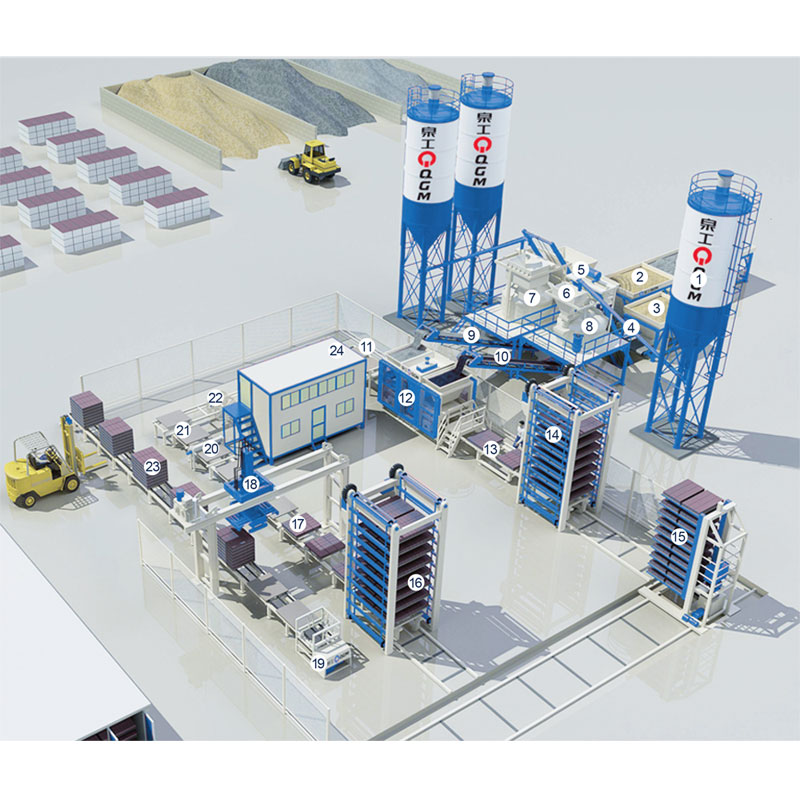
Auxiliary systems perform multiple functions across the production line. Each function is designed to minimize manual handling, reduce production bottlenecks, and ensure high-quality output. Below is a detailed overview:

  • Raw Material Handling: Automated feeders, hoppers, and conveyors ensure consistent and accurate supply of raw materials to the main press.
  • Green Brick Transport: Pallet conveyors and turning devices prevent deformation and surface defects by carefully moving newly formed bricks.
  • Stacking and Destacking: Automatic stackers and destackers optimize storage, reducing manual labor and minimizing stacking errors.
  • Curing Room Management: Transfer systems and automated trolleys move bricks efficiently through curing rooms, ensuring uniform drying and hardening.
  • Packaging and Palletizing: Auxiliary packaging systems organize finished bricks into standardized pallets for storage and transport, improving logistics efficiency.


How Auxiliary Brick Machinery Enhances Workflow

The primary goal of Auxiliary Brick Machinery is to create a seamless workflow that maximizes the output of the main forming equipment. In modern brick plants, efficiency is measured not only by press speed but by the uninterrupted flow of materials across multiple stages. Our factory experience at Quangong Machinery Co., Ltd. demonstrates that plants with integrated auxiliary systems experience fewer delays, reduced waste, and higher utilization rates.


Auxiliary System Main Function Impact on Production
Raw Material Feeders Continuous supply of aggregates and additives Reduces stoppages and ensures uniform brick quality
Pallet Conveyors Safe transport of green bricks Minimizes deformation and handling damage
Automatic Stackers Efficient stacking and destacking of bricks Reduces labor costs and stacking errors
Curing Room Trolleys Automated movement through curing chambers Ensures uniform curing and faster cycle times
Packaging Units Palletizing and arranging finished bricks Improves transport efficiency and reduces packaging errors

Benefits of Integrating Auxiliary Brick Machinery

Investing in Auxiliary Brick Machinery offers multiple benefits for modern brick plants. At Quangong Machinery Co., Ltd., we design our systems to optimize efficiency, reduce operational risks, and enhance plant scalability. Key benefits include:

  • Increased Production Capacity: Continuous material flow allows main presses to operate at full potential without interruptions.
  • Labor Optimization: Automation reduces manual intervention, lowering labor costs and minimizing fatigue-related errors.
  • Enhanced Product Quality: Controlled handling prevents deformation and surface defects, ensuring consistent brick dimensions and strength.
  • Reduced Downtime: Coordinated auxiliary systems prevent bottlenecks and enable quick troubleshooting of minor disruptions.
  • Scalability and Flexibility: Modular auxiliary equipment allows plants to expand production capacity without major infrastructure changes.
  • Safety Improvements: Automated systems reduce manual handling risks, contributing to a safer working environment.


Application Examples

At Quangong Machinery Co., Ltd., our factory has implemented Auxiliary Brick Machinery solutions in various plants. For example:

  • A plant using automated pallet conveyors reduced green brick breakage by 30% and increased press uptime by 15%.
  • Installation of automatic stackers and destackers cut labor costs by 20% while ensuring uniform pallet stacking.
  • Integration of curing room trolleys accelerated curing cycles, allowing the plant to increase daily output without adding new presses.


These examples demonstrate that well-designed Auxiliary Brick Machinery is not just a support system but a strategic investment that directly influences productivity, product quality, and operational stability. By combining precise engineering with practical factory experience, Quangong Machinery Co., Ltd. ensures that every auxiliary component enhances overall production efficiency.


In conclusion, Auxiliary Brick Machinery is essential for modern brick plants because it creates a smooth, automated, and high-capacity workflow. At Quangong Machinery Co., Ltd., we leverage our factory expertise to deliver systems that optimize material handling, improve product quality, reduce labor dependence, and support scalable production growth.


How Does Auxiliary Brick Machinery Optimize Material Handling and Workflow?

Material handling is one of the most critical factors affecting production efficiency in modern brick plants. Delays or inconsistencies in moving raw materials, green bricks, or finished products can create bottlenecks that reduce overall output and increase operational costs. Auxiliary Brick Machinery is designed specifically to optimize these processes, ensuring smooth, reliable, and continuous workflow. At Zenith, our factory experience shows that plants integrating well-engineered auxiliary systems achieve higher production efficiency and more predictable output.


Optimizing Raw Material Supply

The first step in efficient brick production is precise and continuous raw material feeding. Auxiliary Brick Machinery such as automated hoppers, feeders, and batching systems ensures the correct amount of aggregates, clay, cement, and additives reach the forming machines without interruption. Proper material handling reduces waste, prevents mix inconsistency, and minimizes downtime due to shortages.

  • Automatic feeders control the flow rate based on press capacity
  • Batching systems ensure accurate proportioning of raw materials
  • Conveyors transport heavy materials efficiently and safely
  • Integrated sensors monitor feed levels to prevent production stoppages


Efficient Transfer of Green Bricks

Once bricks are formed, they must be moved carefully to prevent deformation and surface defects. Auxiliary systems such as pallet conveyors, turning devices, and alignment units handle this critical stage. At Quangong Machinery Co., Ltd., we design these systems to match the exact dimensions and weight of green bricks produced in our factory, ensuring minimal handling stress.

  • Pallet conveyors maintain continuous movement without manual lifting
  • Turning devices align bricks for stacking or curing
  • Automated alignment ensures uniform positioning, reducing breakage during transport
  • Integrated safety mechanisms protect equipment and operators


Streamlining Curing Room Operations

The curing stage is essential for achieving proper brick strength. Auxiliary Brick Machinery such as transfer trolleys and automated tracks ensures green bricks enter and exit curing rooms on schedule, maintaining consistent curing cycles. Plants that implement automated curing logistics often experience faster production cycles and uniform product quality.


Auxiliary System Main Function Production Benefit
Transfer Trolleys Move green bricks into curing rooms Ensures consistent curing times and faster cycles
Automated Tracks Guide trolleys along precise paths Reduces bottlenecks and prevents collisions
Pallet Alignment Units Adjust brick positioning for stacking or curing Minimizes deformation and handling errors

Enhancing Overall Workflow

Auxiliary Brick Machinery creates a synchronized workflow where each process stage complements the others. Properly integrated systems reduce idle times, improve plant utilization, and ensure that each machine operates at its designed capacity. Our factory experience at Quangong Machinery Co., Ltd. demonstrates that plants with optimized material handling and workflow can achieve higher daily output without adding new core machinery.

  • Continuous and controlled movement of materials across all stages
  • Reduced risk of human error through automation
  • Stable production rhythm that matches main press capacity
  • Lower energy consumption due to optimized equipment paths
  • Improved safety by minimizing manual handling and lifting


In summary, Auxiliary Brick Machinery plays a pivotal role in modern brick plants by optimizing material handling and workflow. From precise raw material feeding to careful green brick transfer and streamlined curing logistics, each auxiliary system contributes to higher efficiency, reduced labor dependency, and improved product quality. At Quangong Machinery Co., Ltd., our factory-tested solutions ensure that every stage of production operates smoothly, helping brick plants maximize capacity and maintain consistent performance.


Why Does Automation Through Auxiliary Brick Machinery Reduce Costs and Errors?

Automation is a central factor in improving efficiency and reducing operational costs in modern brick plants. Manual processes, including stacking, transferring, and packaging, are not only labor-intensive but prone to human error, inconsistent handling, and variable product quality. Auxiliary Brick Machinery enables plants to automate these critical tasks, ensuring consistent workflow, reducing mistakes, and lowering overall operational costs. At Quangong Machinery Co., Ltd., our factory experience has shown that integrating automation into brick production lines delivers measurable efficiency improvements and long-term savings.


Reducing Labor Costs

Manual labor in brick production often requires multiple workers for tasks such as stacking, destacking, and moving green or cured bricks. Auxiliary Brick Machinery automates these operations, reducing labor dependency while maintaining production output. Our factory solutions at Quangong Machinery Co., Ltd. focus on designing equipment that performs repetitive tasks accurately and continuously, allowing plants to operate with fewer personnel without compromising quality.

  • Automated stackers reduce the number of workers required for handling bricks
  • Conveyor systems and pallet transfer devices eliminate manual lifting
  • Labor can be reassigned to monitoring, maintenance, or quality control
  • Predictable workflows minimize overtime costs


Minimizing Operational Errors

Human errors in brick handling can cause misalignment, deformation, or even breakage of green bricks. Automated auxiliary systems, including alignment units, turning devices, and programmable conveyors, significantly reduce such errors. At Quangong Machinery Co., Ltd., we design our machinery to maintain precise positioning and consistent movement speeds, ensuring uniform handling and stacking.

  • Automatic alignment reduces stacking errors and pallet misplacement
  • Controlled transfer prevents collisions and damage
  • Sensors and PLC-based control monitor real-time performance and correct deviations
  • Consistent handling improves overall brick quality


Enhancing Workflow Stability and Efficiency

Automation also enhances overall workflow stability by synchronizing auxiliary operations with the main forming machines. By maintaining continuous material movement, automated systems prevent production stoppages and optimize press utilization. At Quangong Machinery Co., Ltd., our factory-tested auxiliary solutions are designed to match the capacity and cycle time of each plant, ensuring that every process stage operates smoothly and efficiently.


Automation Component Main Function Efficiency Benefit
Automatic Stackers Stack green or cured bricks on pallets Reduces manual labor and prevents stacking errors
Conveyor Systems Transport bricks between production stages Maintains continuous workflow and reduces downtime
Alignment Units Precisely position bricks on pallets Minimizes deformation and handling mistakes
PLC-Controlled Equipment Monitor and adjust operations in real-time Ensures consistent performance and reduces errors

Long-Term Cost Savings

The combination of reduced labor costs, fewer errors, and improved workflow stability translates into significant long-term savings. Automation extends the lifespan of both auxiliary and main machinery by preventing overloading or improper handling. At Quangong Machinery Co., Ltd., our factory-tested solutions provide plants with reliable equipment that lowers maintenance costs and increases operational uptime.

  • Minimized brick damage reduces rework and scrap costs
  • Reduced labor dependency lowers ongoing personnel expenses
  • Stable, automated workflow prevents production delays and downtime
  • Optimized equipment operation extends machine service life


In conclusion, automation through Auxiliary Brick Machinery is crucial for modern brick plants seeking to reduce costs and minimize errors. By integrating stackers, conveyors, alignment units, and PLC-controlled systems, plants can achieve continuous, precise, and efficient production. Quangong Machinery Co., Ltd. leverages our factory expertise to deliver solutions that combine automation, reliability, and operational savings, helping brick manufacturers achieve sustainable growth and higher profitability.


How Do Technical Parameters of Auxiliary Brick Machinery Influence Production Efficiency?

Technical specifications determine whether Auxiliary Brick Machinery can truly support high efficiency production. Mismatched capacities, insufficient load ratings, or slow cycle times can negate potential gains. For this reason, selecting equipment based on accurate parameters is critical.


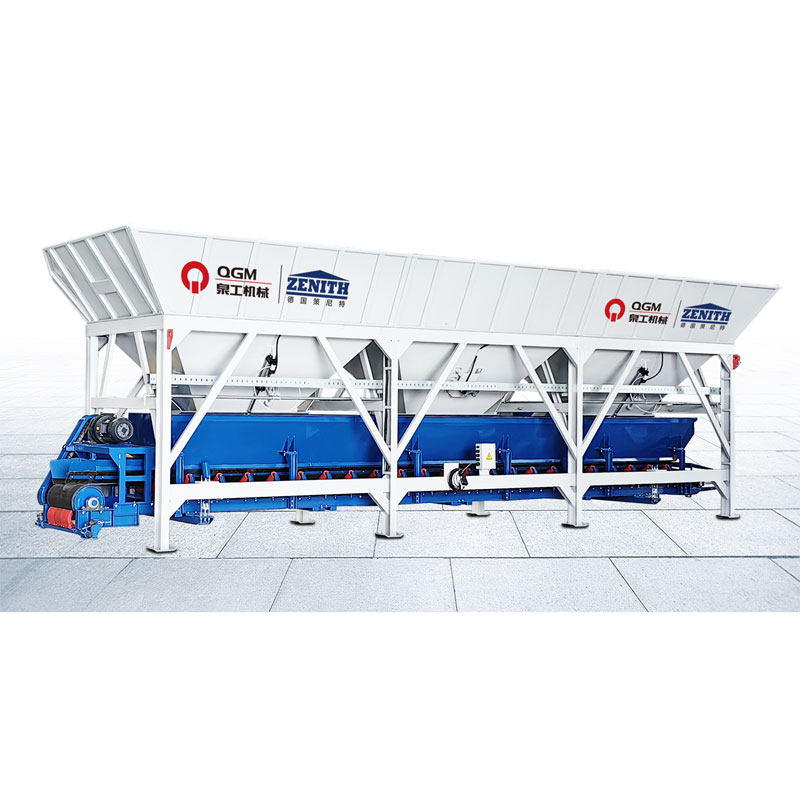
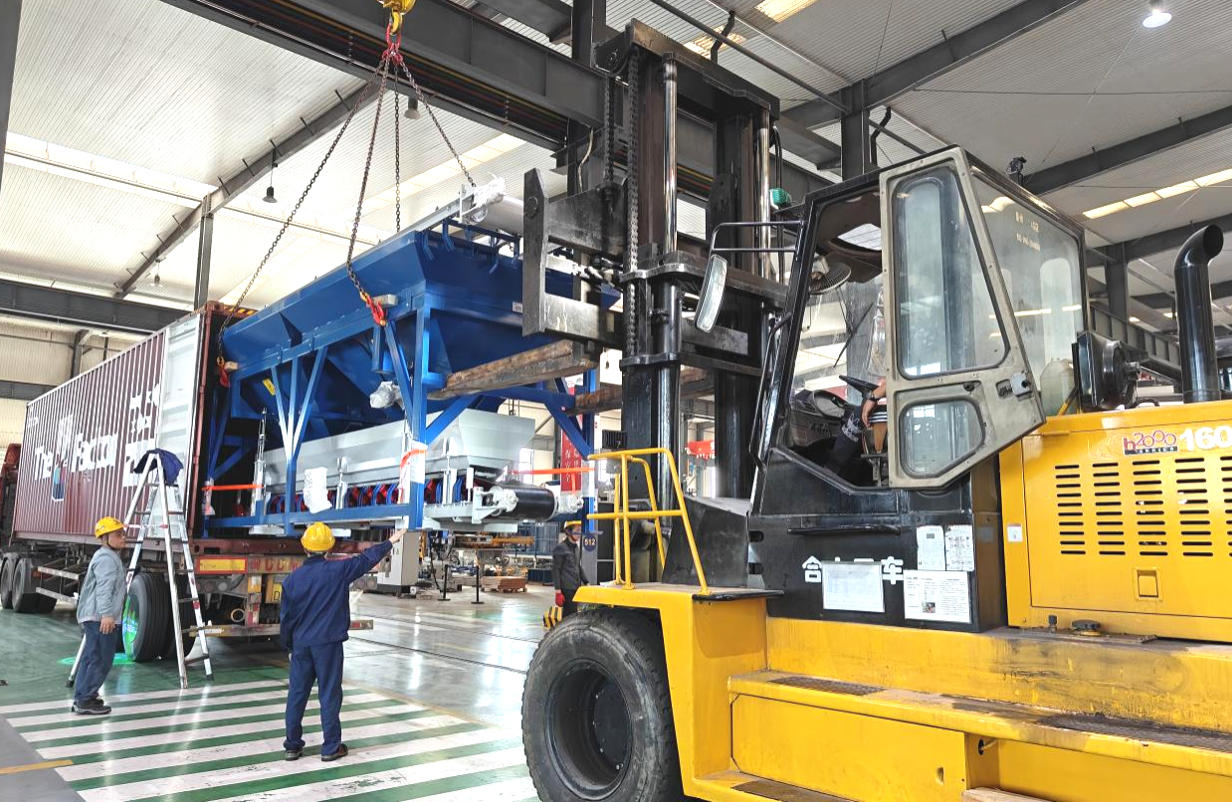
Brick Batching Machine


Below is an example of typical technical parameters used to evaluate Auxiliary Brick Machinery for modern brick plants.

Parameter Typical Range Efficiency Impact
Conveying Capacity 800 to 1500 pallets per hour Determines maximum line throughput
Stacking Speed 10 to 18 cycles per minute Affects downstream curing flow
Load Capacity 1000 to 2000 kg Ensures safe and stable handling
Control System PLC based automation Improves precision and repeatability


Beyond numerical values, design details such as frame rigidity, drive system quality, and sensor accuracy also influence performance. At Quangong Machinery Co., Ltd., every Auxiliary Brick Machinery unit is engineered and tested in our factory to ensure it meets real world operating conditions. Proper parameter matching ensures that auxiliary equipment complements rather than constrains the main production line. This holistic approach is essential for achieving sustainable efficiency improvements in modern brick plants.


Summary

Auxiliary Brick Machinery is no longer optional in modern brick plants. It is a fundamental component of efficient, automated, and scalable production systems. By optimizing material handling, reducing labor dependency, enabling automation, and ensuring precise technical alignment, auxiliary equipment significantly enhances overall plant performance.


Through decades of practical experience, Quangong Machinery Co., Ltd. has developed integrated auxiliary solutions that help manufacturers maximize output while maintaining quality and operational stability. Sourced and tested directly from our factory, these systems are designed to deliver long term value.


If you are planning to upgrade your production line or build a new plant, investing in well engineered Auxiliary Brick Machinery can be the key to achieving competitive advantage. Contact our team to explore customized solutions that align with your production goals and drive sustainable growth.


FAQ

Q1: How Does Auxiliary Brick Machinery Improve Production Efficiency in Modern Brick Plants?
It improves efficiency by automating material handling, reducing downtime between processes, and ensuring continuous workflow that matches the capacity of the main brick forming machines.

Q2: How Does Auxiliary Brick Machinery Reduce Labor Costs?
By replacing manual handling and stacking operations with automated systems, plants can operate with fewer workers while maintaining consistent output and quality.

Q3: How Does Auxiliary Brick Machinery Affect Product Quality?
Stable and controlled handling reduces damage to green bricks, ensures uniform curing, and minimizes defects caused by human error.

Q4: How Does Auxiliary Brick Machinery Support Production Scalability?
Modular auxiliary systems allow plants to increase capacity by upgrading specific sections without replacing the entire production line.

Q5: How Does Auxiliary Brick Machinery Contribute to Long Term Operational Stability?
Well designed auxiliary equipment reduces mechanical stress, improves process consistency, and extends the service life of both auxiliary and primary machinery.

Related News
Leave me a message
X
We use cookies to offer you a better browsing experience, analyze site traffic and personalize content. By using this site, you agree to our use of cookies. Privacy Policy
Reject Accept